Tagged: NFPA 660

Dust Hazard Analysis: Complete Guide to the DHA Process
Worker in protective gear inspecting machinery with dust in dramatic lighting.

Combustible dust hazard analysis requirements just hit your inbox with an 18-month deadline. You need DHA documentation that meets NFPA 660 standards, but nobody explained what that means or how to get it done. Key Takeaways: NFPA 660 Chapter 7 requires a DHA within 18 months of standard adoption for facilities with combustible dust A … Read more
OSHA Combustible Dust Standard: NEP Enforcement and the General Duty Clause

Workers in a factory with protective gear managing dust risks in an industrial setting.

The OSHA combustible dust standard doesn’t exist. OSHA writes thousands of citations each year using the General Duty Clause as a regulatory backdoor, creating enforcement without formal rulemaking. Key Takeaways: OSHA cites combustible dust violations under Section 5(a)(1) General Duty Clause, not a specific standard, with average penalties exceeding $15,000 per citation The National Emphasis … Read more

NFPA 660 Explained: What Changed and What Your Facility Must Do Now

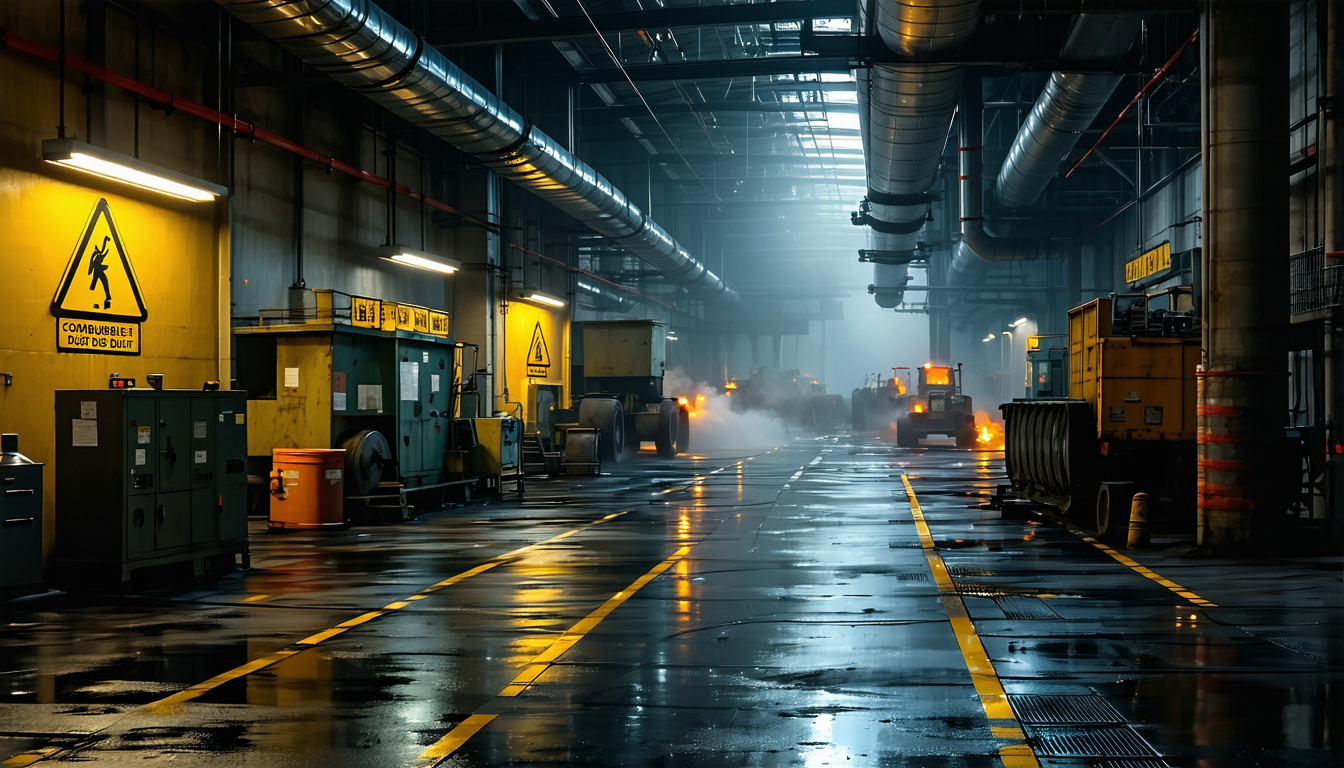
Industrial facility with safety signs, dramatic lighting, and volumetric fog.

NFPA 660 combustible dust standards replaced six separate regulations on December 31, 2024. This consolidation created a single compliance framework that forces thousands of facilities to update their documentation and understand new enforcement patterns. Key Takeaways: NFPA 660 consolidated NFPA 652, 654, 655, 656, 659, and 664 into one standard effective December 31, 2024 Existing … Read more

NFPA Combustible Dust Standards: Complete Regulatory Compliance Guide

Industrial facility with dramatic lighting, dust particles visible, highlighting NFPA 660 theme.

Combustible dust NFPA standards changed overnight when the December 2024 NFPA 660 consolidation made eight industry-specific standards obsolete. Facilities that followed NFPA 654, 484, or 655 for decades now face fresh compliance requirements under a unified framework. Key Takeaways: NFPA 660 replaced eight predecessor standards (652, 654, 664, 484, 655, 61, 120, 651) effective December … Read more

Is Your Dust Combustible? How to Determine Combustibility

Suspended dust particles in dim industrial light, creating a dramatic effect.

Is flour a combustible dust? Your insurance auditor just flagged flour dust in your facility, and you’re wondering if they’re right to be concerned. The answer determines your entire compliance strategy. Key Takeaways: Published data exists for 400+ materials, check NFPA 660 Annex C before paying for testing Organic materials under 420 microns are combustible … Read more

Types of Combustible Dust: Complete List by Industry and Material

Woodworking facility with airborne sawdust and dramatic lighting.

Combustible dust examples span over 280 distinct materials, but most EHS managers discover this only after their insurance audit identifies dusty operations as unaddressed risks. Understanding what is combustible dust and which specific materials create hazards is the foundation of effective combustible dust compliance. Key Takeaways: Wood dust Kst values range from 50-300 depending on … Read more

Combustible Dust Classification: Kst Values, Dust Classes, and Explosion Severity

Lab setup with a 20-liter sphere for dust explosion test, dramatic lighting.

Combustible dust classification determines whether your dust collector needs basic venting or a $150,000 explosion isolation system. Your sizing calculation depends on a number most EHS managers can’t find in their documentation, the Kst value that determines whether your material explodes like flour or aluminum powder. Key Takeaways: Kst values range from 0-300+ bar·m/s, with … Read more

Dust Explosion Pentagon: The 5 Elements Required for a Dust Explosion

Combustible particles and fire in a dramatic confined setting.

Combustible dust pentagon models show five specific conditions that create deadly explosions, unlike the fire triangle’s three elements. The fire triangle only explains three elements of combustion, but dust explosions need five specific conditions to kill workers. Key Takeaways: The dust explosion pentagon requires fuel, oxygen, ignition, dispersion, and confinement, two more elements than fire … Read more

What Is Combustible Dust: Definition, Classification, and Examples

Airborne dust particles in a warehouse with dramatic lighting, emphasizing explosion risk.

What is combustible dust becomes critically important when most EHS managers discover they’ve been working with it for years without knowing it, and the insurance auditor’s letter demanding NFPA 660 compliance is their first clue. Key Takeaways: Combustible dust includes any finely divided solid material with particles smaller than 500 microns that can create an … Read more

Combustible Dust Safety: The Complete Compliance Guide

Factory with dust particles in the air, dramatic lighting, tense atmosphere.

Combustible dust compliance just became your insurance company’s favorite audit topic. Your audit letter references NFPA 660, and you’ve got 90 days to prove compliance with standards most EHS managers have never heard of. Key Takeaways: NFPA 660 consolidated four separate dust standards in December 2024, requiring facilities to reassess which requirements apply to their … Read more