Tagged: combustible dust

Imperial Sugar Dust Explosion: What Happened and What It Changed
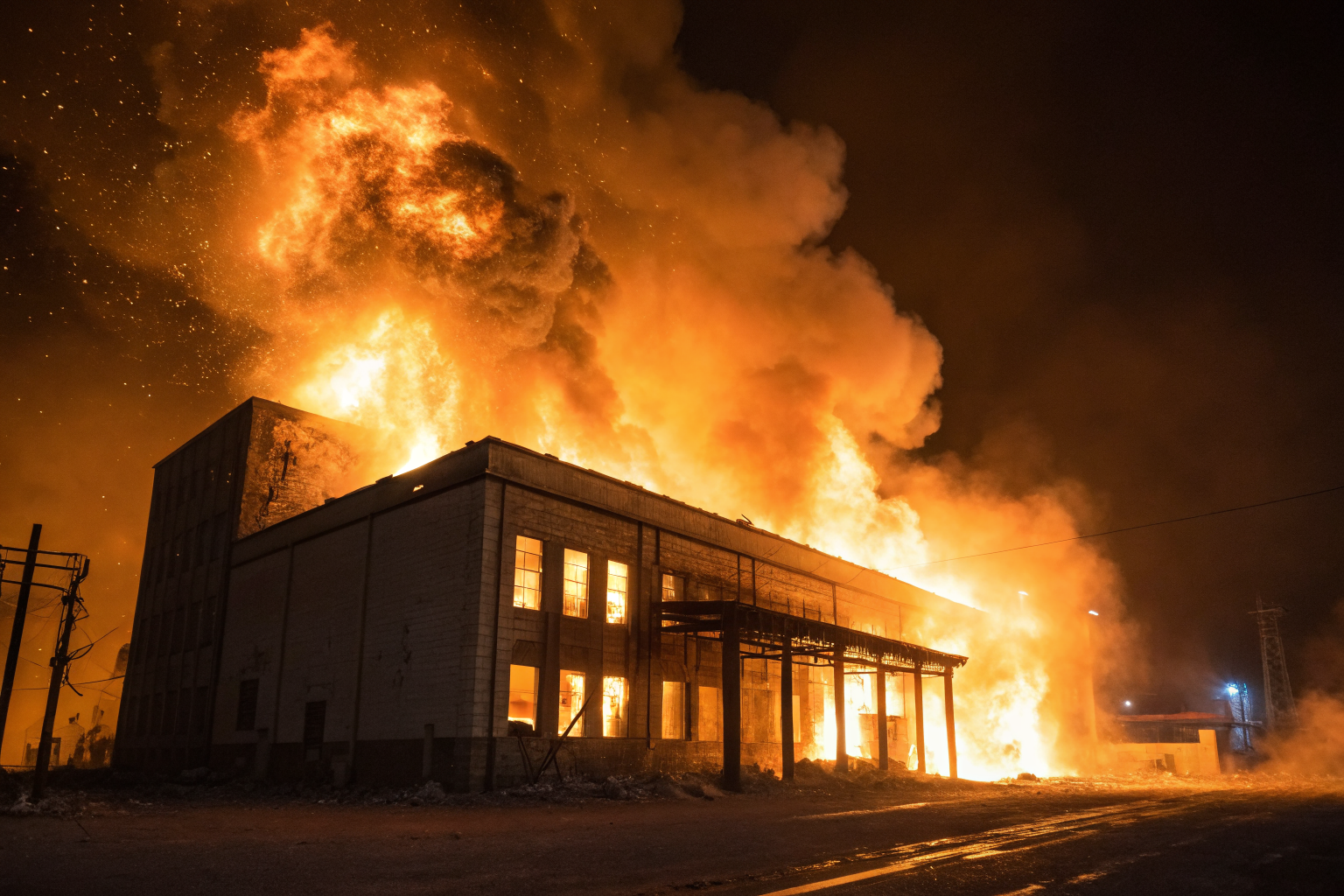
Sugar packaging building engulfed in fiery explosion at night.

The Imperial Sugar dust explosion on February 7, 2008 killed 14 workers and triggered the most comprehensive expansion of combustible dust enforcement in U.S. industrial history. This single incident reshaped how OSHA enforces dust explosion safety across American manufacturing. Key Takeaways: The primary explosion killed 7 workers instantly, but secondary explosions from accumulated dust throughout … Read more
Electrical Classification for Combustible Dust: Class II Locations Explained

Factory interior with swirling dust and dramatic lighting, creating a tense atmosphere.

Electrical classification combustible dust requirements turn that motor sparking inside your dust collector into code compliance instead of an ignition source. The National Electrical Code demands Class II location treatment wherever combustible dust creates explosion risk. Key Takeaways: Class II locations are the only electrical classification that applies to combustible dust facilities, Class I covers … Read more

Is Your Dust Combustible? How to Determine Combustibility

Suspended dust particles in dim industrial light, creating a dramatic effect.

Is flour a combustible dust? Your insurance auditor just flagged flour dust in your facility, and you’re wondering if they’re right to be concerned. The answer determines your entire compliance strategy. Key Takeaways: Published data exists for 400+ materials, check NFPA 660 Annex C before paying for testing Organic materials under 420 microns are combustible … Read more

Dust Explosion Pentagon: The 5 Elements Required for a Dust Explosion

Combustible particles and fire in a dramatic confined setting.

Combustible dust pentagon models show five specific conditions that create deadly explosions, unlike the fire triangle’s three elements. The fire triangle only explains three elements of combustion, but dust explosions need five specific conditions to kill workers. Key Takeaways: The dust explosion pentagon requires fuel, oxygen, ignition, dispersion, and confinement, two more elements than fire … Read more

What Is Combustible Dust: Definition, Classification, and Examples

Airborne dust particles in a warehouse with dramatic lighting, emphasizing explosion risk.

What is combustible dust becomes critically important when most EHS managers discover they’ve been working with it for years without knowing it, and the insurance auditor’s letter demanding NFPA 660 compliance is their first clue. Key Takeaways: Combustible dust includes any finely divided solid material with particles smaller than 500 microns that can create an … Read more

Combustible Dust Safety: The Complete Compliance Guide

Factory with dust particles in the air, dramatic lighting, tense atmosphere.

Combustible dust compliance just became your insurance company’s favorite audit topic. Your audit letter references NFPA 660, and you’ve got 90 days to prove compliance with standards most EHS managers have never heard of. Key Takeaways: NFPA 660 consolidated four separate dust standards in December 2024, requiring facilities to reassess which requirements apply to their … Read more