
Combustible dust examples span over 280 distinct materials, but most EHS managers discover this only after their insurance audit identifies dusty operations as unaddressed risks. Understanding what is combustible dust and which specific materials create hazards is the foundation of effective combustible dust compliance.
Key Takeaways:
- Wood dust Kst values range from 50-300 depending on species, with pine and oak generating St-1 to St-2 classifications
- Metal dusts including aluminum, magnesium, and titanium create St-2 and St-3 explosions with Kst values exceeding 200
- Food processing generates combustible dust from 47 common ingredients including sugar, flour, and cocoa with typical Kst values of 100-250
Which Industries Generate the Most Combustible Dust Types?

Manufacturing industries generate combustible dust hazards across six primary sectors, each with distinct material profiles and risk levels. Woodworking facilities account for 35% of reported dust explosions according to OSHA incident data, making them the highest-risk category for dust-related incidents.
NFPA 660 addresses these industrial sectors through specific chapters targeting their unique dust characteristics and processing methods. Each industry creates different particle sizes, moisture contents, and chemical compositions that drive varying explosion severities.
| Industry Sector | Common Dust Types | Typical Kst Range | NFPA 660 Chapter |
|---|---|---|---|
| Woodworking | Sawdust, sanding dust, wood flour | 50-300 | Chapter 9 |
| Food Processing | Flour, sugar, starch, spices | 100-250 | Chapter 12 |
| Metal Fabrication | Aluminum, iron, magnesium chips | 200-400 | Chapter 11 |
| Plastics Manufacturing | Polymer pellets, resin dust | 100-200 | Chapter 13 |
| Pharmaceutical | API powders, lactose, excipients | 120-180 | Chapter 14 |
| Chemical Processing | Organic chemicals, pesticides | 150-350 | Chapter 10 |
The chemical and pharmaceutical sectors show the widest variation in dust properties due to diverse molecular structures and processing methods. Facilities often handle multiple dust types simultaneously, requiring comprehensive hazard analysis across all materials present.
Wood Dust Types and Explosion Characteristics
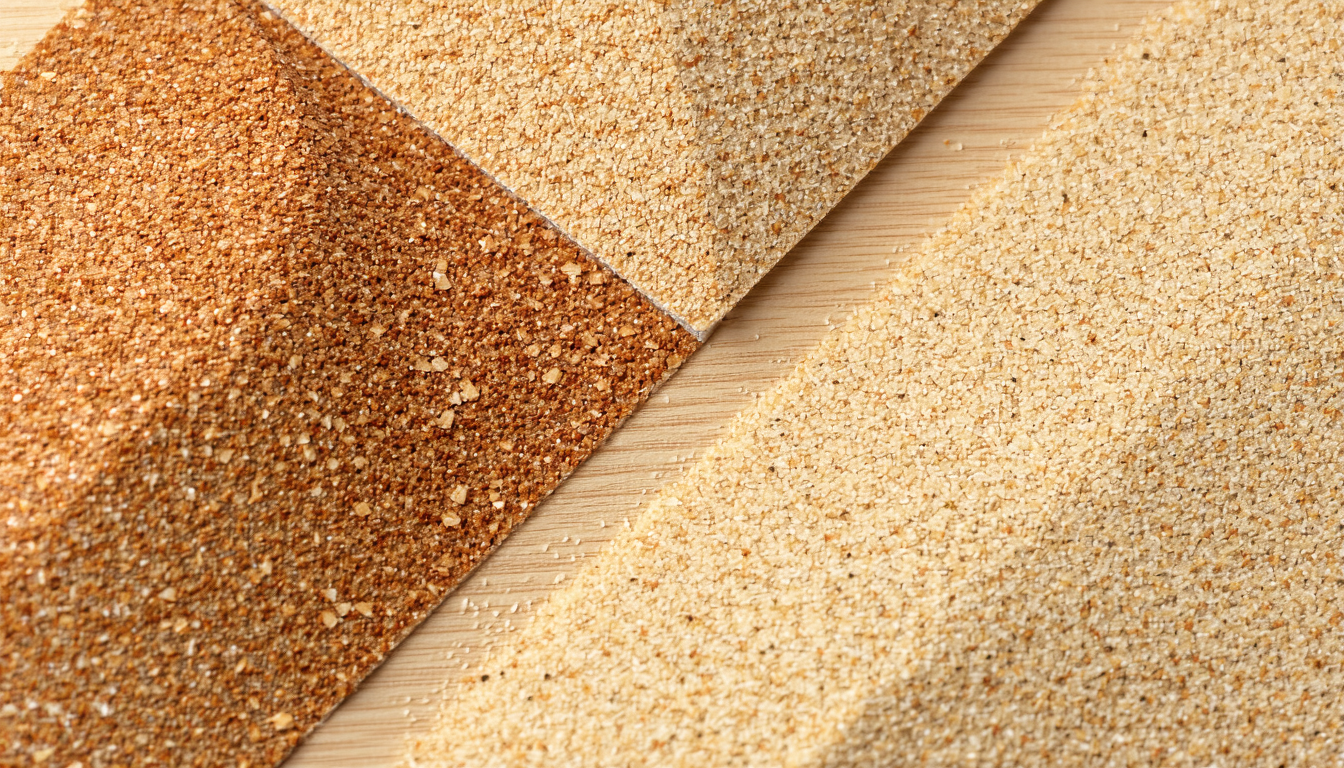
Wood species produce different Kst values based on density, resin content, and cellular structure. Pine sawdust has a typical Kst value of 120, while oak generates Kst values up to 180 due to higher density and tannin content.
Particle size affects explosion severity more than species variation. Sanding dust creates higher surface area than sawdust, increasing reactivity and deflagration pressure. Moisture content below 10% increases explosion risk, while moisture above 15% typically prevents ignition.
| Wood Species | Sawdust Kst Value | Sanding Dust Kst | Deflagration Class |
|---|---|---|---|
| Pine | 120 | 180 | St-1 |
| Oak | 150 | 200 | St-2 |
| Maple | 140 | 190 | St-1 |
| Cedar | 110 | 160 | St-1 |
| Birch | 160 | 220 | St-2 |
| Mahogany | 130 | 175 | St-1 |
Hardwoods generate higher Kst values than softwoods due to increased lignin content and cellular density. Composite materials like MDF and particleboard create dust with Kst values between 100-150, lower than solid wood due to binder chemicals that reduce combustibility.
Dust from planing operations falls between sawdust and sanding dust in terms of particle size and explosion potential. Green wood dust from freshly cut timber shows reduced reactivity compared to kiln-dried lumber dust.
Metal Dust Reactivity and Classification Ranges
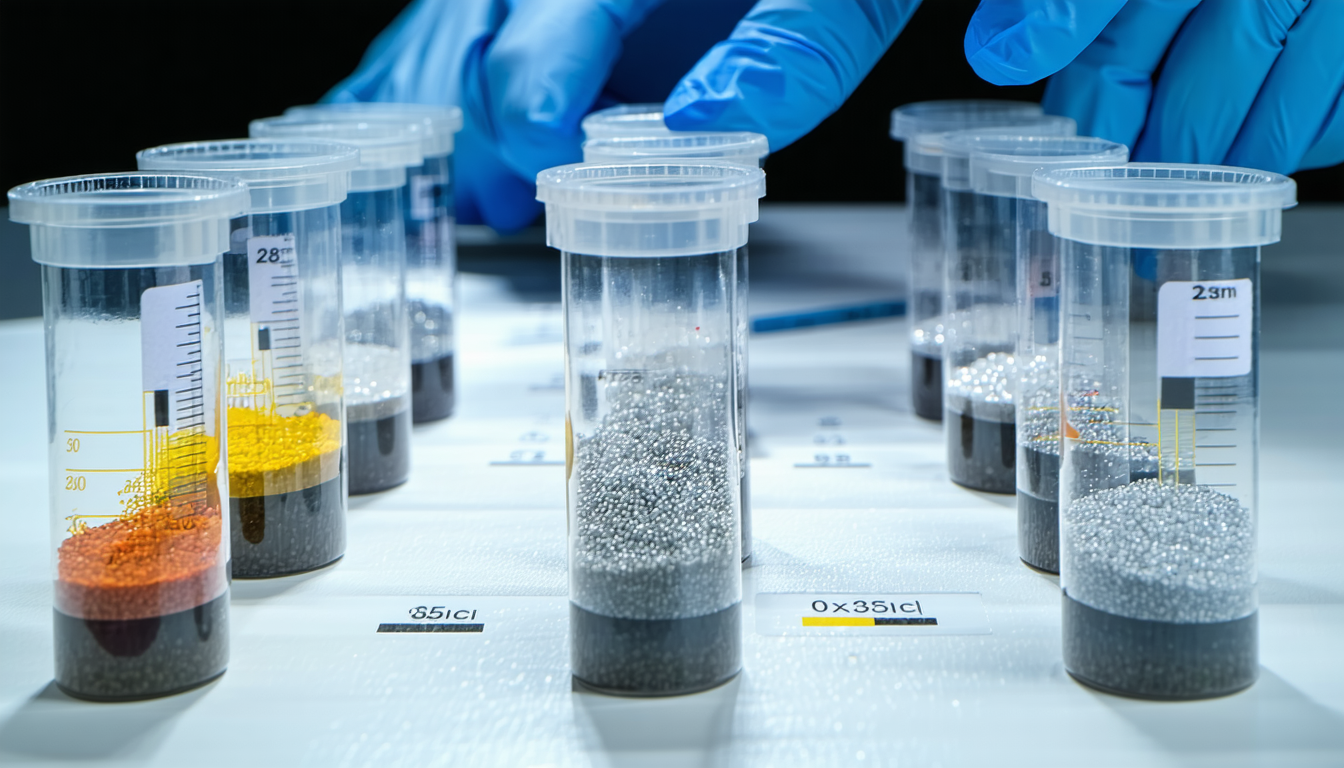
Metal dusts exhibit highest explosion severity among all combustible dust categories. Aluminum dust generates Kst values between 200-400 depending on particle size and oxidation level, placing it in St-2 and St-3 classifications.
The dust explosion pentagon requires all five elements for an explosion: combustible dust, oxidizer, ignition source, dispersion, and confinement. Metal dusts satisfy the combustibility requirement at lower concentrations than organic materials.
Aluminum dust creates the most severe explosions with Kst values reaching 400 for fine particles. Fresh aluminum shows higher reactivity than oxidized powder due to surface chemistry differences.
Magnesium dust generates St-3 explosions with Kst values exceeding 300. Even small quantities create violent deflagrations that can transition to detonation under specific conditions.
Titanium dust produces Kst values between 250-350, with higher values for sponge titanium compared to machined chips. Aerospace facilities handling titanium require specialized explosion protection.
Iron dust from grinding and machining operations shows Kst values of 150-250. Rust formation reduces reactivity but doesn’t eliminate combustible dust hazards.
Zinc dust exhibits Kst values around 200-280, with galvanizing operations creating particularly reactive particles due to high surface area.
Copper dust generates lower Kst values of 100-180 but remains combustible in fine particle sizes typical of electrical component manufacturing.
Particle morphology affects metal dust reactivity more than chemical composition. Flake-shaped particles from machining create higher surface area than spherical atomized powders.
Food and Agricultural Dust Examples by Processing Stage

Food processing creates combustible dust at multiple stages, from grain receiving through final packaging. Each processing step generates different particle sizes and moisture contents that affect explosion characteristics.
Grain elevators face the highest risk due to dust accumulation in confined spaces. Wheat flour has a Kst value of 150-200, while powdered sugar ranges from 100-150 depending on particle fineness. These values place most food dusts in St-1 classifications.
| Processing Stage | Material Examples | Particle Size | Kst Range |
|---|---|---|---|
| Grain Handling | Wheat, corn, soybeans | 50-200 microns | 120-180 |
| Milling Operations | Flour, cornmeal, rice powder | 10-50 microns | 150-250 |
| Sugar Processing | Granulated, powdered, brown sugar | 20-100 microns | 100-150 |
| Spice Grinding | Black pepper, cinnamon, paprika | 15-75 microns | 200-300 |
| Cocoa Processing | Cocoa powder, chocolate dust | 25-80 microns | 150-200 |
| Starch Production | Corn starch, potato starch | 5-30 microns | 180-220 |
NFPA 660 Chapter 12 addresses food processing facilities specifically, recognizing the unique characteristics of organic agricultural materials. Fat content affects particle combustibility, with higher fat materials showing increased explosion potential.
Drying operations concentrate combustible components by removing moisture that normally suppresses ignition. Spray drying creates particularly fine particles with high surface area and low moisture content.
Chemical, Pharmaceutical, and Polymer Dusts
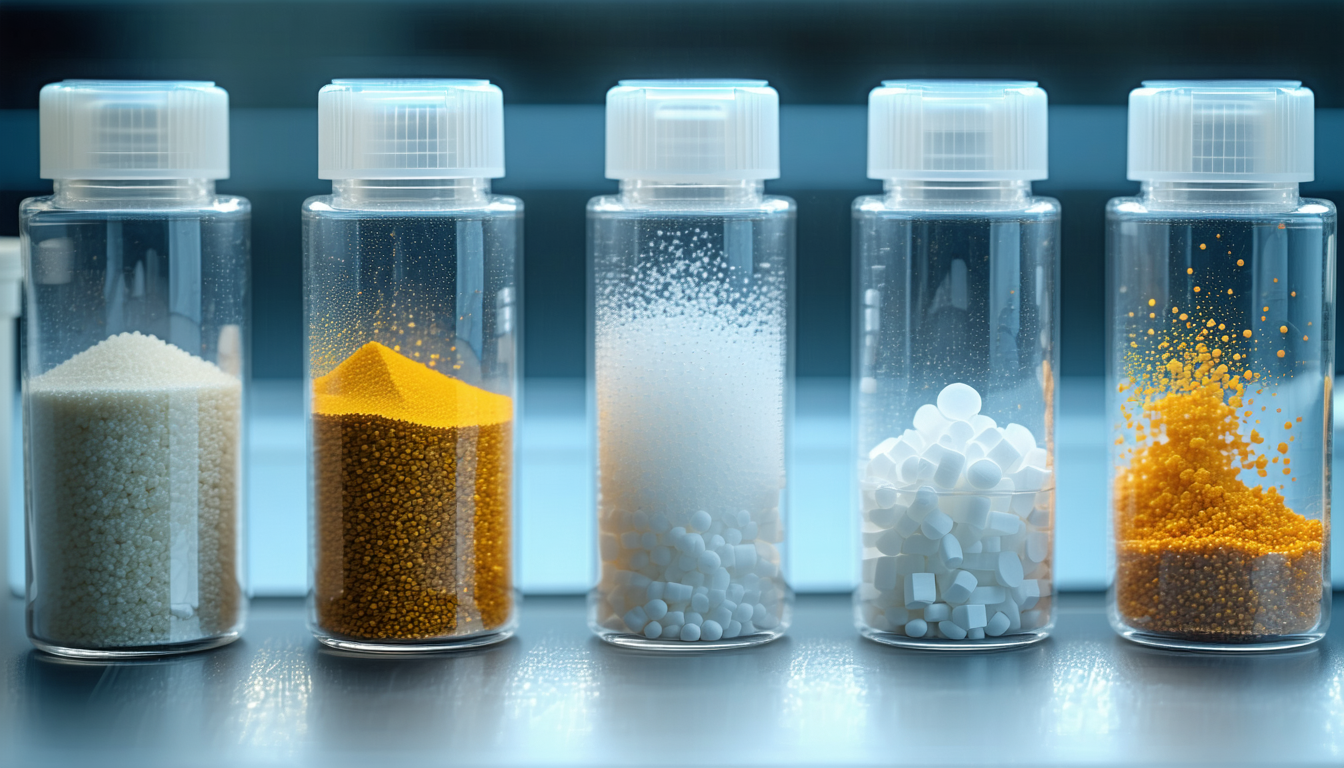
Chemical processing generates diverse combustible dust types with varying molecular structures and explosion characteristics. Polyethylene dust shows Kst values of 100-180, while pharmaceutical lactose ranges from 120-160 depending on particle size distribution.
Pharmaceutical facilities handle multiple powdered ingredients simultaneously, creating complex dust mixtures that require individual testing for accurate hazard assessment.
Active pharmaceutical ingredients (APIs) create dust with Kst values typically between 100-200, though specific compounds can exceed 250. Tablet coating operations generate particularly fine particles.
Excipient powders including lactose, microcrystalline cellulose, and starch show consistent Kst values around 120-160. These materials comprise the bulk of pharmaceutical dust hazards.
Polymer processing dust from pellet handling and grinding operations generates Kst values of 100-200. Thermoplastic dusts show higher reactivity than thermoset materials.
Pesticide formulation creates dust from active ingredients and carriers with Kst values ranging from 150-300. Organic pesticides typically show higher explosion potential than inorganic compounds.
Industrial chemical powders including pigments, catalysts, and specialty chemicals exhibit the widest Kst range from 80-350. Testing is required for accurate classification due to molecular diversity.
Rubber compound dust from mixing and grinding operations shows Kst values between 120-200, with synthetic rubbers generally more reactive than natural rubber compounds.
Particle combustibility in chemical processing depends on molecular structure, with organic compounds typically more reactive than inorganic materials. Processing temperature affects dust formation and subsequent explosion characteristics.
How Do Material Properties Affect Dust Explosion Risk?
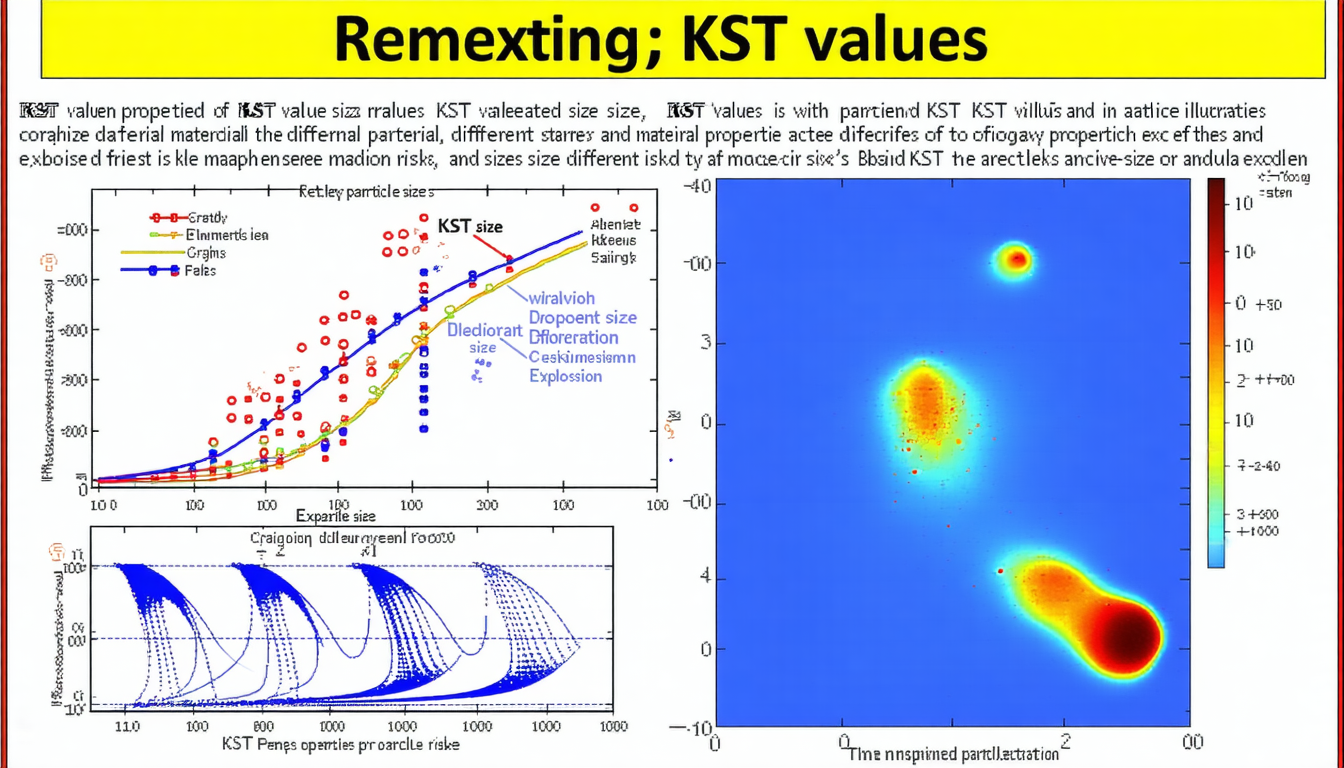
Material properties determine explosion severity classification by affecting how particles ignite, burn, and propagate pressure waves. The Kst value directly correlates with particle size, moisture content, and chemical composition.
Particle size shows the strongest correlation with explosion severity. Reducing particle size from 100 microns to 20 microns can double a material’s Kst value due to increased surface area available for combustion. This relationship explains why sanding dust creates more severe explosions than sawdust from the same wood species.
Moisture content above 15% typically prevents dust ignition by absorbing heat during the combustion process. The dust explosion pentagon requires dry conditions for the ignition element to function effectively. Food processing facilities see seasonal variation in dust explosion risk as humidity changes affect particle moisture content.
Fat content in organic materials increases explosion potential by providing additional fuel for the combustion reaction. Cocoa powder shows higher Kst values than flour partly due to cocoa butter content. Chemical composition affects both ignition temperature and flame propagation speed.
Particle shape influences explosion characteristics through surface area effects. Flake-shaped particles from machining operations create higher Kst values than spherical particles of the same material and mass median diameter.
Frequently Asked Questions
What materials are on OSHA’s official combustible dust list?
OSHA doesn’t maintain an official list of combustible dust materials. Instead, OSHA references NFPA 660 standards and requires facilities to test any organic dust with particles under 420 microns to determine combustibility. The burden is on the employer to identify and test potentially combustible materials in their operations.
Can the same material create different types of combustible dust?
Yes, the same base material can generate different dust hazards depending on processing method and particle characteristics. Wood creates different Kst values as sawdust versus sanding dust, and sugar produces different explosion risks as granulated versus powdered forms. Processing method determines final particle size and surface area.
How many different combustible dust materials exist in a typical manufacturing facility?
Most manufacturing facilities contain 3-8 distinct combustible dust materials across their operations. Woodworking shops might have 4-6 wood species creating dust, while food processing facilities often handle 10-15 different powdered ingredients that qualify as combustible dust. Each material requires individual assessment for accurate hazard classification.