Tagged: NFPA 660

Metal Dust Collection: Special Requirements for Metalworking Facilities
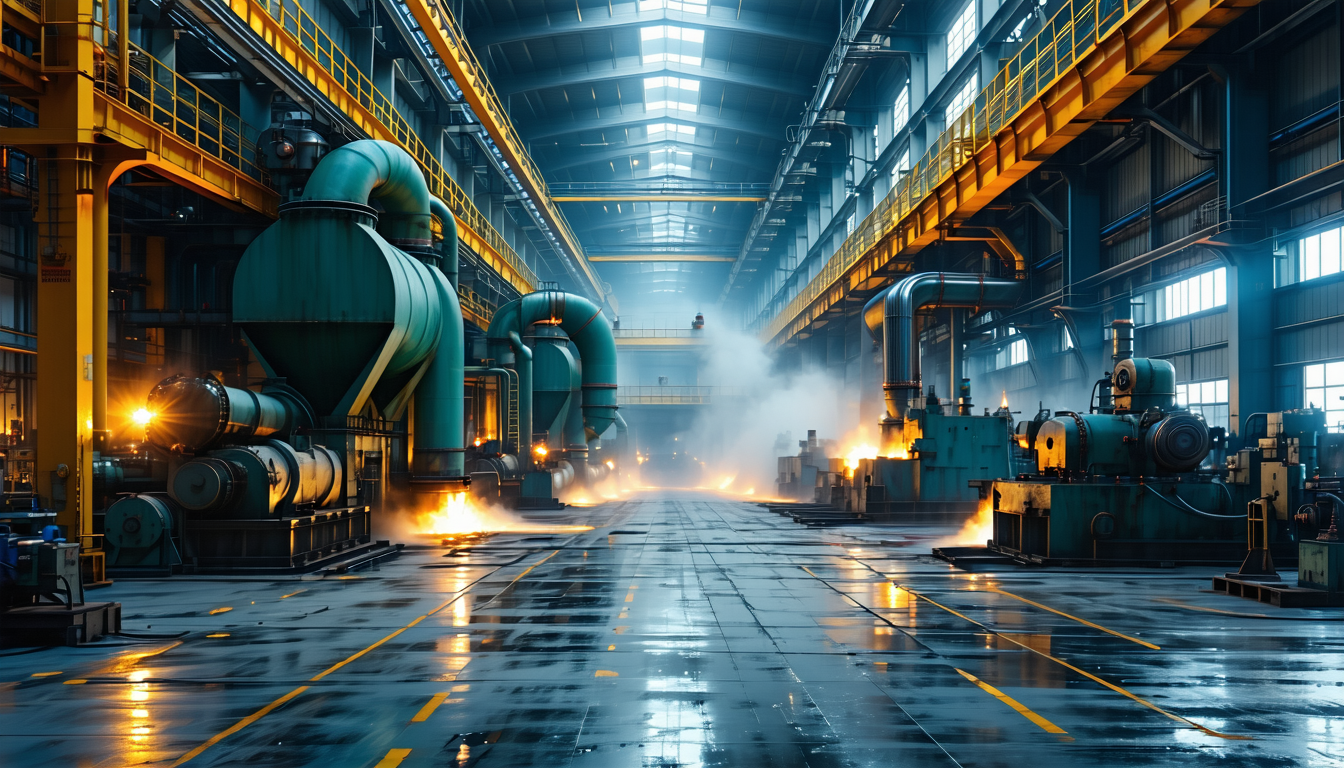
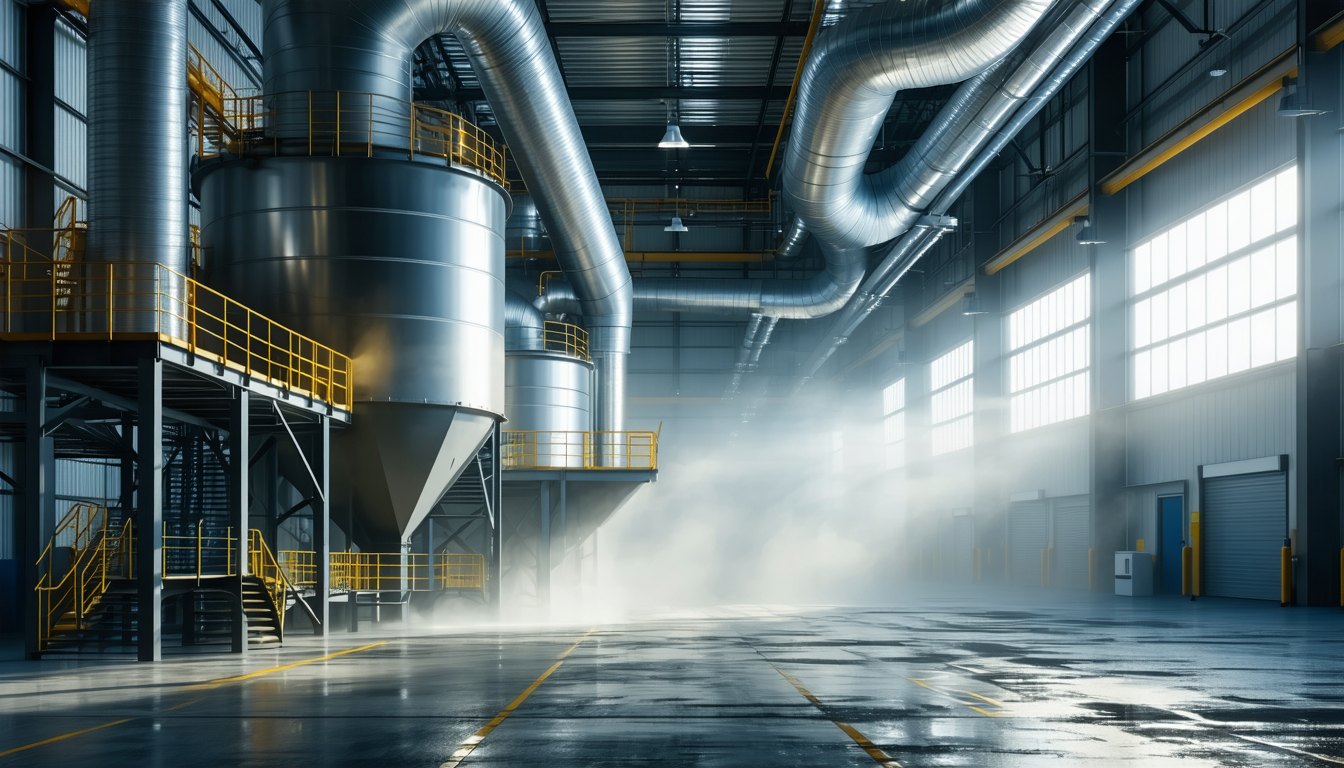
Metalworking facility with dust collectors and explosion protection, dramatic lighting.

Metal dust explosion incidents double when facilities use wood dust equipment on metalworking operations. Most combustible dust hazards stem from applying organic dust standards to metals that burn hotter and faster. Key Takeaways: Aluminum dust produces Kst values 3-5 times higher than wood dust, requiring specialized explosion protection systems that most organic dust collectors lack … Read more

Aluminum Dust Explosion: Why Metal Dust Requires Different Protection

Industrial setting with dramatic metal dust explosion, particles in air.

Aluminum dust explosion events don’t just burn, they explode with three times the severity of wood dust and can react violently with water-based suppression systems that work fine for organic materials. Key Takeaways: Aluminum dust reaches Kst values of 400+ bar-m/s versus wood dust at 150-200 bar-m/s Water suppression creates hydrogen gas when it contacts … Read more

Wood Dust Explosion Risk: NFPA 660 Chapter 24 for Woodworking

Woodworking shop with wood dust in air, dramatic lighting, and volumetric fog.

Wood dust explosion risks killed 14 workers in the 2003 West Pharmaceutical disaster, proving that sawdust creates the same lethal conditions as grain powder. Cabinet shops and furniture manufacturers face specific combustible dust requirements under NFPA 660 Chapter 24. Key Takeaways: NFPA 660 Chapter 24 applies to woodworking facilities over 5,000 square feet and prohibits … Read more

Combustible Dust by Industry: Hazards, Standards, and Compliance

Woodworking facility with dust particles and dramatic lighting.

Every combustible dust hazard varies by industry according to NFPA 660’s sector-specific chapters. What applies to your woodworking facility differs from grain processing plant requirements. Manufacturing operations face wildly different compliance paths despite handling the same basic dust types. Key Takeaways: NFPA 660 contains 5 distinct industry chapters with unique equipment and threshold requirements, Chapter … Read more

Combustible Dust Training: Requirements, Topics, and Program Design

Workers in a factory receiving combustible dust training, dramatic lighting, volumetric fog.

Combustible dust training records are missing from your facility documentation, and that insurance audit letter specifically asked for proof your program meets NFPA 660 requirements. You need to build a compliant training program fast. Key Takeaways: NFPA 660 requires both general awareness training for all workers and job-specific training for employees handling combustible dust operations … Read more

How to Clean Combustible Dust Safely: Methods and Mistakes to Avoid

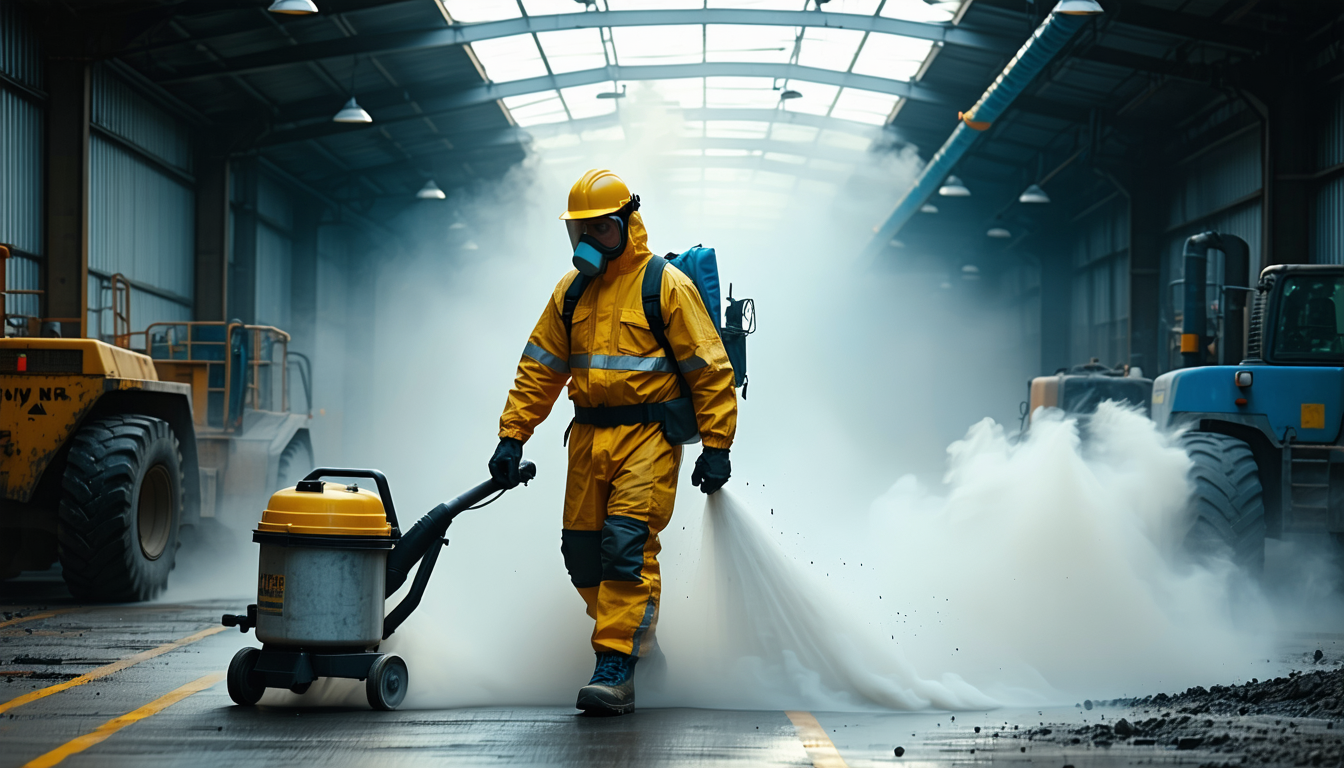
Worker using a HEPA vacuum in a factory, dust removal focus.

Combustible dust removal requires specific methods and equipment, your shop vac is an ignition source waiting to happen when combustible dust is involved. Every facility dealing with combustible dust faces the same challenge: how to maintain the 1/32-inch accumulation threshold without triggering the explosion you’re trying to prevent. Key Takeaways: Compressed air and regular vacuums … Read more

Combustible Dust Written Program: What Your Safety Program Must Include

Industrial workers inspecting a facility with dust particles in dramatic lighting.

Your insurance auditor wants to see your combustible dust program template, but NFPA 660 doesn’t provide one, just requirements scattered across eight chapters. You need a structured approach that actually references your facility’s combustible dust safety findings. Key Takeaways: NFPA 660 Chapter 8 mandates 6 core sections every written program must contain, missing any one … Read more

Combustible Dust Prevention: Housekeeping, Controls, and Programs

Industrial facility with dust accumulation under dramatic lighting.

Combustible dust safety programs prevent 80% of facility explosions, yet most plants lack the systematic prevention measures that OSHA and NFPA 660 now mandate. Combustible dust kills 14 workers annually and seriously injures 60 more according to OSHA data, yet most explosions occur in facilities that knew they had dust hazards but lacked systematic prevention … Read more

Recirculating Filtered Air: NFPA 660 Air Return Compliance

Industrial dust collector with HEPA filters and air ducts, in dramatic lighting.

Dust collector air recirculation seems like an energy-saving win until you discover NFPA 660’s strict conditions that make outdoor exhaust the safer choice for most facilities. Key Takeaways: NFPA 660 Section 8.5 permits air recirculation only when exposure limits stay below 25% of OSHA PEL HEPA secondary filtration capturing 99.97% of particles at 0.3 microns … Read more

Enclosureless Dust Collectors: NFPA Requirements and Limitations

Exposed filter elements of a dust collector under dramatic lighting.

Enclosureless dust collector systems promise simplified compliance, but NFPA 660 Chapter 24 restricts their use to such narrow conditions that most facilities can’t legally use them for combustible dust applications. Key Takeaways: NFPA 660 permits enclosureless collectors only for wood dust with weight limits of 1,000 pounds and volume limits of 500 cubic feet DHA … Read more