Combustible dust compliance just became your insurance company’s favorite audit topic. Your audit letter references NFPA 660, and you’ve got 90 days to prove compliance with standards most EHS managers have never heard of.
Key Takeaways:
- NFPA 660 consolidated four separate dust standards in December 2024, requiring facilities to reassess which requirements apply to their operations
- Dust accumulations exceeding 1/32-inch depth across 5% of a room’s surface area trigger mandatory dust hazard analysis under OSHA NEP enforcement
- Over 50% of combustible dust explosions occur inside dust collection systems, making proper explosion protection system design critical for equipment compliance
What Is Combustible Dust and Why Does It Kill Workers?
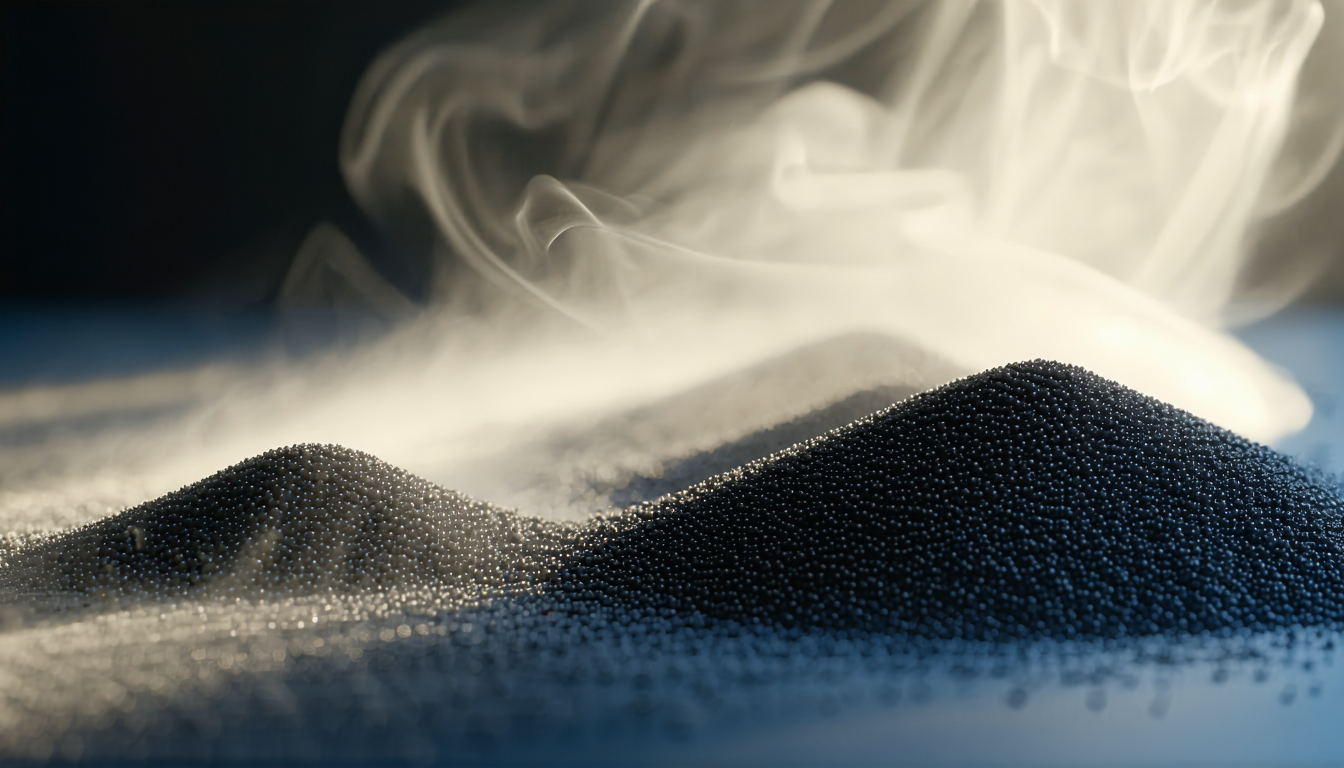
Combustible dust is any fine particulate organic or metal material that can create an explosion when suspended in air. This means particles under 420 microns in diameter that ignite when mixed with oxygen in the right concentration.
The dust explosion pentagon explains why what is combustible dust becomes deadly. You need five elements for an explosion: combustible dust, oxygen, ignition source, confinement, and dispersion. Remove any element and you prevent the explosion. Add all five and you get deflagration – a rapid flame front that creates devastating pressure waves.
Particle size matters. Materials that burn slowly in bulk form become explosive when ground fine. A wooden 2×4 burns steadily. Sawdust from the same wood can explode with the force of TNT when suspended in air at the right concentration.
Settled dust creates a different hazard than suspended dust. Dust accumulations on surfaces provide fuel for secondary explosions. The initial blast lifts settled dust into suspension, creating larger, more destructive explosions. This cascading effect explains why dust housekeeping programs focus on accumulation thresholds.
The statistics show the real danger. From 2006 to 2017, the Chemical Safety Board documented 111 combustible dust incidents in the United States. These resulted in 81 deaths and 297 injuries. The Imperial Sugar explosion in Georgia killed 14 workers and injured 42 others. West Pharmaceutical in North Carolina killed 6 and injured 38.
Most facilities don’t realize they have combustible dust hazards until testing confirms it. Common materials that create combustible dust include wood flour, grain dust, metal powders, plastic pellets, pharmaceutical powders, and food ingredients. The material doesn’t need to be obviously flammable – even iron powder can explode under the right conditions.
Suspended dust concentrations between the Lower Explosive Limit and Upper Explosive Limit create the explosion zone. For most organic dusts, this ranges from 40-60 grams per cubic meter at the lower end to 2,000-6,000 grams per cubic meter at the upper end. These concentrations occur during normal processing operations, not just during equipment failures.
NFPA 660 Requirements: What Changed in the 2024 Consolidation
NFPA 660 consolidates four previous combustible dust standards into one comprehensive standard. The December 2024 consolidation merged NFPA 61 (agricultural dusts), NFPA 484 (metal dusts), NFPA 652 (general requirements), and NFPA 654 (chemical, dye, and pharmaceutical dusts) into a single document.
This consolidation affects every industry that previously operated under the separate standards. Facilities must reassess which requirements apply to their specific dust types and operations.
| Standard | Industry Coverage | Key Change in NFPA 660 |
|---|---|---|
| NFPA 61 | Agricultural processing, grain elevators, feed mills | Integrated into Chapter 11 with updated housekeeping requirements |
| NFPA 484 | Metal fabrication, powder coating, magnesium processing | Now Chapter 13 with revised ignition source control |
| NFPA 652 | General requirements for all industries | Forms the base requirements in Chapters 4-10 |
| NFPA 654 | Chemical manufacturing, pharmaceutical production | Expanded in Chapter 12 with stricter DHA requirements |
The new compliance timeline creates immediate action items. Existing facilities have 24 months from the standard’s effective date to complete updated dust hazard analysis requirements. New construction projects must comply immediately.
Chapter 4 establishes the dust hazard analysis as the foundation requirement. Every facility that generates, handles, processes, or transports combustible dust must complete a DHA within the prescribed timeline. The analysis identifies which specific NFPA 660 requirements apply to each area of the facility.
Ignition source control requirements now appear in Chapter 8 with industry-specific modifications in later chapters. Electrical equipment in combustible dust areas must meet specific classification requirements. Hot work permits require dust clearance procedures. Smoking and open flame policies need documented enforcement.
Housekeeping requirements got stricter in the consolidation. The 1/32-inch accumulation threshold remains, but inspection frequencies increased for high-risk areas. Chapter 9 requires written housekeeping programs with specific cleaning procedures, equipment specifications, and disposal methods.
Explosion protection requirements in Chapter 10 reference updated design standards. Facilities must choose between explosion prevention, explosion protection (venting or suppression), or a combination approach. The choice depends on dust characteristics determined through testing.
How to Determine If Your Facility Has Combustible Dust Hazards

Identifying combustible dust hazards requires systematic evaluation of your materials and processes. The process starts with material inventory and progresses through testing protocols.
Inventory all materials that create dust during processing, handling, or transport. Include raw materials, intermediate products, waste streams, and cleaning residues. Don’t forget materials that create dust during maintenance activities like grinding, cutting, or demolition.
Perform go-no-go screening tests on collected samples. The ASTM E1226 test determines if dust samples can propagate flame when ignited in a controlled environment. This screening test costs under $500 per sample and provides initial combustibility determination.
Conduct field surveys to identify dust generation and accumulation areas. Walk through all production areas, maintenance shops, storage areas, and waste handling locations. Look for visible dust on surfaces, equipment, and overhead structures. Measure accumulation depths using a coin (a dime equals 1/32-inch thickness).
Document process conditions that create dust clouds. Identify operations that generate airborne dust including material transfer, grinding, mixing, packaging, and cleaning activities. Note ventilation effectiveness and dust collection system performance in these areas.
Collect representative samples following NFPA 660 sampling procedures. Sample from dust accumulations, baghouse filters, and process equipment. Collect enough material for testing (minimum 50 grams per test) and maintain sample integrity during transport to the lab.
Industry-specific hazard profiles help focus your assessment. Woodworking facilities should evaluate sawdust from all species, sanding operations, and waste collection systems. Food processing plants need to test grain dusts, sugar, starch, and dried ingredients. Metal fabrication shops should sample grinding dust, cutting debris, and powder coating materials.
Pharmaceutical manufacturers face unique challenges. Active pharmaceutical ingredients often have explosive properties beyond simple combustible dust concerns. Excipients like lactose and starch are confirmed combustible dusts requiring full hazard analysis.
Plastics manufacturing creates combustible dust during pelletizing, grinding, and recycling operations. Thermoset and thermoplastic materials have different combustibility characteristics requiring separate evaluation.
Go-no-go testing provides initial screening for under $500 per sample. Positive results trigger the need for complete dust characterization testing. Full lab testing includes Kst (explosion severity), Pmax (maximum explosion pressure), and MIT (minimum ignition temperature) values. Complete characterization ranges from $2,000-5,000 per dust sample but provides the data needed for explosion protection system design.
OSHA NEP Enforcement: What Triggers an Inspection
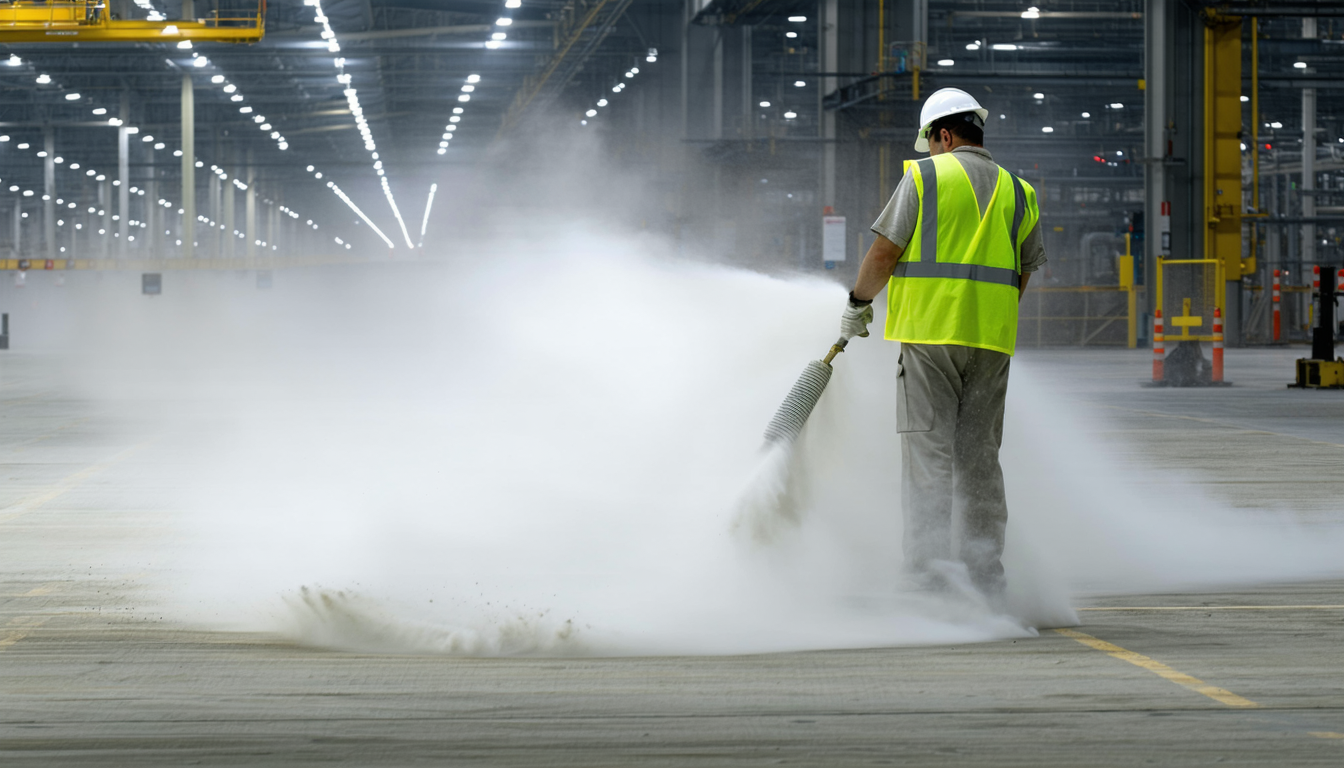
OSHA NEP targets facilities with visible dust accumulation during scheduled inspections and complaint investigations. Understanding the targeting criteria helps you avoid unwanted attention.
Visible dust accumulations exceeding 1/32-inch depth across 5% of any room’s floor area. Inspectors use the coin test – if dust depth exceeds a dime’s thickness across significant floor area, they cite Section 5(a)(1) General Duty Clause violations and require dust hazard analysis completion.
Employee complaints specifically mentioning dust explosion concerns or dusty working conditions. Anonymous complaints trigger inspections within 24-48 hours. Inspectors focus on the complaint area but expand scope if they find dust accumulations elsewhere.
Referrals from fire marshals during permit inspections or incident investigations. Local fire departments increasingly reference NFPA 660 requirements during plan reviews and post-incident investigations. Fire marshal referrals carry significant weight with OSHA compliance officers.
Industry targeting based on NAICS codes with high incident rates. Wood product manufacturing (NAICS 321), food manufacturing (NAICS 311), chemical manufacturing (NAICS 325), and primary metals (NAICS 331) receive priority scheduling for combustible dust inspections.
Follow-up inspections at facilities with previous dust-related violations or accidents. Once you’re in the system for combustible dust issues, expect regular follow-up inspections until compliance is demonstrated through completed DHA and implemented controls.
Walkthrough inspections focus on dust accumulation patterns. Inspectors look for dust on overhead beams, light fixtures, electrical equipment, and hidden areas like catwalks and mezzanines. They photograph accumulations and measure depths using standardized tools.
Typical violations carry serious financial consequences. Section 5(a)(1) General Duty Clause violations for combustible dust hazards range from $15,000-150,000 per citation depending on severity and employer knowledge. Willful violations can exceed $300,000.
Inspectors also cite specific OSHA standards where applicable. Electrical equipment violations under 29 CFR 1910.307 for improper equipment in dust areas. Housekeeping violations under 29 CFR 1910.22 for accumulations creating slip hazards. Personal protective equipment violations under 29 CFR 1910.132 where dust creates respiratory hazards.
Dust Collection System Compliance and Explosion Protection
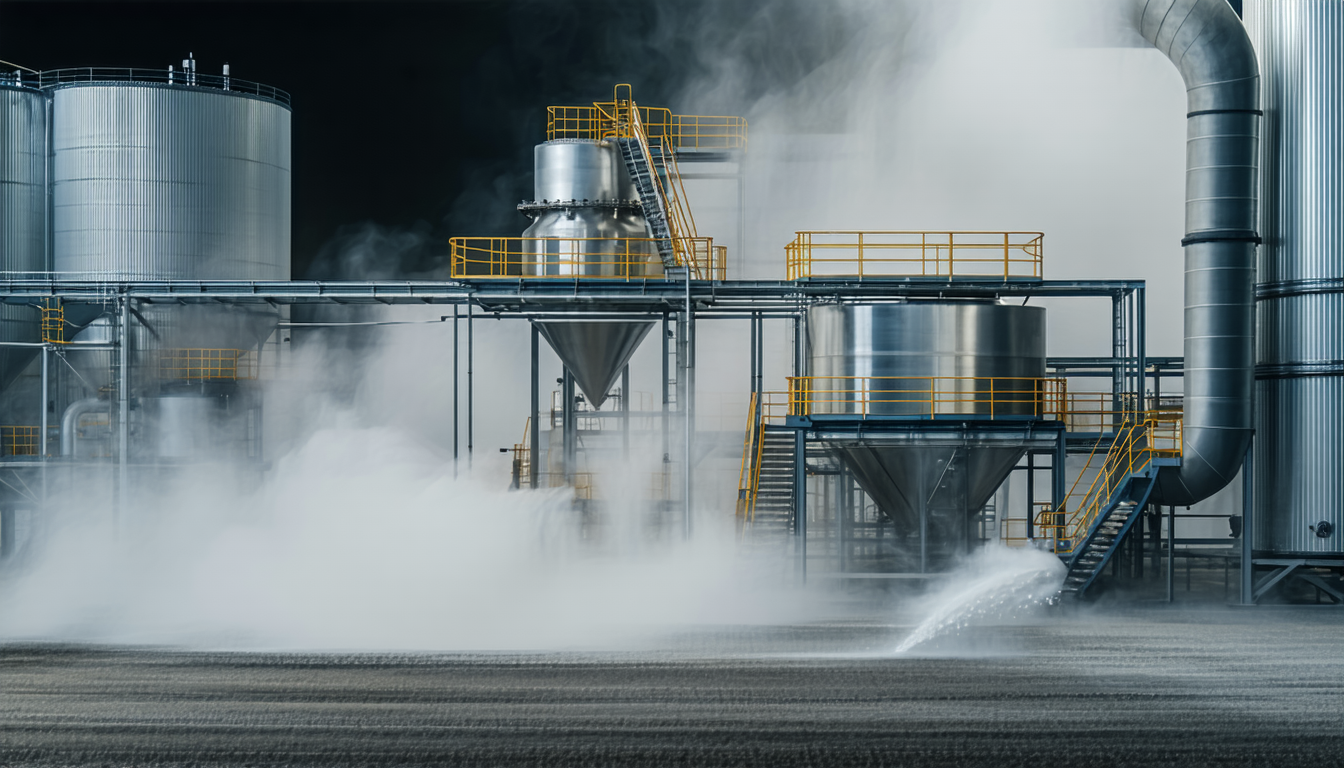
Dust collection systems require explosion protection when handling combustible dust. The protection method depends on dust characteristics, system design, and installation location.
Proper system design starts with dust characterization data. Kst values determine explosion severity while Pmax values establish design pressure requirements. These lab-determined values drive explosion protection calculations.
| Protection Method | Application | Design Basis |
|---|---|---|
| Explosion Venting | Outdoor installations with adequate clearance | Vent area = enclosure volume × dust Kst ÷ design pressure |
| Explosion Suppression | Indoor installations near occupied areas | Detection response time under 5 milliseconds with suppressant injection |
| Explosion Prevention | All installations when feasible | Inerting with nitrogen or deflagration isolation valves |
| Explosion Isolation | Connected systems with multiple vessels | Fast-acting valves triggered by pressure sensors |
Venting requirements follow specific calculations based on enclosure volume and dust properties. Minimum vent area equals enclosure volume multiplied by dust Kst value divided by maximum allowable design pressure. Vent panels must open at predetermined pressures and discharge to safe areas.
Suppression systems use pressure sensors and suppressant injection to stop deflagration before destructive pressures develop. Detection systems must respond within 5 milliseconds of pressure rise. Suppressant injection occurs through strategically placed nozzles that create suppressant clouds ahead of the flame front.
Isolation systems prevent explosion propagation between connected equipment. Fast-acting isolation valves close within 20 milliseconds when triggered by pressure sensors. Rotary airlock valves provide passive isolation for continuous material transfer systems.
Electrical classification requirements apply to dust collection systems handling combustible dust. Equipment in dust-tight enclosures requires Class II, Division 1 or Zone 20 electrical classification. Areas with occasional dust clouds need Class II, Division 2 or Zone 21 classification. Normal areas require Class II, Division 2 or Zone 22 classification.
Grounding and bonding prevent static electricity accumulation during dust transport. Metal ductwork needs electrical continuity with resistance under 10 ohms between sections. Flexible connections require bonding jumpers rated for the maximum fault current.
Filter selection affects explosion risk. Membrane filters create higher resistance requiring more powerful fans that generate heat. Pleated filters provide lower pressure drop but collect more dust between cleanings. Cartridge filters work well for fine dusts but need frequent replacement in high-loading applications.
Explosion venting requires minimum vent area calculation based on enclosure volume and dust Kst value from lab testing. Undersized venting creates higher explosion pressures that can breach equipment and propagate to connected systems.
Complete Combustible Dust Compliance Checklist for Plant Managers

Compliance pathway requires dust hazard analysis completion as the foundation for all other requirements. The DHA identifies specific hazards and required controls for your facility.
Complete initial dust sampling and go-no-go testing for all materials that create dust during processing or handling. Collect samples from production equipment, dust collectors, and accumulation areas. Test results determine which materials require full combustible dust characterization.
Engage qualified personnel to conduct the dust hazard analysis according to NFPA 660 Section 4.1 requirements. The DHA team must include process knowledge, fire protection engineering, and electrical expertise. Plan 3-6 months from initiation to final report depending on facility complexity.
Develop written housekeeping procedures that address the 1/32-inch accumulation threshold. Document cleaning frequencies, methods, equipment requirements, and disposal procedures. Train personnel on dust recognition and proper cleaning techniques that don’t create airborne dust clouds.
Implement ignition source control measures based on DHA findings. Update hot work permit procedures to require dust clearance. Classify electrical equipment according to dust zone requirements. Establish smoking policies and open flame controls.
Install required explosion protection systems on dust collection equipment handling combustible dust. Choose between venting, suppression, or prevention based on system location and dust characteristics. Size protection systems using lab-determined Kst and Pmax values.
Create written combustible dust safety program documentation required for OSHA compliance. Include management of change procedures, incident investigation protocols, employee training requirements, and contractor safety oversight. Document all training and inspection activities.
Establish routine inspection and maintenance procedures for dust control systems. Schedule filter replacement, explosion protection system testing, electrical equipment inspection, and housekeeping effectiveness audits. Document all maintenance activities and system performance data.
Prepare for insurance audits by assembling DHA documentation, training records, and inspection reports. Insurance companies increasingly use NFPA 660 compliance as underwriting criteria. Complete documentation demonstrates due diligence and may qualify for premium reductions.
Housekeeping program requirements extend beyond basic cleaning. Written procedures must specify cleaning frequencies based on dust generation rates. High dust generation areas need daily cleaning while low-generation areas may need weekly attention. Document actual cleaning activities to demonstrate program effectiveness.
Written safety program elements include management commitment, hazard identification procedures, control system selection criteria, training requirements, and emergency response protocols. The program must address normal operations, maintenance activities, and upset conditions that could increase dust explosion risk.
Inspection documentation requirements support both OSHA compliance and insurance audits. Monthly inspection records showing dust accumulation measurements, cleaning effectiveness, and control system performance demonstrate ongoing compliance with NFPA 660 requirements.
Implementation timeline and cost benchmarks help with project planning. Initial dust hazard analysis ranges from $15,000-50,000 depending on facility size and complexity. Simple housekeeping improvements may cost under $10,000 while explosion protection systems can exceed $100,000 for large dust collectors.
Complete DHA process typically requires 3-6 months from initiation to final report depending on facility complexity. Simple single-process facilities can complete DHA faster while multi-process facilities with various dust types need longer evaluation periods.
Frequently Asked Questions
How do I comply with combustible dust regulations if I’m not sure which ones apply?
Start with NFPA 660 Section 4.1 which requires a dust hazard analysis for any facility that generates, handles, or processes combustible dust. The DHA process will identify which specific requirements apply to your operations and dust types. This analysis forms the foundation for all other compliance activities.
What industries are most at risk for combustible dust explosions?
Woodworking, food processing, metalworking, pharmaceuticals, and plastics manufacturing have the highest incident rates. Any industry that creates fine particles during processing, grinding, or handling operations should assess for combustible dust hazards. The Chemical Safety Board incident database shows these industries account for over 80% of reported combustible dust explosions.
How much does combustible dust compliance cost for a typical manufacturing facility?
Initial dust hazard analysis ranges from $15,000-50,000 depending on facility size and complexity. Implementation costs vary widely based on required controls, from basic housekeeping improvements to explosion protection systems costing $100,000+. The investment pays for itself through reduced insurance premiums and avoided incident costs.
Can I perform combustible dust testing myself or do I need a certified lab?
Go-no-go screening tests can be performed in-house following ASTM E1226 procedures. However, if dust proves combustible, you’ll need certified lab testing for Kst, Pmax, and MIE values required for explosion protection system design. These specialized tests require equipment and expertise that most facilities don’t have in-house.