What is combustible dust becomes critically important when most EHS managers discover they’ve been working with it for years without knowing it, and the insurance auditor’s letter demanding NFPA 660 compliance is their first clue.
Key Takeaways:
- Combustible dust includes any finely divided solid material with particles smaller than 500 microns that can create an explosion hazard when suspended in air
- OSHA and NFPA use different definitions, OSHA focuses on workplace hazard identification while NFPA 660 sets the technical classification standards for compliance
- Over 7,000 materials can create combustible dust, including seemingly benign substances like flour, sugar, aluminum, and wood particles
Combustible Dust Definition: OSHA vs NFPA Standards
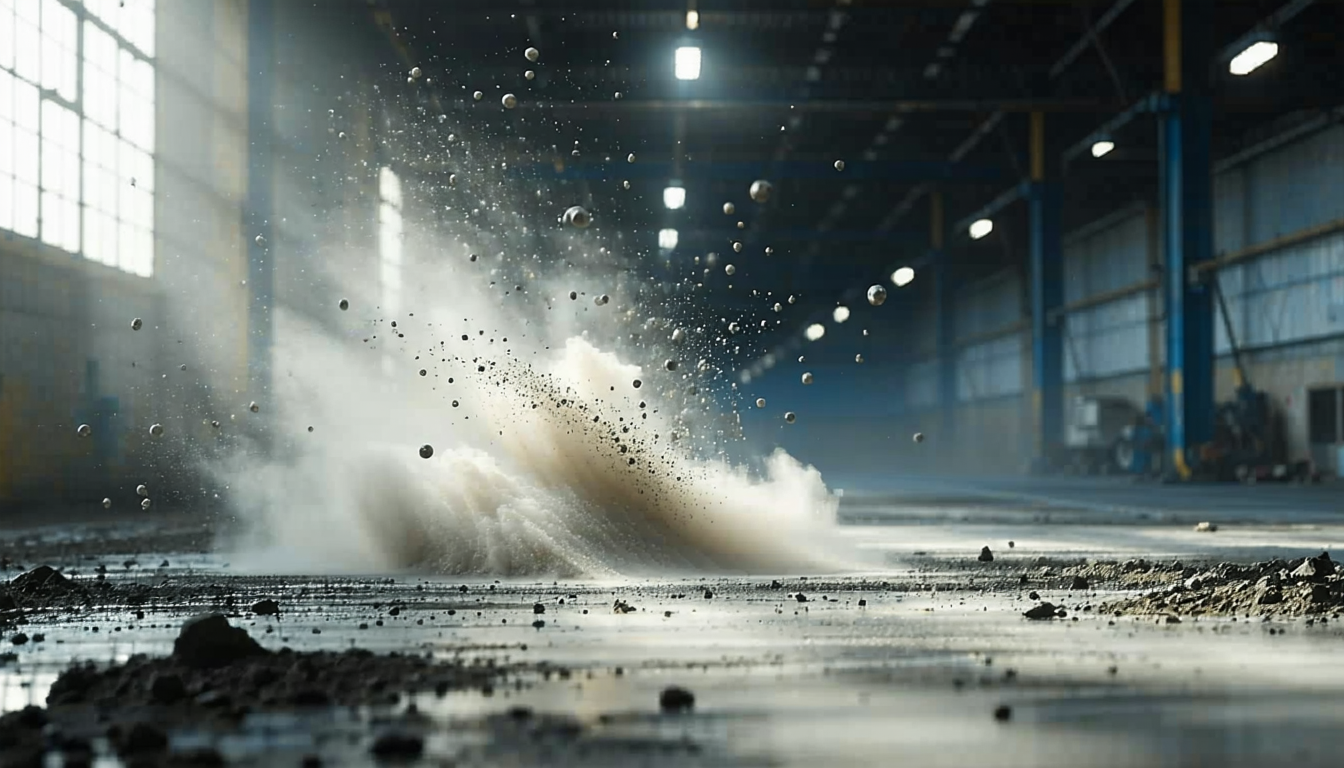
Combustible dust is any finely divided solid material that creates an explosion hazard when suspended in air under specific conditions. This means particles small enough to become airborne can ignite and propagate flame throughout a cloud, potentially causing devastating explosions.
OSHA defines combustible dust as finely divided solid material that creates an explosion hazard when suspended in air. Their definition appears in 29 CFR 1910.146 and focuses on workplace hazard identification. OSHA uses combustible dust to trigger safety evaluations and determine if permit-required confined space protocols apply.
NFPA 660 provides the technical definition that drives compliance requirements. NFPA 660 defines combustible dust as any finely divided solid material with a median particle size of 500 microns or smaller that presents a deflagration hazard when suspended in air. The standard specifies particle size thresholds and testing methodologies that determine regulatory obligations.
The key difference lies in application scope. OSHA focuses on worker protection during routine operations, identifying when dust creates confined space hazards or requires housekeeping protocols. NFPA 660 establishes the technical framework for explosion prevention systems, dust hazard analysis requirements, and facility design standards.
Both definitions matter for complete compliance. OSHA drives day-to-day safety protocols while NFPA 660 determines long-term facility modifications and engineering controls. An insurance audit typically references NFPA 660 classifications, but OSHA violations carry immediate citation risk.
The 500-micron particle size threshold from NFPA 660 creates a clear technical boundary. Materials with particles larger than 500 microns don’t qualify as combustible dust under the standard, even if they burn readily in bulk form.
What Size Particles Create Combustible Dust Hazards?

Particle size determines combustion potential through surface area exposure and suspension characteristics. Particles smaller than 500 microns create explosion hazards because they remain airborne longer and ignite more readily than larger particles.
The 500-micron threshold represents 35 mesh on standard sieve testing. Particles this size feel like fine flour or powdered sugar when handled. Coarser materials like wood chips or metal shavings larger than 500 microns don’t create dust explosion hazards under NFPA 660, though they may present fire risks.
Smaller particles are more dangerous because of surface area to volume ratios. A single large particle has limited surface area exposed to oxygen. That same mass divided into hundreds of small particles multiplies the reactive surface area exponentially. More surface area means faster heat transfer and more violent combustion.
Particles between 10-500 microns create the greatest explosion risk. These sizes stay suspended in air currents long enough to form combustible clouds while maintaining enough mass for sustained burning. Particles smaller than 10 microns often agglomerate or don’t carry enough fuel mass per particle.
Mesh equivalents help identify problem materials during processing. 200 mesh (74 microns) captures most concerning particles, while 400 mesh (37 microns) represents the fine end of typical industrial dusts. Any process creating particles finer than 35 mesh should trigger combustible dust evaluation.
Material Categories That Create Combustible Dust
| Material Category | Common Examples | Industries | Explosion Risk Level |
|---|---|---|---|
| Organic Materials | Flour, sugar, cocoa, pharmaceutical powders | Food processing, pharmaceuticals | High – fine particles, low ignition energy |
| Wood Products | Sawdust, sanding dust, MDF particles | Woodworking, furniture, construction | High – readily airborne, common ignition sources |
| Metals | Aluminum, magnesium, iron, zinc | Metalworking, powder coating, 3D printing | Extreme – violent explosions, difficult suppression |
| Plastics | Polyethylene, polystyrene, PVC | Manufacturing, recycling, molding | Moderate to High – varies by polymer type |
| Agricultural | Grain dust, corn, wheat, soybeans | Grain elevators, feed mills, ethanol | High – historical explosion frequency |
| Textiles | Cotton, linen, synthetic fiber dust | Textile mills, upholstery, carpet | Moderate – depends on fiber treatment |
| Coal/Carbon | Coal dust, activated carbon, carbon black | Power generation, filtration, rubber | High – well-documented explosion history |
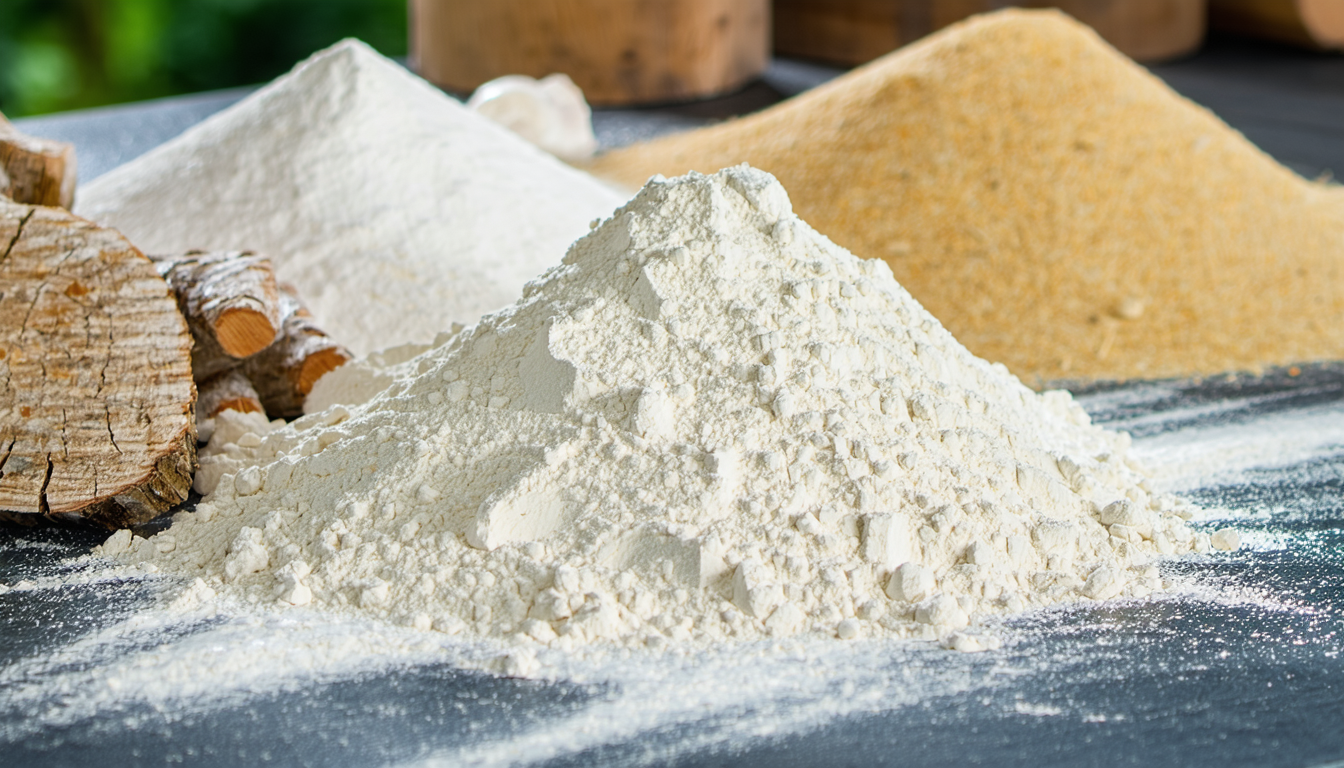
Seven main material categories cover over 7,000 substances that can create combustible dust. The breadth surprises most facility managers because everyday materials like flour and aluminum present serious explosion hazards when processed into fine particles.
Organic materials dominate industrial combustible dust incidents. Food processing facilities working with flour, sugar, cocoa, or spice powders face consistent dust explosion risk. These materials ignite easily and burn rapidly once suspended.
Metal dusts create the most violent explosions. Aluminum powder explosions can reach pressures exceeding 100 PSI with flame speeds over 1,000 meters per second. Magnesium dust burns so hot that water application can worsen the explosion by creating hydrogen gas.
Common misconceptions center on “natural” materials being safe. Cornstarch, flour, and sugar cause frequent dust explosions because their fine particle size and organic chemistry create ideal combustion conditions. Many facilities discover combustible dust hazards only after processing changes reduce particle sizes below 500 microns.
The Dust Explosion Pentagon: How Combustion Happens
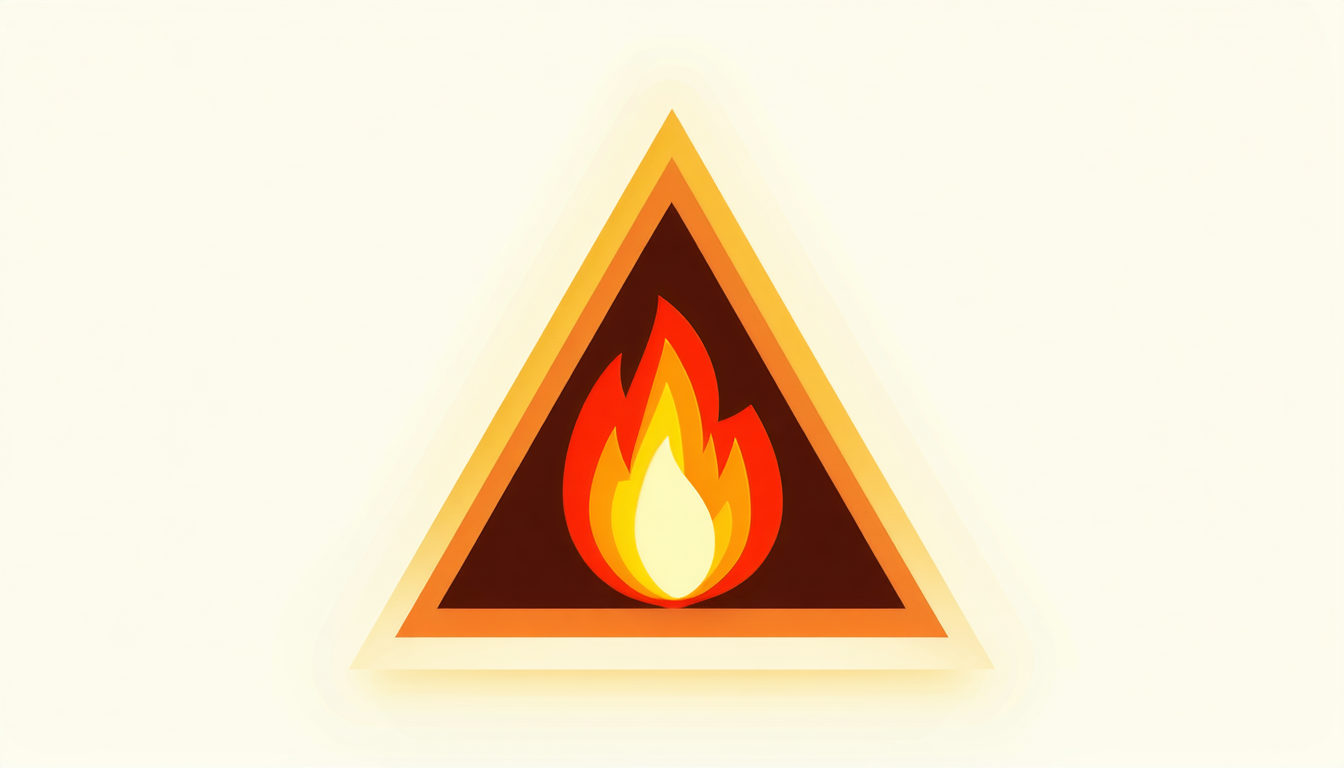
The dust explosion pentagon requires five elements for ignition, expanding beyond the traditional fire triangle of fuel, oxygen, and heat. Understanding these elements helps identify prevention strategies and explains why dust explosions differ from ordinary fires.
Combustible dust, Fine particles smaller than 500 microns that can burn when suspended in air, providing the fuel source for explosion propagation.
Oxygen, Atmospheric oxygen concentration above 16% supports dust combustion, with normal air containing sufficient oxygen for most dust explosions.
Ignition source, Heat, spark, or flame with enough energy to initiate combustion, including static electricity, hot surfaces, mechanical friction, or electrical equipment.
Dispersion, Particles must be suspended in air at concentrations between the minimum explosible concentration and upper explosive limit for flame propagation.
Confinement, Enclosed or partially enclosed spaces that allow pressure buildup, transforming deflagration into destructive explosion forces.
Removing any single element prevents dust explosions. This principle drives NFPA 660 prevention strategies: eliminate ignition sources, prevent dust accumulation, control particle dispersion, or design pressure relief systems.
Deflagration describes the combustion process in dust explosions. Unlike detonation, deflagration burns subsonic but creates pressure waves that can destroy buildings and equipment. The minimum explosible concentration varies by material type, ranging from 20-60 grams per cubic meter for most organic dusts.
Confinement separates dust explosions from dust fires. Open burning creates flames but limited pressure. Enclosed spaces trap expanding gases, creating the pressure differentials that cause structural damage and secondary explosions.
Kst Classification: Measuring Explosion Severity
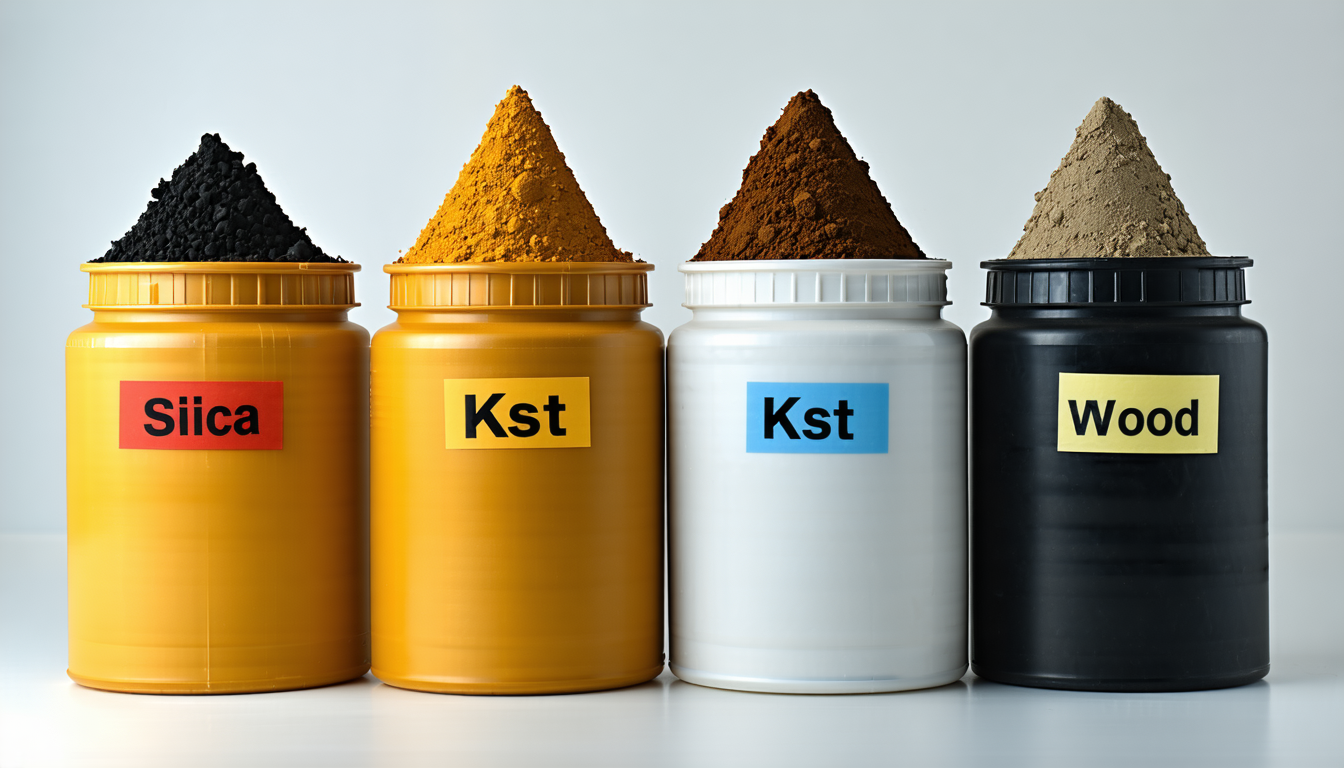
| Classification | Kst Value Range | Explosion Characteristics | Example Materials |
|---|---|---|---|
| St 0 | 0 bar·m/s | No explosion propagation | Silica, limestone, some treated materials |
| St 1 | >0-200 bar·m/s | Weak to moderate explosions | Wood dust, flour, most food products |
| St 2 | >200-300 bar·m/s | Strong explosions | Corn starch, plastic powders, coal |
| St 3 | >300 bar·m/s | Very violent explosions | Aluminum, magnesium, fine metal powders |
Kst value measures dust explosion violence through standardized laboratory testing. This classification system helps engineers design appropriate explosion protection systems and determines regulatory requirements under NFPA 660.
NFPA 660 requires Kst testing for materials not covered by presumptive classifications. The test measures maximum rate of pressure rise during controlled dust explosions in a 20-liter sphere. Higher Kst values indicate more violent explosions requiring stronger protection systems.
St 1 dusts have Kst values between 0-200 bar·m/s and represent most common combustible dusts. Wood flour, wheat flour, and sugar fall into this category. St 2 dusts reach 200-300 bar·m/s and require enhanced explosion protection measures.
St 3 dusts above 300 bar·m/s create extreme hazards. Aluminum powder can reach Kst values exceeding 400 bar·m/s. These materials require specialized explosion suppression systems and may be unsuitable for certain facility designs.
The testing methodology uses a 20-liter explosion sphere with controlled dust injection and ignition timing. Results determine protection system design requirements, including explosion vent sizing, suppression system specifications, and isolation valve response times.
Combustibility vs Explosibility: The Critical Distinction
Combustibility testing determines whether materials can sustain flame propagation when ignited, while explosibility testing measures explosion violence and minimum ignition energy. Both classifications affect regulatory requirements but address different aspects of hazard management.
Particle combustibility screening uses standardized tests like ASTM E1226 to determine if materials will burn. The go no go test combustible dust procedures identify materials that require further evaluation without expensive comprehensive testing. Materials that fail combustibility screening don’t require explosion testing.
Explosibility testing applies only after materials pass combustibility screening. These tests measure minimum explosible concentration, minimum ignition energy, and maximum explosion pressure. Results determine specific protection requirements and classify materials into St 0 through St 3 categories.
Materials can be combustible but not explosible based on testing results. Some treated materials or moisture-laden dusts burn in laboratory conditions but don’t propagate explosions in typical industrial concentrations. These materials still require housekeeping protocols but may not need explosion protection systems.
Regulatory implications differ significantly between classifications. Combustible materials require dust hazard analysis and housekeeping programs. Explosible materials trigger additional requirements for explosion protection, hot work permits, and facility design modifications.
Frequently Asked Questions
What’s the difference between combustible dust and regular dust?
Combustible dust consists of particles smaller than 500 microns that can ignite and propagate flame when suspended in air. Regular dust may contain larger particles or non-combustible materials that don’t create explosion hazards even when airborne.
Can sawdust be considered combustible dust?
Yes, sawdust is combustible dust when particles are smaller than 500 microns. Wood dust from sanding, routing, or fine cutting operations typically meets this size threshold and requires NFPA 660 compliance measures.
Do I need to test my dust to know if it’s combustible?
Not always. NFPA 660 provides presumptive lists of combustible materials including common substances like flour, sugar, aluminum, and wood. If your material isn’t listed, combustibility testing determines classification and required safety measures.