Electrical classification combustible dust requirements turn that motor sparking inside your dust collector into code compliance instead of an ignition source. The National Electrical Code demands Class II location treatment wherever combustible dust creates explosion risk.
Key Takeaways:
- Class II locations are the only electrical classification that applies to combustible dust facilities, Class I covers flammable gases and vapors, not dusts
- Division 1 areas contain combustible dust during normal operations, while Division 2 areas only contain dust during abnormal conditions like equipment malfunction
- Temperature ratings (T6 through T1) must match your dust’s ignition temperature, using T4 equipment with T6-rated dust creates explosion risk
What Class of Location Is Hazardous Because of Combustible Dust?
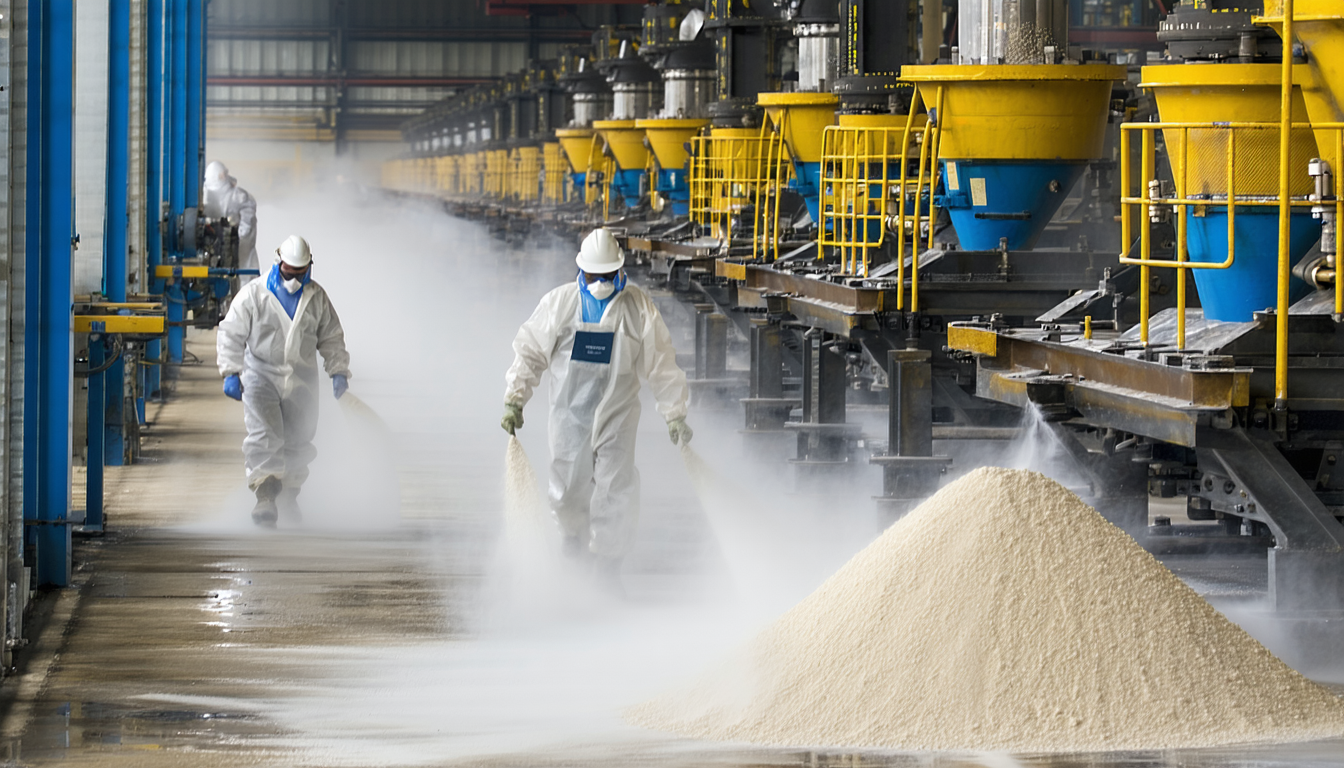
Class II locations are areas where combustible dust is present in quantities sufficient to produce explosive or ignitable mixtures. This means any facility handling wood dust, metal powders, flour, pharmaceutical powders, or similar materials operates in Class II territory during normal processing.
NEC Article 500.5(C) specifically defines Class II as locations where combustible dust is present. Class I locations contain flammable gases and vapors like propane or gasoline vapor. Class III locations handle easily ignitable fibers like cotton lint or wood shavings, but this classification doesn’t apply to the fine dust particles that create explosion risk in manufacturing.
NFPA 660 requires facilities to identify Class II locations as part of their dust hazard analysis process. The standard mandates electrical classification because standard industrial equipment creates ignition sources through normal operation. Motors spark during startup. Junction boxes heat up under load. Light fixtures reach surface temperatures that ignite suspended dust clouds.
Your authority having jurisdiction will verify Class II boundaries during plan review and inspection. They’re looking for proper identification of dust-generating equipment, processing areas, and transfer points where combustible dust accumulates or becomes airborne during normal operations.
Class II Division 1 vs Division 2: Critical Differences That Determine Equipment Requirements

Class II Division 1 locations experience combustible dust concentrations during normal plant operations. Division 2 areas only contain explosive dust mixtures during equipment malfunction, abnormal ventilation failure, or maintenance activities.
| Feature | Division 1 | Division 2 |
|---|---|---|
| Dust Presence | Normal operations create ignitable concentrations | Only during abnormal conditions or equipment failure |
| Equipment Protection | Dust-tight or explosion-proof required | General purpose acceptable if dust-tight connections used |
| Typical Areas | Inside dust collectors, transfer chutes, grinding areas | Adjacent equipment rooms, electrical rooms near processing |
| Boundary Distance | Immediate vicinity of dust-generating equipment | 3-10 feet from Division 1 areas depending on ventilation |
| Maintenance Access | Hot work permits required, equipment must be de-energized | Standard electrical work practices acceptable |
Division 1 areas require dust-tight electrical equipment that prevents dust entry into enclosures during normal operation. The authority having jurisdiction expects manufacturers to demonstrate that dust accumulation and suspension occurs regularly in these zones, like inside a dust collector housing or directly above a grinding operation.
Division 2 boundaries extend from Division 1 areas based on ventilation patterns and equipment layout. Poor ventilation extends Division 2 areas further from dust sources. Adequate ventilation keeps boundaries tighter to the immediate dust-generating equipment.
Your electrical contractor must document the reasoning behind each division boundary. OSHA NEP inspections will challenge classification decisions that appear arbitrary or don’t match actual operating conditions in your facility.
Electrical Equipment Ratings Required for Each Division

Temperature ratings determine maximum surface temperatures that electrical equipment can reach during operation. Your equipment’s temperature class must match or exceed your dust’s ignition temperature requirements.
| Temperature Class | Maximum Surface Temperature | Dust Examples |
|---|---|---|
| T6 | 85°C (185°F) | Magnesium powder, some pharmaceutical dusts |
| T5 | 100°C (212°F) | Sulfur, polyethylene powder |
| T4 | 135°C (275°F) | Wheat flour, wood dust |
| T3 | 200°C (392°F) | Aluminum powder, cocoa powder |
| T2 | 300°C (572°F) | Iron powder, phenolic resin |
| T1 | 450°C (842°F) | Most metal dusts, activated carbon |
Division 1 locations require dust-tight enclosures that prevent dust entry through normal operation. Explosion-proof equipment provides the highest protection level but costs more than dust-tight alternatives. Division 2 areas can use general-purpose equipment with dust-tight connections and appropriate temperature ratings.
Enclosure types include NEMA 4X for corrosive dust environments, NEMA 12 for non-corrosive industrial dust, and explosion-proof enclosures where dust clouds could contact arcing equipment. Your dust’s corrosive properties determine which enclosure materials will survive your operating environment.
Motors in Division 1 areas must be totally enclosed fan-cooled (TEFC) or explosion-proof designs. Division 2 motor applications can use totally enclosed non-ventilated (TENV) motors if they meet temperature class requirements. Standard open drip-proof motors create ignition sources through brush sparking and inadequate surface temperature control.
How Do You Classify Electrical Areas for Combustible Dust in Your Facility?

Map all dust-generating equipment locations. Walk your process line and identify grinding mills, transfer points, dust collectors, and packaging equipment where combustible dust becomes airborne during normal operations.
Establish Division 1 boundaries around immediate dust sources. Mark areas where dust concentrations exceed the minimum explosive concentration during normal production, typically within 3 feet of equipment openings and transfer chutes.
Define Division 2 zones based on ventilation effectiveness. Measure how far dust travels from Division 1 areas during abnormal conditions like filter changes or equipment cleaning. Classification boundaries typically extend 10 feet from dust-generating equipment under normal ventilation conditions.
Document your classification methodology for the authority having jurisdiction. Include dust testing data, ventilation calculations, and operational procedures that support your boundary decisions.
Verify equipment temperature ratings match your dust’s ignition temperature. Test your combustible dust to determine its minimum ignition temperature, then specify electrical equipment with temperature classes that maintain surface temperatures below this threshold.
Update classification drawings when you modify equipment or processes. Changes to ventilation systems, new dust-generating equipment, or different materials can alter hazardous area boundaries.
Hazardous area classification follows NEC Article 500 methodology but requires facility-specific analysis based on your dust properties and operating conditions. Generic classification drawings from equipment vendors won’t satisfy OSHA NEP inspection requirements.
The General Duty Clause applies when facilities fail to classify electrical areas appropriately for their combustible dust hazards. OSHA expects classification decisions to reflect actual operating conditions, not theoretical minimums from industry guides.
Common Electrical Classification Mistakes That Create Citation Risk

Using temperature ratings that exceed dust ignition temperatures. Facilities install T2-rated equipment (300°C maximum surface) in areas handling T4-rated dust that ignites at 135°C. The equipment operates legally but creates explosion risk during normal heating cycles.
Failing to extend classification boundaries beyond immediate equipment areas. Plants classify the dust collector interior as Division 1 but ignore the maintenance platform where filter changes create temporary dust clouds. Workers perform hot work in unclassified areas that should be Division 2.
Installing standard industrial switches and junction boxes in dust-generating areas. General-purpose electrical enclosures allow dust entry through normal vibration and thermal cycling. Dust accumulates on terminals and creates ignition sources during switching operations.
Ignoring dust transport and transfer points in classification boundaries. Pneumatic conveying systems, screw conveyors, and bucket elevators generate dust clouds during normal operation but get missed in electrical area mapping. Equipment installed nearby lacks proper temperature ratings.
Applying generic classification distances without site-specific analysis. Facilities copy 10-foot boundaries from NFPA examples without measuring actual dust dispersion patterns in their plant. Poor ventilation extends hazardous areas beyond standard distances.
The authority having jurisdiction reviews classification accuracy during plan approval and construction inspection. They expect documentation showing how you determined each boundary based on your specific dust properties, equipment design, and ventilation effectiveness.
OSHA NEP inspections focus on electrical equipment violations in combustible dust facilities. Approximately 60% of combustible dust citations include electrical equipment violations per OSHA NEP enforcement patterns. Citations reference the General Duty Clause when classification errors create recognized hazards.
NFPA 660 consolidation effective December 2024 clarifies electrical classification requirements for combustible dust facilities. The updated standard cross-references NEC Article 500 requirements and eliminates previous ambiguity about which electrical codes apply to dust hazards.
Frequently Asked Questions
Can I use regular electrical equipment in areas with combustible dust?
Regular electrical equipment cannot be used in Class II locations. The National Electrical Code requires dust-tight or explosion-proof equipment rated for the specific temperature class of your combustible dust. Standard equipment creates ignition sources through sparking and surface heating.
What temperature rating do I need for my electrical equipment in dust areas?
Your equipment’s temperature rating must be equal to or lower than your dust’s ignition temperature. If your dust ignites at 200°C, you need T3 or lower equipment (maximum 200°C surface temperature). Using T2 equipment (300°C max) with T3-rated dust creates explosion risk.
Who determines if my electrical classification is correct?
The authority having jurisdiction reviews your electrical classification during permitting and inspections. OSHA also evaluates classification accuracy during NEP inspections and can cite facilities under the General Duty Clause for inadequate hazardous area boundaries or improper equipment selection.