
Combustible dust safety programs prevent 80% of facility explosions, yet most plants lack the systematic prevention measures that OSHA and NFPA 660 now mandate. Combustible dust kills 14 workers annually and seriously injures 60 more according to OSHA data, yet most explosions occur in facilities that knew they had dust hazards but lacked systematic prevention programs.
Key Takeaways:
- Housekeeping to maintain dust layers under 1/32 inch prevents 80% of ignition scenarios according to CSB incident analysis
- NFPA 660 requires written combustible dust programs with defined inspection frequencies and cleaning protocols for all affected facilities
- Administrative controls including signage, training, and hot work permits reduce ignition sources by 65% based on industry loss data
What Does a Combustible Dust Prevention Program Actually Require?

A combustible dust prevention program is a documented system of engineering and administrative controls designed to maintain dust accumulation below ignition thresholds. This means every facility with combustible dust must implement written procedures covering housekeeping, ignition source control, training, inspection, and incident response.
NFPA 660 Section 7.1 specifies five required program elements including housekeeping, ignition source control, and training. The standard applies a hierarchy of controls framework where engineering controls take priority over administrative measures. You eliminate hazards through dust collection systems first, then control remaining risks through cleaning protocols and work permits.
The written program must define specific dust accumulation thresholds for different areas of your facility. Production zones generating visible dust daily need different protocols than storage areas with minimal dust generation. NFPA 660 requires you to establish inspection frequencies based on dust generation rates and accumulation patterns specific to your processes.
Your program documentation becomes the blueprint OSHA inspectors use during NEP enforcement actions. Missing elements or vague procedures trigger citations under the General Duty Clause. The standard requires competent person oversight,someone with documented training in dust explosion hazards who can evaluate program effectiveness and modify procedures when conditions change.
Consult a qualified safety professional for program development specific to your facility’s dust hazards and operational requirements.
How Often Must You Clean to Prevent Dust Accumulation?
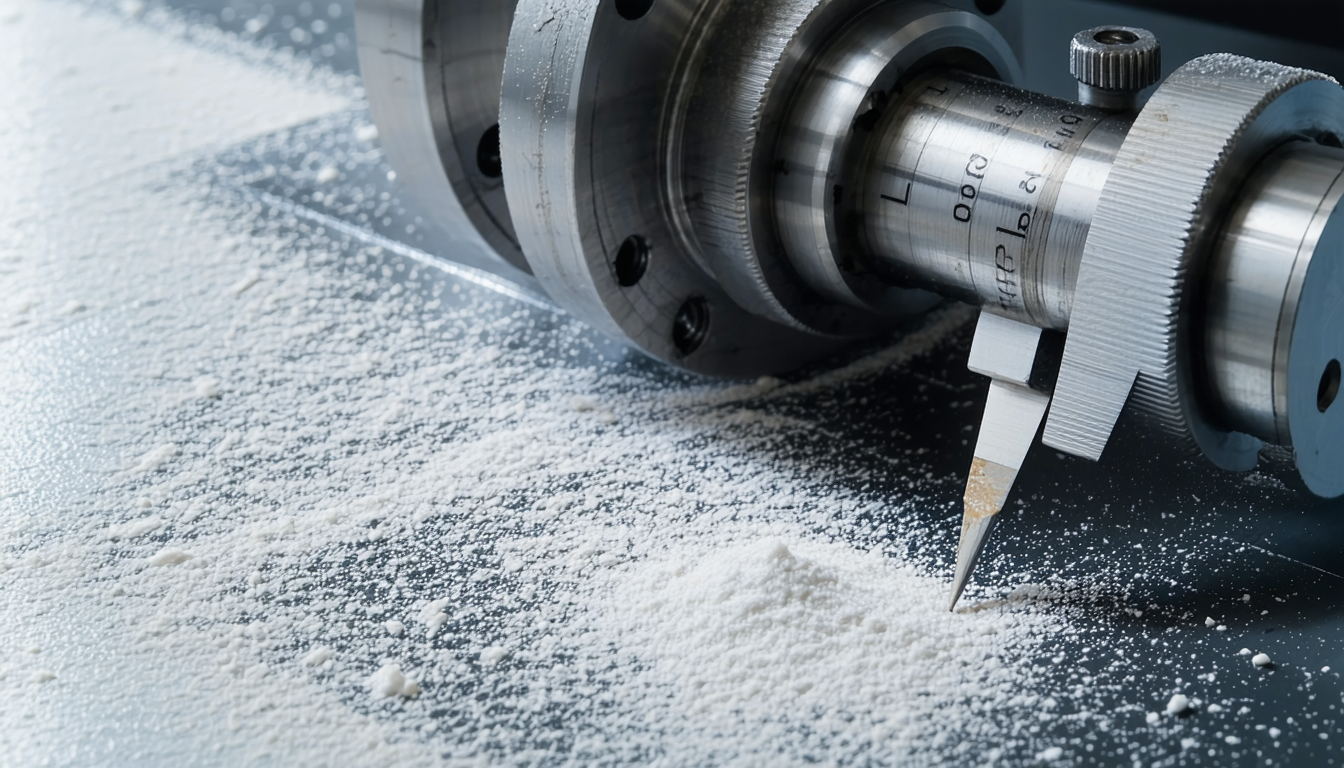
The dust accumulation threshold determines your cleaning frequency across all facility areas. OSHA NEP inspectors cite facilities when dust layers exceed 1/32 inch,the thickness of one-third of a dime. This threshold applies to all surfaces including floors, equipment housings, overhead beams, and ductwork.
Areas generating visible dust daily require cleaning every shift while low-generation areas need weekly inspection per NFPA 660 guidance. Your cleaning frequency must account for both dust generation rate and the time required for accumulation to reach the 1/32 inch threshold.
| Area Type | Dust Generation | Cleaning Frequency |
|---|---|---|
| Production floors | High (visible daily) | Every shift |
| Equipment surfaces | Medium (weekly buildup) | Twice weekly |
| Overhead structures | Low (monthly buildup) | Weekly inspection |
| Storage areas | Minimal | Monthly inspection |
| Ductwork exteriors | Variable | Based on inspection |
OSHA NEP inspectors measure compliance using visual assessment and calipers at multiple surface points. They focus on horizontal surfaces, equipment tops, and areas above normal cleaning reach. Inspectors document accumulation with photographs and measurements that become evidence in citation proceedings.
Your cleaning protocols must specify methods that won’t create dust clouds or static electricity. Compressed air cleaning is prohibited by NFPA 660 because it suspends particles and generates static discharge. Use HEPA-rated vacuums designed for combustible dust or wet cleaning methods that capture particles without creating airborne concentrations.
Document all cleaning activities with inspection logs showing areas cleaned, methods used, and accumulation levels found. This documentation demonstrates due diligence during OSHA inspections and insurance audits.
Engineering Controls That Eliminate Dust Before It Accumulates
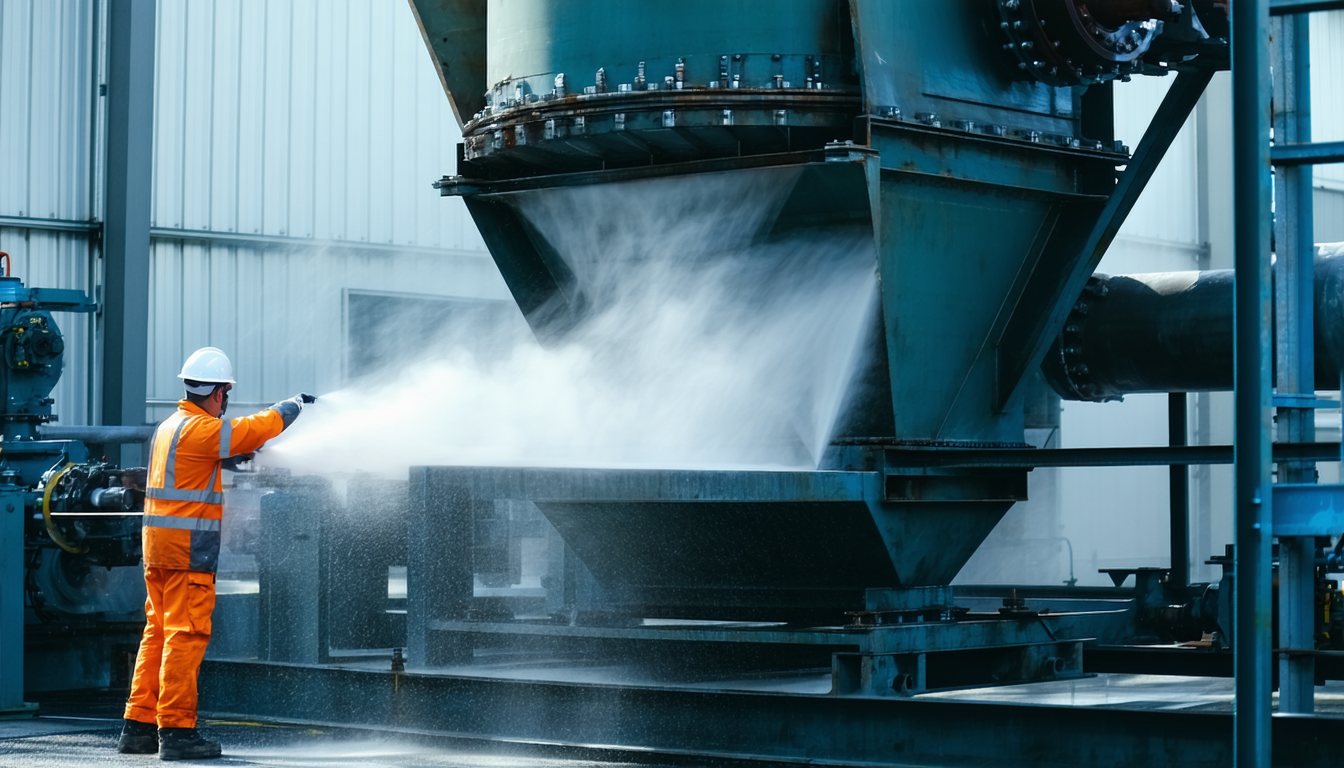
Engineering controls prevent dust accumulation by capturing particles at their source before they can settle on surfaces. These systems represent the most effective prevention approach because they eliminate the hazard rather than managing it through cleaning.
Properly sized dust collection systems capture 95% of generated particles at the source according to EPA guidance documents. The key engineering controls include:
- Local exhaust ventilation that captures dust at cutting, grinding, or material transfer points before particles become airborne
- Process enclosure systems that contain dust-generating operations within negative pressure environments connected to collection equipment
- Material handling modifications including enclosed conveyors, pneumatic transfer systems, and drop height reduction that minimize dust liberation
- Facility ventilation design that creates air movement patterns preventing dust settlement in dead air zones and overhead areas
- Equipment selection prioritizing enclosed processes, wet methods, and dust-suppression features over open operations that generate airborne particles
Dust collection system design must account for your specific particle characteristics and generation rates. Undersized systems fail to capture sufficient dust while oversized systems waste energy and may create static electricity issues. The collection equipment itself must comply with NFPA 660 requirements for explosion protection and electrical classification.
Combine engineering controls with administrative measures for complete prevention coverage. Even well-designed systems require maintenance, inspection, and backup procedures when equipment fails or operates outside design parameters.
Administrative Controls: Training, Permits, and Documentation

Administrative controls require systematic implementation through written procedures that all personnel follow consistently. These measures control ignition sources and human behaviors that could trigger dust explosions even when housekeeping maintains acceptable accumulation levels.
Hot work permits reduce ignition incidents by 78% in facilities with combustible dust according to Factory Mutual loss data. Implementation follows these steps:
- Develop written training programs covering dust explosion hazards, prevention measures, and emergency response procedures specific to your facility’s dust types and processes
- Establish hot work permit systems requiring atmospheric testing, fire watch assignments, and dust removal verification before welding, cutting, or other ignition source work begins
- Create contractor management procedures ensuring outside workers understand combustible dust hazards and follow your facility’s prevention protocols during maintenance or construction activities
- Implement inspection documentation systems with assigned responsibilities, completion verification, and corrective action tracking for all housekeeping and prevention activities
- Design incident response protocols covering immediate actions, notification requirements, and investigation procedures when dust clouds, near-misses, or equipment malfunctions occur
- Establish change management procedures requiring dust hazard evaluation whenever processes, materials, or equipment modifications could affect dust generation or accumulation patterns
Document all administrative control activities with dates, personnel involved, and specific actions taken. This creates the compliance record OSHA inspectors review during NEP enforcement and demonstrates your facility’s commitment to systematic hazard prevention.
Training records must show initial instruction, annual refresher completion, and competency verification for all affected personnel. Include contractors and temporary workers in your training program since they often lack familiarity with your facility’s specific hazards.
Ignition Source Control Methods That Actually Work

Ignition source control prevents dust explosion initiation by eliminating or controlling the energy sources that could ignite suspended particles or accumulated dust layers. Different ignition sources require specific control methods based on their energy characteristics and exposure patterns.
Mechanical sparks cause 32% of dust explosions while electrical sources account for 18% per CSB investigation data. Control effectiveness varies significantly by ignition type and implementation quality.
| Ignition Source | Primary Control | Effectiveness Rate |
|---|---|---|
| Mechanical sparks | Foreign object removal, bearing maintenance | 85% reduction |
| Electrical equipment | Class II Division 2 classification | 92% prevention |
| Static electricity | Grounding, bonding, humidity control | 78% reduction |
| Hot surfaces | Temperature monitoring, insulation | 90% prevention |
| Smoking/open flames | Designated areas, permit systems | 95+ prevention |
Electrical classification requires Class II Division 2 equipment in areas where combustible dust accumulation is prevented by normal operations but could occur during abnormal conditions. This covers most production areas with active housekeeping programs. Class II Division 1 classification applies where dust accumulation occurs during normal operations.
Static electricity control combines grounding, bonding, and humidity management. Ground all conductive equipment and bond interconnected components to eliminate voltage differences. Maintain relative humidity above 40% where possible to reduce static charge accumulation on non-conductive materials.
Hot work permits control flame and spark ignition sources by requiring atmospheric testing, dust removal, and fire watch procedures. The permit system ensures someone with authority evaluates ignition risk before work begins and maintains oversight during hot work activities.
Mechanical spark prevention focuses on foreign object exclusion, bearing lubrication, and alignment maintenance. Install magnetic separators and screens upstream of equipment that could generate sparks through metal contact.
What Training Does NFPA 660 Actually Mandate?

NFPA 660 Section 7.4 requires specific training for all personnel working in areas with combustible dust hazards. The standard mandates initial training covering dust explosion hazards, prevention measures, and emergency response procedures relevant to each worker’s assigned duties.
Annual refresher training is required for all personnel working in areas with combustible dust hazards per NFPA 660 requirements. Training content must address your facility’s specific dust types, processes, and prevention measures rather than generic dust explosion information.
The standard requires competency verification but doesn’t specify testing methods. Most facilities use written assessments, practical demonstrations, or supervisor observation to document training effectiveness. Training records must include completion dates, content covered, and competency verification methods.
Training must cover dust explosion hazards specific to your materials and processes. Include information about ignition sources, accumulation thresholds, and prevention measures workers encounter in their daily activities. Address emergency response procedures including evacuation routes, alarm recognition, and immediate actions when dust clouds occur.
Document all training with individual records showing initial instruction dates, annual refresher completion, and any additional training provided when job duties change or incidents occur. Include contractors and temporary workers since they often work in areas with combustible dust hazards but lack facility-specific knowledge.
Frequently Asked Questions
How do you measure the 1/32 inch dust accumulation threshold?
Use a coin test where dust depth equals one-third of a dime’s thickness, or measure with calipers at multiple points across surfaces. OSHA inspectors use this visual method during NEP inspections to determine citation risk.
Can compressed air be used for combustible dust cleaning?
NFPA 660 prohibits compressed air cleaning for combustible dust because it creates suspension clouds and generates static electricity. Use HEPA vacuums rated for combustible dust or wet cleaning methods instead.
Who can perform combustible dust training at my facility?
NFPA 660 requires trainers to demonstrate competency in dust explosion hazards but doesn’t specify credentials. Most facilities use certified safety professionals, fire protection engineers, or consultants with documented combustible dust experience.
How long do you have to implement a prevention program after identifying combustible dust?
NFPA 660 doesn’t specify implementation timelines, but OSHA typically allows 30-90 days for immediate hazards and longer periods for engineering controls. Consult a safety professional for timeline guidance specific to your citation risk.