Dust Collection Compliance

Recirculating Filtered Air: NFPA 660 Air Return Compliance
Industrial dust collector with HEPA filters and air ducts, in dramatic lighting.

Dust collector air recirculation seems like an energy-saving win until you discover NFPA 660’s strict conditions that make outdoor exhaust the safer choice for most facilities. Key Takeaways: NFPA 660 Section 8.5 permits air recirculation only when exposure limits stay below 25% of OSHA PEL HEPA secondary filtration capturing 99.97% of particles at 0.3 microns … Read more
Dust Collection Grounding and Bonding: Preventing Static Ignition

Cinematic view of dust collection system with PVC pipes and grounding elements.

Dust collector grounding requirements confuse engineers who still ask about grounding PVC ductwork for combustible dust, which proves they don’t understand what grounding does. You cannot ground an insulator. PVC accumulates static charge because it blocks electrical flow to ground. Key Takeaways: PVC cannot be grounded because insulators don’t conduct electricity, the grounding wire myth … Read more

Enclosureless Dust Collectors: NFPA Requirements and Limitations

Exposed filter elements of a dust collector under dramatic lighting.

Enclosureless dust collector systems promise simplified compliance, but NFPA 660 Chapter 24 restricts their use to such narrow conditions that most facilities can’t legally use them for combustible dust applications. Key Takeaways: NFPA 660 permits enclosureless collectors only for wood dust with weight limits of 1,000 pounds and volume limits of 500 cubic feet DHA … Read more

Industrial Dust Collector Cost: Budgeting for a Compliant System

Industrial dust collector in factory with dramatic lighting and volumetric fog.

Industrial dust collector cost planning gets complicated fast when NFPA 660 explosion protection requirements turn your $50,000 equipment budget into a $150,000 project. Most quotes exclude the safety systems that combustible dust handling requires. Key Takeaways: Basic dust collector equipment runs $15,000-$200,000 depending on CFM, but explosion protection adds 40-120% to total project cost Installation … Read more

Combustible Dust Vacuum Requirements: What Makes a Vacuum Compliant

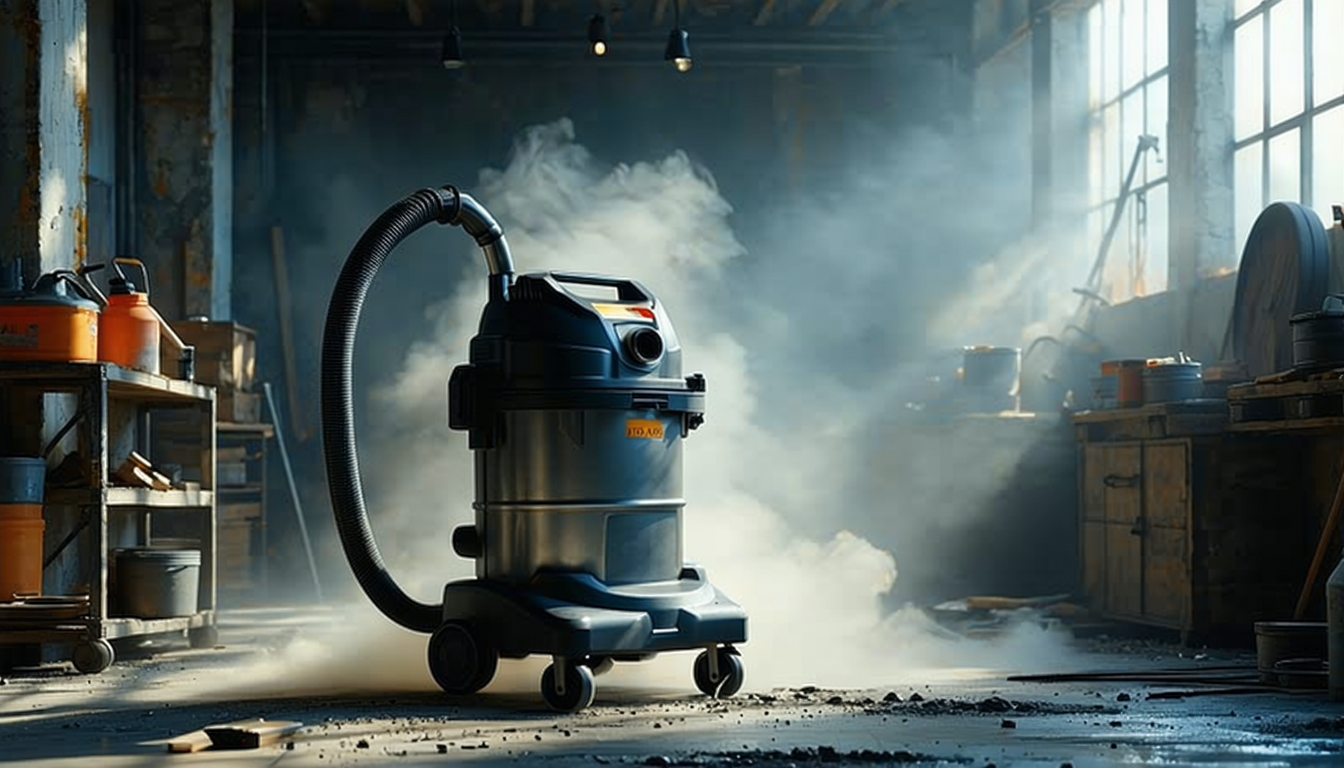
Metal shop vacuum in workshop, dramatic lighting, fog simulating dust.

Combustible dust vacuum requirements separate life-safety equipment from disaster-waiting-to-happen. Standard shop vacuums are ignition sources disguised as cleaning equipment, their plastic bodies build static charges that can trigger the dust explosions you’re trying to prevent. Key Takeaways: Standard shop vacuums create static charges above 3,000 volts, enough to ignite most combustible dusts with MIE values … Read more

Baghouse vs Cartridge Dust Collector for Combustible Dust: Complete Performance Comparison

Industrial baghouse and cartridge dust collectors with airborne particles.

The baghouse vs cartridge dust collector decision shapes whether your combustible dust collection system meets NFPA 660 requirements or creates compliance gaps that insurance auditors flag. Your choice determines explosion protection costs, floor space needs, and long-term operating expenses. Key Takeaways: Cartridge collectors require 60-70% less floor space than baghouse systems but cost 15-25% more … Read more

Combustible Dust Collection Systems: NFPA Compliance Guide

High-tech dust collection system in an industrial facility with dramatic lighting and fog.

Over half of all combustible dust explosions happen inside dust collectors, the equipment facilities think protects them. Combustible dust collection compliance under NFPA 660 requires specific transport velocities, explosion protection, and filtration standards most systems don’t meet. Key Takeaways: NFPA 660 Section 7.1.2 requires transport velocities of 3,500+ FPM for wood dust, most systems run … Read more