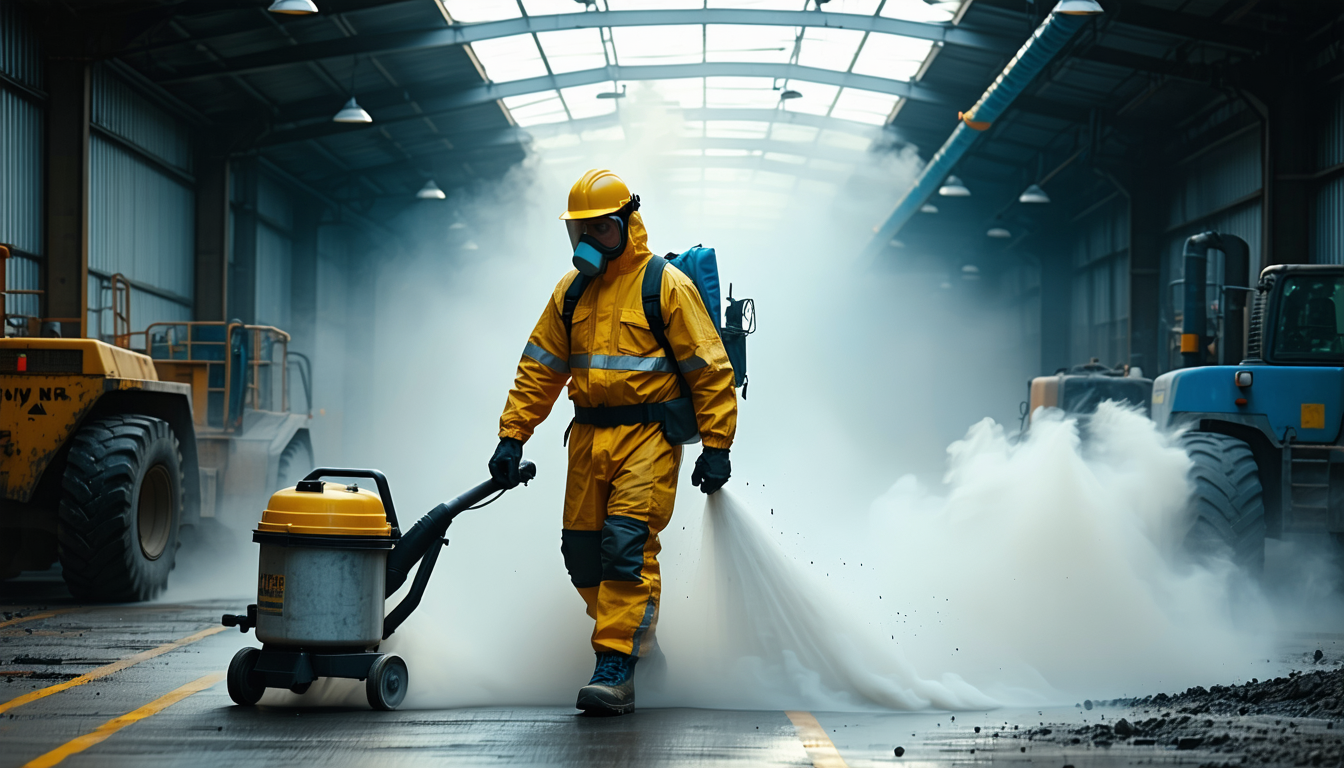
Combustible dust removal requires specific methods and equipment, your shop vac is an ignition source waiting to happen when combustible dust is involved. Every facility dealing with combustible dust faces the same challenge: how to maintain the 1/32-inch accumulation threshold without triggering the explosion you’re trying to prevent.
Key Takeaways:
- Compressed air and regular vacuums can trigger dust explosions, 42% of combustible dust incidents trace to improper cleaning methods
- NFPA 660 requires specific vacuum construction including anti-static components and HEPA filtration rated at 99.97% efficiency
- Wet cleaning reduces the 1/32-inch dust accumulation threshold 80% faster than approved vacuum methods
Why Is Compressed Air Prohibited for Combustible Dust Cleaning?
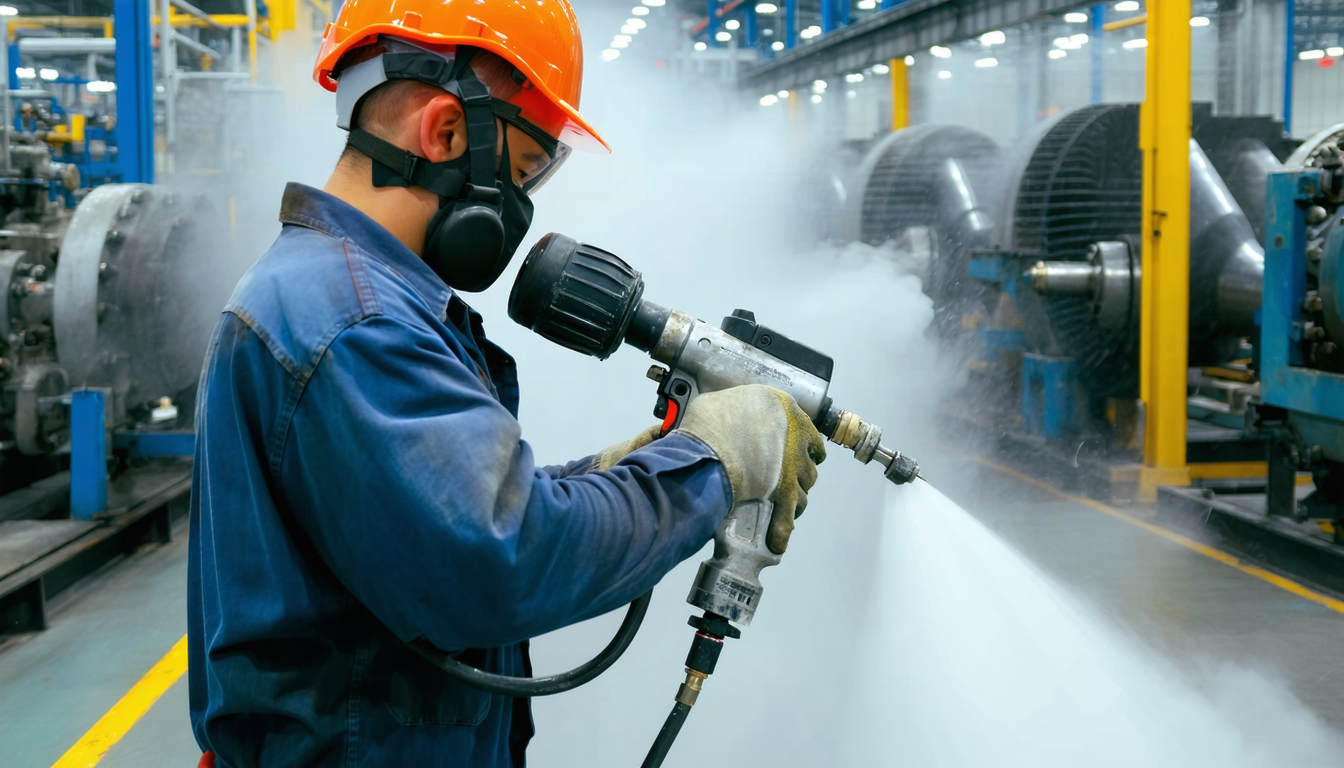
Compressed air cleaning is an ignition source. This means every time you blow dust off equipment with your plant air supply, you create the exact conditions that trigger dust explosions.
Compressed air flow generates static discharge capable of 15,000+ volts. When you direct that airstream at accumulated combustible dust, three things happen simultaneously: the air creates static electricity through friction, it suspends dust particles into an explosive cloud, and it provides the ignition energy to detonate that cloud.
NFPA 660 Section 7.1.3 explicitly prohibits compressed air for dust removal in areas where combustible dust accumulates. The standard doesn’t provide exceptions for “quick cleaning” or “low-pressure” air. Any compressed air cleaning in combustible dust areas violates the standard.
The suspended dust cloud creates the explosion hazard. Compressed air doesn’t just move dust, it creates the perfect fuel-air mixture that explosions require. Particles that were safely settled become airborne at concentrations above the minimum explosive concentration.
You need alternative methods that remove dust without suspension or static generation. NFPA 660 approves three cleaning methods: specialized vacuum systems, wet cleaning, and manual removal with anti-static tools.
Which Cleaning Methods Are Approved for Combustible Dust Removal?
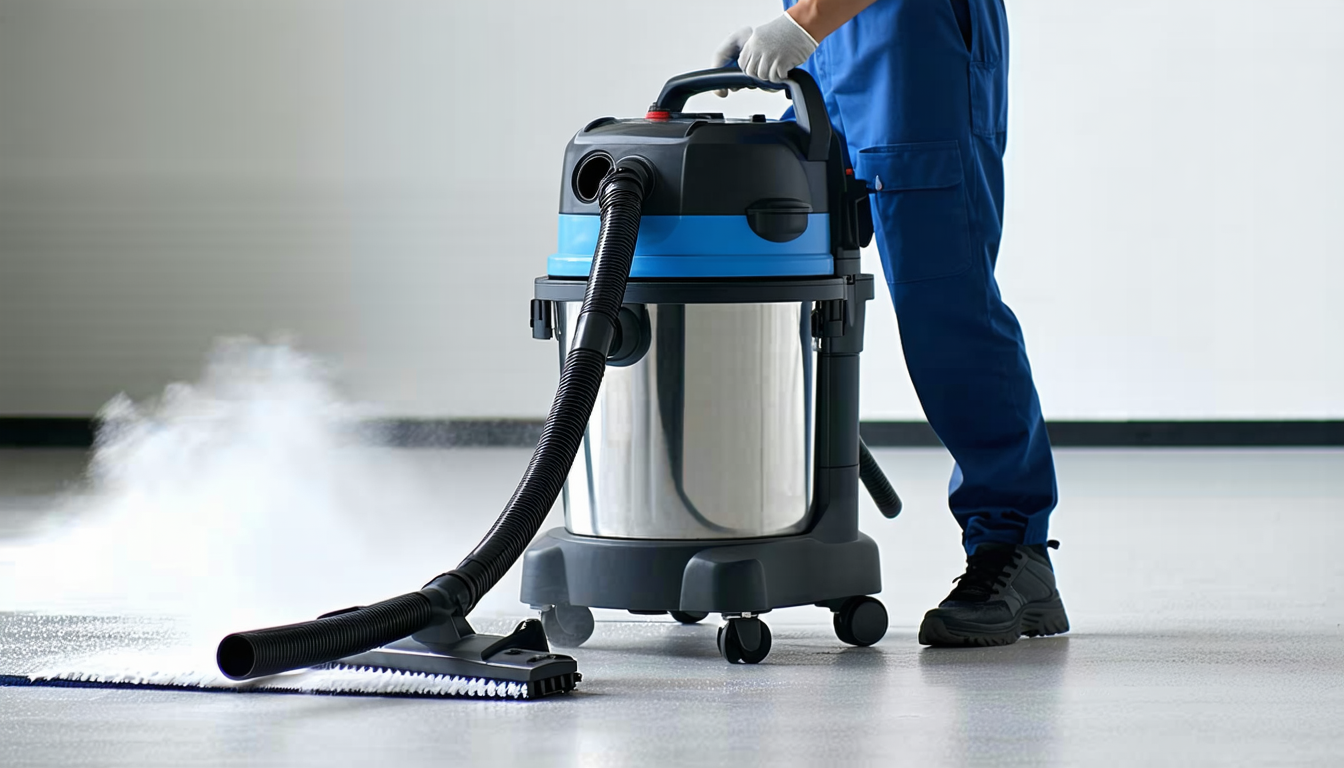
NFPA 660 Section 7.1.2 specifies three acceptable cleaning methods for facilities handling combustible dust materials.
| Method | Equipment Required | Best Application | Effectiveness |
|---|---|---|---|
| NFPA 660 Compliant Vacuum | Anti-static construction, HEPA filtration, grounded motor | Dry dust on accessible surfaces | Removes 95% of visible accumulation |
| Wet Cleaning | Water/approved solutions, anti-static cloths, grounded tools | Areas where electrical hazards are controlled | Removes 99% of accumulation, prevents suspension |
| Manual Removal | Anti-static brushes, non-sparking tools, grounded containers | Delicate equipment, confined spaces | Variable effectiveness, 80-90% typical |
Vacuum cleaning works best for routine maintenance when you have proper equipment. The vacuum must meet specific construction standards including anti-static hoses, grounded motors, and HEPA filtration. Regular shop vacuums create static electricity and lack the filtration needed to prevent dust re-entrainment.
Wet cleaning provides the highest effectiveness for dust removal. Water prevents dust particles from becoming airborne and eliminates static electricity generation. You must verify electrical safety before applying wet methods near powered equipment.
Manual removal becomes necessary in areas where vacuum access is limited or wet cleaning creates contamination concerns. Anti-static brushes and non-sparking scrapers remove accumulated dust without generating ignition sources.
Each method requires specific training for safe application. Your housekeeping program must specify which method applies to each area of your facility based on dust type, accumulation patterns, and equipment access.
What Makes a Vacuum Compliant for Combustible Dust?
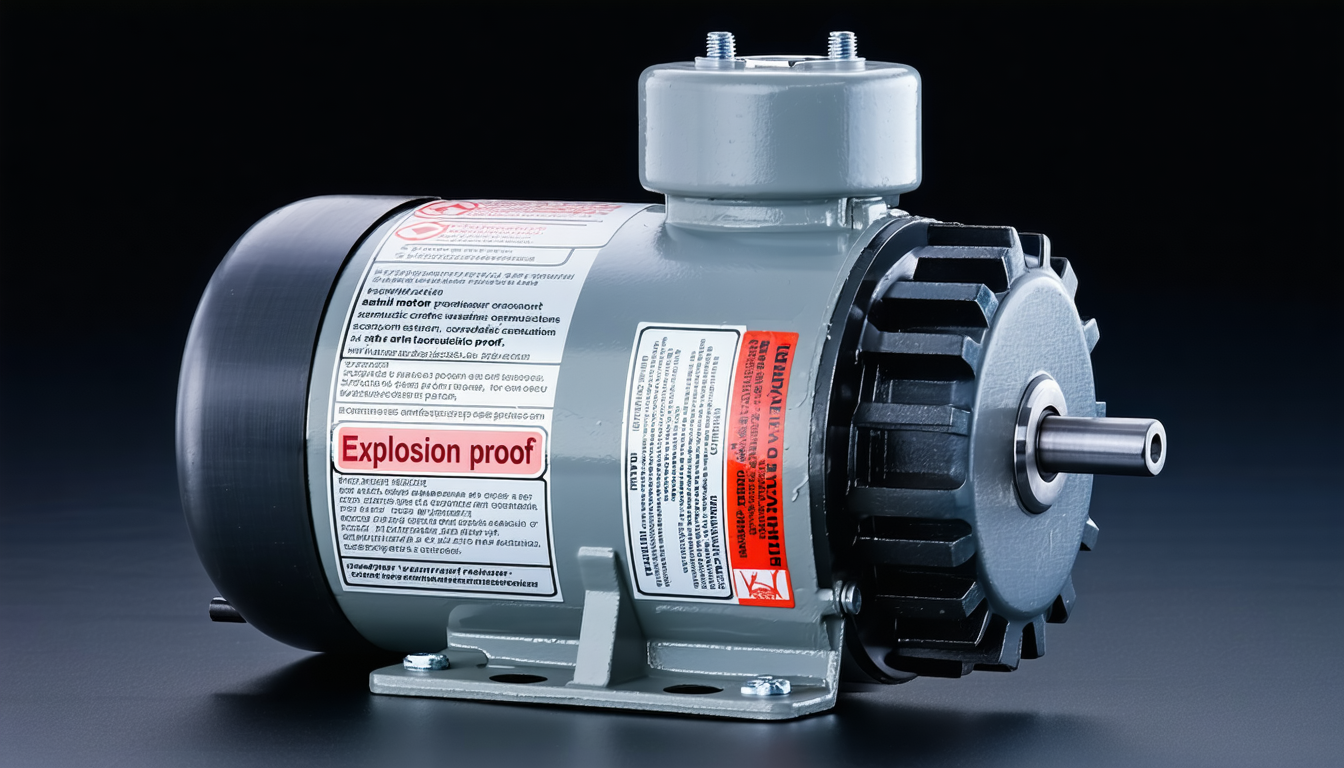
Compliant vacuums require anti-static construction throughout the entire system. Here’s how to verify your vacuum meets NFPA 660 requirements:
Check motor construction for explosion-proof or dust-ignition-proof rating. The motor housing must prevent internal sparks from igniting external dust clouds.
Verify HEPA filtration achieves 99.97% efficiency on 0.3 micron particles. Standard shop vacuum filters allow fine particles to pass through and re-enter the workspace.
Confirm all hoses and attachments use anti-static materials. Static electricity builds up in plastic hoses during dust pickup, compliant systems use conductive materials that dissipate charge.
Test grounding and bonding connections between all system components. Every metal part must connect to facility ground to prevent charge accumulation.
Look for certification markings from recognized testing laboratories. UL, CSA, or equivalent certifications verify the vacuum meets combustible dust safety standards.
Document filter replacement schedules based on manufacturer specifications. Clogged filters reduce airflow and can overheat, creating ignition sources.
The certification markings matter more than manufacturer claims. A vacuum labeled “industrial” or “heavy duty” doesn’t meet combustible dust requirements without proper testing certifications.
You cannot modify a standard vacuum to make it compliant. Anti-static construction must be built into the original design, retrofitting creates safety gaps that testing hasn’t verified.
How Do You Apply Wet Cleaning Methods Without Creating New Hazards?
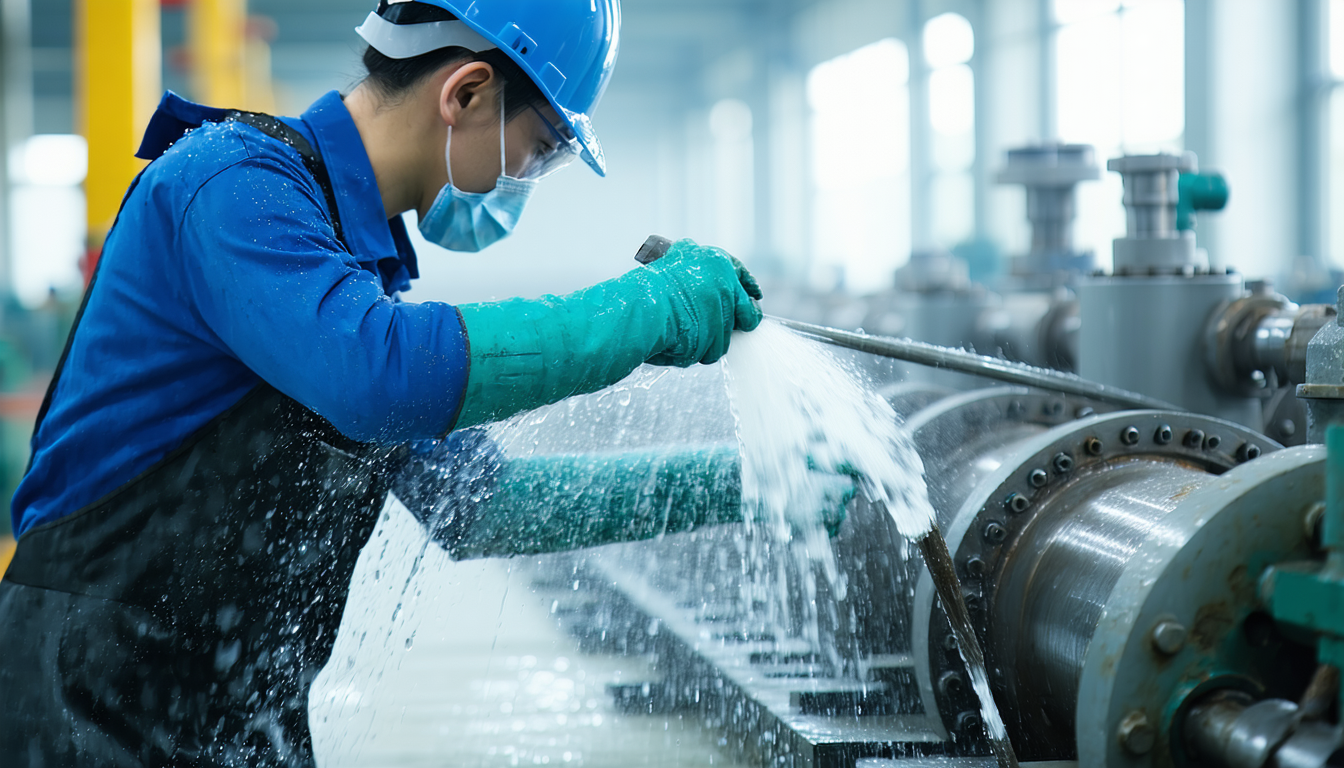
Wet cleaning eliminates dust suspension risk by keeping particles bound to surfaces during removal. Moisture content above 12% prevents most dust from becoming airborne during the cleaning process.
Electrical safety comes first with wet cleaning methods. You must verify power isolation to all equipment before applying water or cleaning solutions. Wet conditions around energized electrical equipment create electrocution hazards that outweigh dust explosion risks.
Chemical compatibility determines which cleaning solutions work with your dust material. Some dusts react with water to create heat, toxic gases, or corrosive compounds. Test small areas first and consult safety data sheets before large-scale wet cleaning.
Drying time affects both safety and effectiveness. Surfaces must dry completely before re-energizing electrical equipment. Extended moisture exposure can damage bearings, seals, and electrical components in production equipment.
Containment prevents wet dust from spreading to clean areas. Use absorbent materials to capture runoff and prevent wet dust slurry from reaching floor drains or other areas where it can accumulate and create new hazards.
Wet methods work best for scheduled maintenance cleaning rather than daily housekeeping. The electrical isolation and drying time requirements make wet cleaning impractical for routine dust removal during production hours.
What Cleaning Mistakes Actually Cause Combustible Dust Incidents?

OSHA incident database shows 67% of cleaning-related dust explosions involved non-compliant equipment or procedures. These mistakes create the ignition sources that turn routine cleaning into explosion triggers:
Using regular shop vacuums without anti-static construction generates static electricity during dust pickup. The plastic hoses and non-grounded motors create charge buildup that sparks when you disconnect hoses or empty collection bins.
Cleaning during production hours when ignition sources are active puts airborne dust in contact with hot surfaces, electrical equipment, and mechanical sparks from running machinery.
Failing to ground cleaning equipment allows static charge accumulation on metal tools, vacuum systems, and collection containers. Ungrounded equipment becomes a walking ignition source.
Mixing different dust types during cleaning can create more explosive combinations than either dust alone. Some dusts that are marginally combustible become highly explosive when mixed with other materials.
Cleaning without proper PPE exposes workers to health hazards and reduces their ability to work safely. Poor visibility from dust clouds leads to accidents that create mechanical sparks.
Storing collected dust in non-approved containers allows static buildup in collection bins. Plastic garbage bags and cardboard boxes generate static during handling and provide fuel for sustained fires.
Cleaning overhead areas without controlling dust fall patterns spreads contamination to clean areas below and creates suspension clouds throughout the workspace.
Using compressed air “just once” for quick cleaning violates NFPA 660 and creates immediate explosion risk. There are no safe exceptions to the compressed air prohibition.
Each mistake compounds the others. Workers who use non-compliant equipment often skip other safety procedures, creating multiple failure points in the same cleaning operation. Your combustible dust training must address why each procedure exists and what happens when shortcuts create hazards.
Which Surfaces Require Different Combustible Dust Cleaning Approaches?
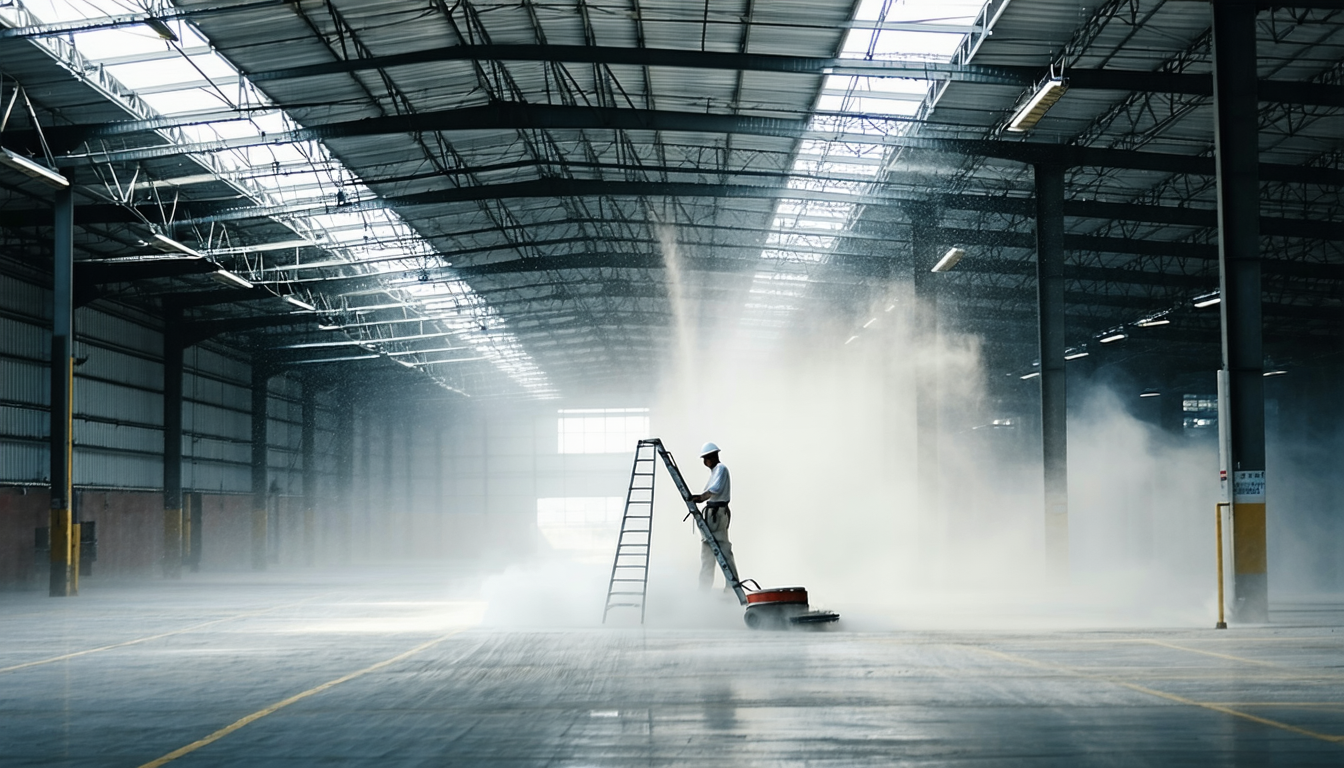
Surface type determines cleaning method selection based on access, electrical safety, and accumulation patterns. Overhead surfaces accumulate dust 40% faster than floor-level areas due to settling patterns and air currents.
| Surface Type | Primary Method | Accumulation Rate | Cleaning Frequency |
|---|---|---|---|
| Production Equipment | Compliant vacuum during shutdown | 1/32″ in 3-5 days | Weekly inspection, cleaning as needed |
| Overhead Beams/Ductwork | Manual removal with extension tools | 1/32″ in 2-3 days | Bi-weekly scheduled cleaning |
| Electrical Panels/Conduit | Dry brush with anti-static tools | 1/32″ in 7-10 days | Monthly during maintenance windows |
| Floor Areas | Wet cleaning or compliant vacuum | 1/32″ in 5-7 days | Daily housekeeping, deep clean weekly |
Production equipment requires shutdown procedures for safe cleaning access. You cannot clean energized equipment with wet methods, and vacuum cleaning near rotating machinery creates entanglement hazards. Schedule equipment cleaning during planned maintenance windows.
Electrical areas need dry cleaning methods to prevent shock hazards. Anti-static brushes and manual removal tools work best around electrical panels, conduit, and control equipment. Never apply wet cleaning methods to energized electrical installations.
Overhead surfaces present access challenges that affect method selection. Extension tools for manual cleaning work better than trying to maneuver vacuum equipment on ladders. Fall protection requirements may limit cleaning options in high areas.
Floor areas tolerate wet cleaning methods better than elevated surfaces. Water runoff can be controlled and contained during floor cleaning, making wet methods the most effective choice for large floor areas with heavy accumulation.
Frequently Asked Questions
Can I modify a regular shop vac to make it safe for combustible dust?
No, you cannot retrofit a regular vacuum for combustible dust safety. Compliant vacuums require specific motor construction, anti-static hoses, and HEPA filtration built into the original design. Modifications void safety certifications and create liability issues.
How often should I clean combustible dust to stay below the 1/32-inch threshold?
Cleaning frequency depends on your dust generation rate and accumulation patterns. Most facilities need weekly cleaning in high-generation areas and monthly cleaning in low-accumulation zones. Document actual accumulation rates through measurement to establish your facility-specific schedule.
What happens if OSHA finds I used compressed air to clean combustible dust?
OSHA will cite this under the General Duty Clause as a recognized hazard with feasible abatement methods. Citations range from $7,000-$13,653 per violation. Repeat violations or incidents involving injuries can trigger willful citations exceeding $130,000.