DustRisk Blog

Combustible dust compliance guidance, NFPA standard updates, and incident analysis.

Explosion Isolation Valves: Preventing Deflagration Propagation in Ductwork
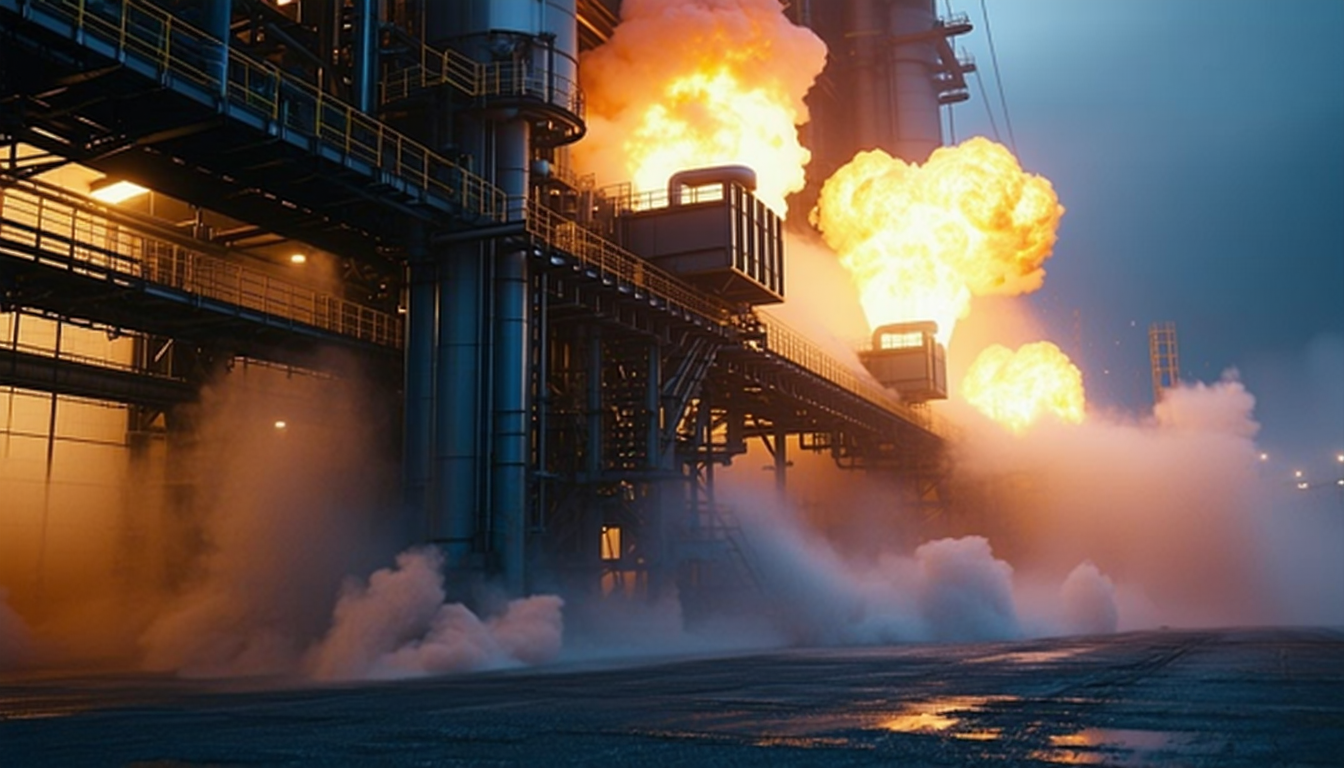
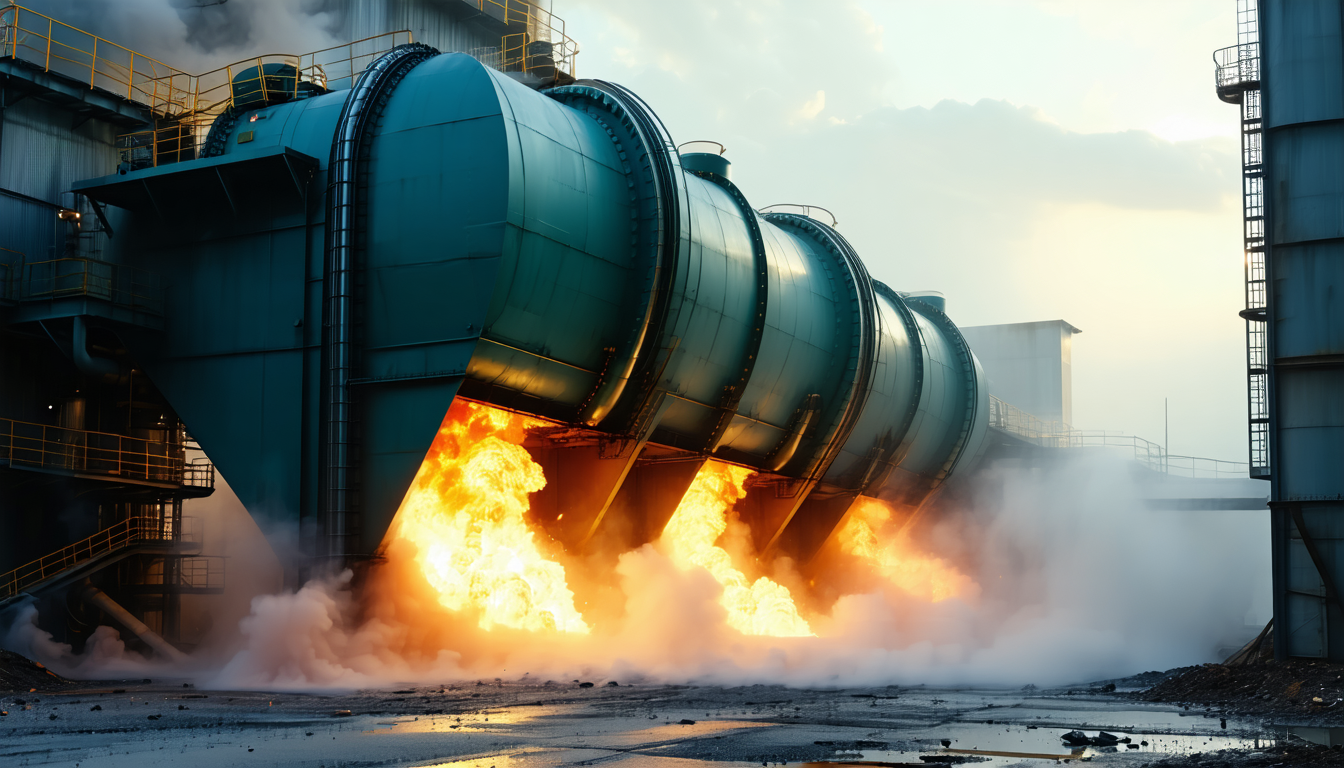
Explosion isolation valve in dramatic industrial setting with ductwork.

Explosion isolation valve dust collector systems face a brutal timing challenge. Explosion venting protects your dust collector, but deflagration flames travel at 300+ meters per second through ductwork, faster than any mechanical valve can close. Key Takeaways: Deflagration propagates through ductwork in under 100 milliseconds, requiring isolation response times of 20-50ms Fast-acting butterfly valves handle … Read more
Flameless Explosion Venting: When You Need It and How It Works

Industrial facility with a flameless explosion vent on a dust collector.

Flameless explosion venting solves the problem of standard explosion vents shooting flames 30+ feet from discharge points. This creates major clearance issues when your dust collector sits indoors next to combustible materials or personnel work areas. Key Takeaways: Flameless vents combine a flame arrestor with standard vent panels, stopping external flame projection while maintaining deflagration … Read more

Explosion Vent Panels for Dust Collectors: Sizing, Selection, and Compliance

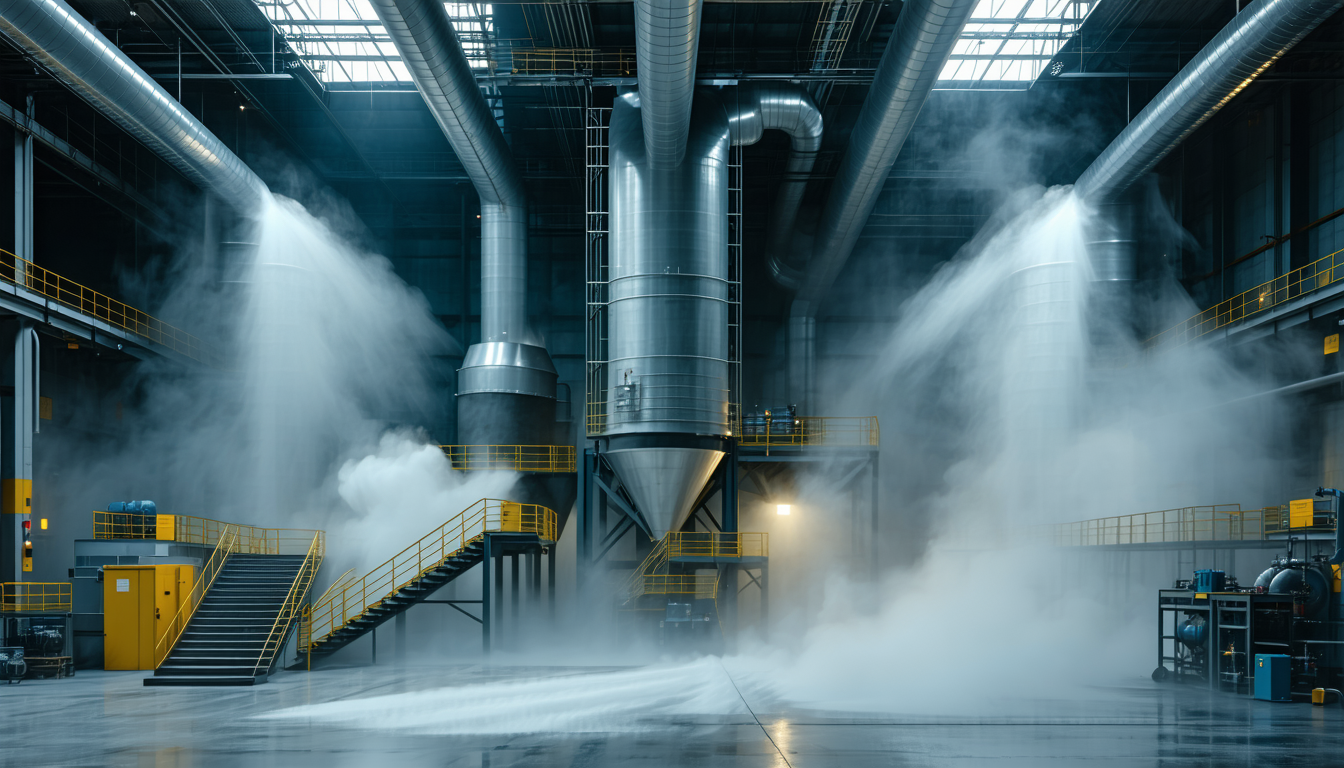
Dust collector with explosion vent panels releasing pressure in a deflagration.

Most dust collector explosion vent systems fail because facilities treat vent panels as an afterthought rather than an engineered safety system. Your collector’s life depends on proper vent sizing and placement. Key Takeaways: Vent area calculation requires your dust’s Kst value, collector volume, and target Pred pressure, guessing any variable creates compliance gaps Pstat burst … Read more

Dust Explosion Protection: Venting, Suppression, and Isolation Compared

Industrial facility with explosion vent panels releasing gases during a dust explosion.

Dust explosion protection systems fail to prevent half of all combustible dust incidents, explosions that happen inside the very equipment facilities install thinking it makes them safer. The problem isn’t the technology. It’s choosing the wrong protection method for your specific situation. Key Takeaways: Explosion venting costs $2,000-15,000 per unit but only protects the vented … Read more

Combustible Dust Risk Assessment: From DHA Findings to Action Plan

Worker inspects machinery in dusty, dramatic lighting with fog.

Combustible dust risk assessment starts when your Dust Hazard Analysis report sits on your desk, 47 pages of findings, gaps, and recommendations that need to become actual work orders with budgets and deadlines. The gap between DHA completion and real compliance action kills most safety programs. Key Takeaways: Risk ranking puts life safety gaps first, … Read more

Combustible Dust Hazard Assessment Checklist: Prepare for Your DHA

Industrial facility with dust collectors and safety signage in dramatic lighting.

Every combustible dust hazard assessment checklist starts with this reality: Your DHA consultant charges $250 per hour and facility tours that should take two hours stretch to six when you can’t find basic documentation. Key Takeaways: Pre-DHA preparation reduces consultant time by 40-60% according to major EHS consulting firms NFPA 660 requires 11 specific data … Read more

Dust Hazard Analysis Cost: What to Budget for DHA Compliance

Industrial facility with dust particles and dramatic lighting.

Dust hazard analysis cost puzzles most EHS managers because insurance auditors demand DHA documentation, but facilities have no idea what they’re about to spend or why quotes vary by 400% between consultants. Key Takeaways: Complete DHA costs range from $8,000 for simple facilities to $75,000+ for multi-building chemical plants Laboratory testing accounts for 15-30% of … Read more

Combustible Dust Testing Labs: How to Choose and What to Expect

Scientists in a lab testing combustible dust with advanced equipment.

Combustible dust testing labs near me waste $3,000+ because facilities choose based on price instead of accreditation scope. Most environmental labs lack the specific certifications needed for explosibility testing. Key Takeaways: ISO 17025 accreditation for combustible dust testing costs 15-30% more but prevents invalid results that force retesting Major U.S. testing labs charge $800-2,400 per … Read more

Combustible Dust Testing: What Tests You Need and What Results Mean

Technician collecting combustible dust samples in a lab with dramatic lighting.

Combustible dust testing confuses facility managers who get wildly different lab quotes without clear explanations of what the numbers mean for their operations. Key Takeaways: Five core tests measure different explosion characteristics, Kst and Pmax for severity, MEC for concentration thresholds, MIE for ignition sensitivity, and MIT for temperature limits Proper sample collection requires 50-100 … Read more

Dust Hazard Analysis: Complete Guide to the DHA Process

Worker in protective gear inspecting machinery with dust in dramatic lighting.

Combustible dust hazard analysis requirements just hit your inbox with an 18-month deadline. You need DHA documentation that meets NFPA 660 standards, but nobody explained what that means or how to get it done. Key Takeaways: NFPA 660 Chapter 7 requires a DHA within 18 months of standard adoption for facilities with combustible dust A … Read more