
Combustible dust testing confuses facility managers who get wildly different lab quotes without clear explanations of what the numbers mean for their operations.
Key Takeaways:
- Five core tests measure different explosion characteristics, Kst and Pmax for severity, MEC for concentration thresholds, MIE for ignition sensitivity, and MIT for temperature limits
- Proper sample collection requires 50-100 grams of representative dust collected from multiple locations during normal operations, not cleanup activities
- Test results directly determine your facility’s explosion protection requirements under NFPA 660, higher Kst values trigger more expensive protection systems
Which Tests Does Your Dust Actually Need?
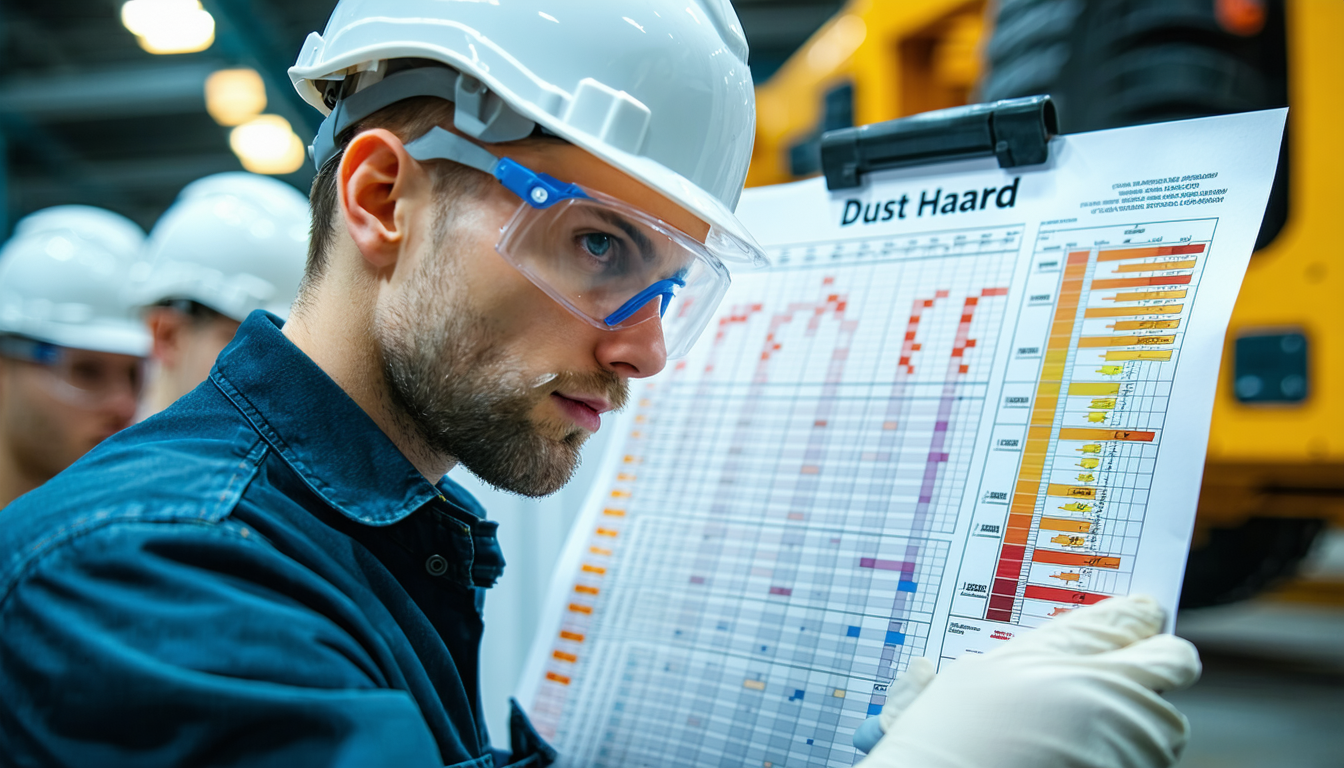
Your combustible dust hazard analysis starts with determining which tests your facility needs. Test requirements vary by facility risk assessment needs, not by what labs want to sell you.
Combustibility screening comes first. The go/no-go test answers one question: can your dust explode? This binary test determines if you need the full explosibility test parameter suite or can stop worrying about dust explosions entirely.
If your dust passes the go/no-go screening (meaning it can explode), you need parameter testing to design protection systems. NFPA 660 requires specific explosion characteristics to calculate vent areas, select suppression systems, and set operational limits.
Here’s what different testing levels cost and when you need them:
| Test Level | Cost Range | When Required | NFPA 660 Use |
|---|---|---|---|
| Go/No-Go Screening | $300-600 | Initial determination | Combustibility confirmation |
| Basic Parameter Suite | $1,500-2,500 | Equipment design | Vent sizing calculations |
| Full Explosibility Testing | $2,500-4,000 | Complex processes | Complete protection design |
| Maintenance Testing | $800-1,200 | Material changes | Updated DHA documentation |
Most facilities start with go/no-go screening. If your dust fails (proves combustible), you move to parameter testing. The specific parameters you need depend on your protection strategy, venting requires different data than suppression systems.
One thing I should mention: don’t let labs oversell you on every possible test. Focus on the parameters your protection system design actually needs.
How to Collect and Ship Combustible Dust Samples

Proper sample collection ensures accurate test results. Contaminated or unrepresentative samples waste money and give you wrong protection system specifications.
Samples require 50-100 grams collected from at least 3 different process locations during normal production. Here’s the collection procedure:
Collect during normal operations. Take samples while equipment runs at typical production rates, not during maintenance or cleanup. The dust in your process stream behaves differently than settled dust you sweep up.
Sample multiple locations. Collect from the baghouse, cyclone discharge, and product transfer points. Dust characteristics change as particles travel through your system due to size segregation and moisture absorption.
Use clean, dry containers. Glass jars or metal cans work best. Plastic bags can generate static electricity and contaminate samples with additives. Label each container with location, date, and process conditions.
Ship within 48 hours. Dust properties change with age due to moisture absorption and oxidation. Express shipping prevents property degradation that skews test results.
Include chain of custody documentation. List collection locations, times, process conditions, and any recent material changes. This information helps labs interpret unusual results.
Follow shipping regulations. Most carriers require combustible dust samples to be declared as hazardous materials. Your dust testing laboratory can provide proper shipping containers and documentation.
Avoid these collection mistakes: don’t mix samples from different locations, don’t collect from housekeeping activities, and don’t let samples sit for weeks before shipping. These errors produce test results that don’t match your actual process conditions.
What Do Kst and Pmax Results Tell You About Explosion Risk?

Kst is the explosion violence parameter that measures how fast pressure rises during a dust explosion. This number determines your dust classification categories and protection requirements under NFPA 660.
Pmax measures the maximum pressure your dust can generate during an explosion in a closed vessel. These two parameters together define your explosion severity and drive protection system selection.
Kst values determine dust classification categories. St-1 dusts have Kst values under 200, St-2 range from 200-300, and St-3 exceed 300 bar-m/s. Each classification triggers different protection requirements.
St-1 dusts include most food products like flour and sugar. These materials explode slowly enough that standard explosion venting can protect equipment. Vent panels open before pressure builds to dangerous levels.
St-2 dusts include many wood and plastic powders. These materials explode faster and generate higher pressures. Protection systems need larger vent areas or faster response times to prevent equipment damage.
St-3 dusts include aluminum and magnesium powders. These explode with extreme violence that can destroy equipment even with properly sized vents. Most St-3 applications require explosion suppression instead of venting.
Pmax values typically range from 6-10 bar for organic dusts. Higher Pmax values mean stronger equipment construction requirements. Your DHA documentation must include both parameters to calculate protection system specifications correctly.
Actually, these numbers mean nothing without proper context. A high Kst value matters only if you have sufficient dust concentration and an ignition source. That’s where the other parameters come in.
MEC, MIE, and MIT Testing: What These Parameters Measure
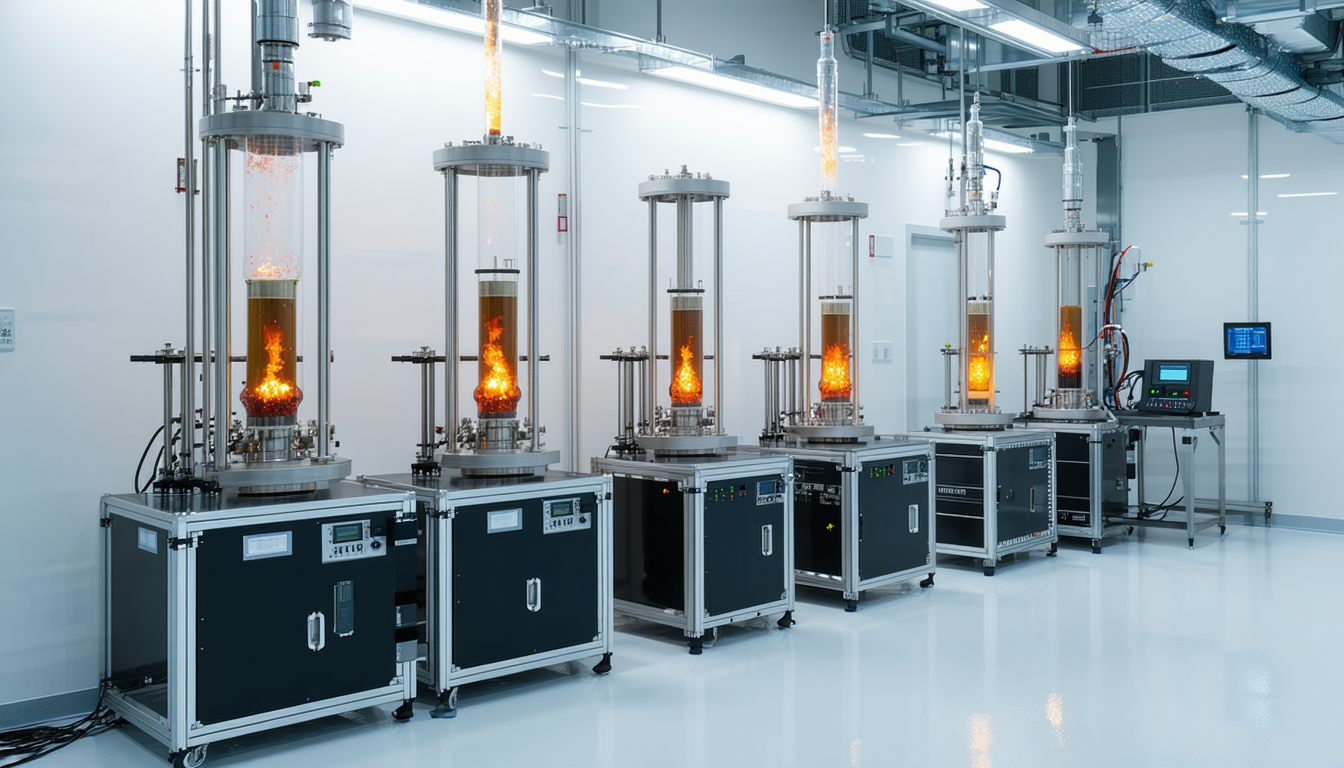
Ignition sensitivity parameters define operational safety limits that prevent explosions from starting. These three tests measure how easily your dust ignites under different conditions.
These parameters set your facility’s safety margins:
MEC (Minimum Explosible Concentration) measures the lowest dust concentration that can explode. Most organic dusts have MEC values between 20-60 g/m³, while metal dusts can be explosive at concentrations as low as 10 g/m³. This value determines your housekeeping frequency and capture velocity requirements.
MIE (Minimum Ignition Energy) measures the smallest spark that can ignite your dust cloud. Values range from less than 1 millijoule for sensitive dusts to over 1000 millijoules for difficult-to-ignite materials. Lower MIE values require more stringent electrical equipment selection and static electricity control.
MIT Cloud (Minimum Ignition Temperature) measures the lowest surface temperature that ignites suspended dust. Most organic dusts ignite between 400-600°C. This sets maximum allowable surface temperatures for heaters, motors, and hot process equipment.
MIT Layer measures ignition temperature for settled dust layers. Layer ignition temperatures run 100-200°C lower than cloud temperatures because settled dust acts as insulation. This parameter determines cleaning frequencies and equipment temperature monitoring requirements.
These values work together to define your explosion prevention strategy. High MEC values allow more dust accumulation before reaching explosive concentrations. High MIE values permit standard electrical equipment in dust areas. High MIT values reduce hot surface temperature restrictions.
Low parameter values mean tighter operational controls. Dusts with MEC below 30 g/m³ need daily housekeeping. Materials with MIE under 10 millijoules require intrinsically safe electrical equipment. MIT values under 200°C limit bearing temperatures and process heating.
How Test Results Drive Your Explosion Protection Requirements

Explosibility test parameter suite results determine required protection system specifications under NFPA 660. Your test numbers directly calculate equipment specifications and operational limits.
Test parameter values determine required protection system specifications through specific calculation methods. Here’s how each parameter drives protection requirements:
| Parameter | Value Range | NFPA 660 Requirement | DHA Documentation Need |
|---|---|---|---|
| Kst > 300 | St-3 Classification | Suppression systems required | Explosion violence assessment |
| MIE < 10 mJ | High sensitivity | Intrinsically safe electrical | Static electricity control plan |
| MIT < 200°C | Low ignition temperature | Temperature monitoring systems | Hot surface inventory |
| MEC < 30 g/m³ | Low explosive threshold | Enhanced housekeeping program | Dust accumulation limits |
Kst values drive vent sizing calculations using the formula Av = (Pred/Pstat) × (V^(2/3)) × (Kst/C). Higher Kst means larger vent areas or stronger enclosure construction. Dusts with Kst above 300 require explosion suppression systems rather than venting for indoor equipment.
MIE values affect electrical equipment selection throughout dust handling areas. Values below 3 millijoules require Class II Division 1 electrical equipment. Values above 1000 millijoules allow standard industrial equipment with proper enclosures.
MIT results set hot surface temperature limits for all equipment in dust areas. Process heaters, motor bearings, and conveyor components must stay below the measured ignition temperature with appropriate safety margins.
MEC values determine housekeeping frequency and dust capture system design. Lower MEC means more frequent cleaning cycles and higher capture velocities to prevent explosive concentrations from forming.
Your DHA documentation must connect test results to specific facility modifications. Generic recommendations don’t satisfy NFPA 660 requirements or insurance auditor expectations.
Frequently Asked Questions
How long do combustible dust test results stay valid?
Most facilities retest every 3-5 years or when process materials change. NFPA 660 doesn’t specify exact retest intervals, but insurance auditors expect fresh results within 5 years for DHA updates.
Can the same material have different test results from different labs?
Yes, test results can vary between labs due to different equipment, procedures, and sample preparation methods. Many facilities specify ASTM test methods and use labs with ISO 17025 accreditation to reduce variability.
What happens if my dust fails the go/no-go screening test?
A positive go/no-go result means your dust is combustible and triggers DHA requirements under NFPA 660. You need full parameter testing to determine explosion characteristics and design appropriate protection systems.