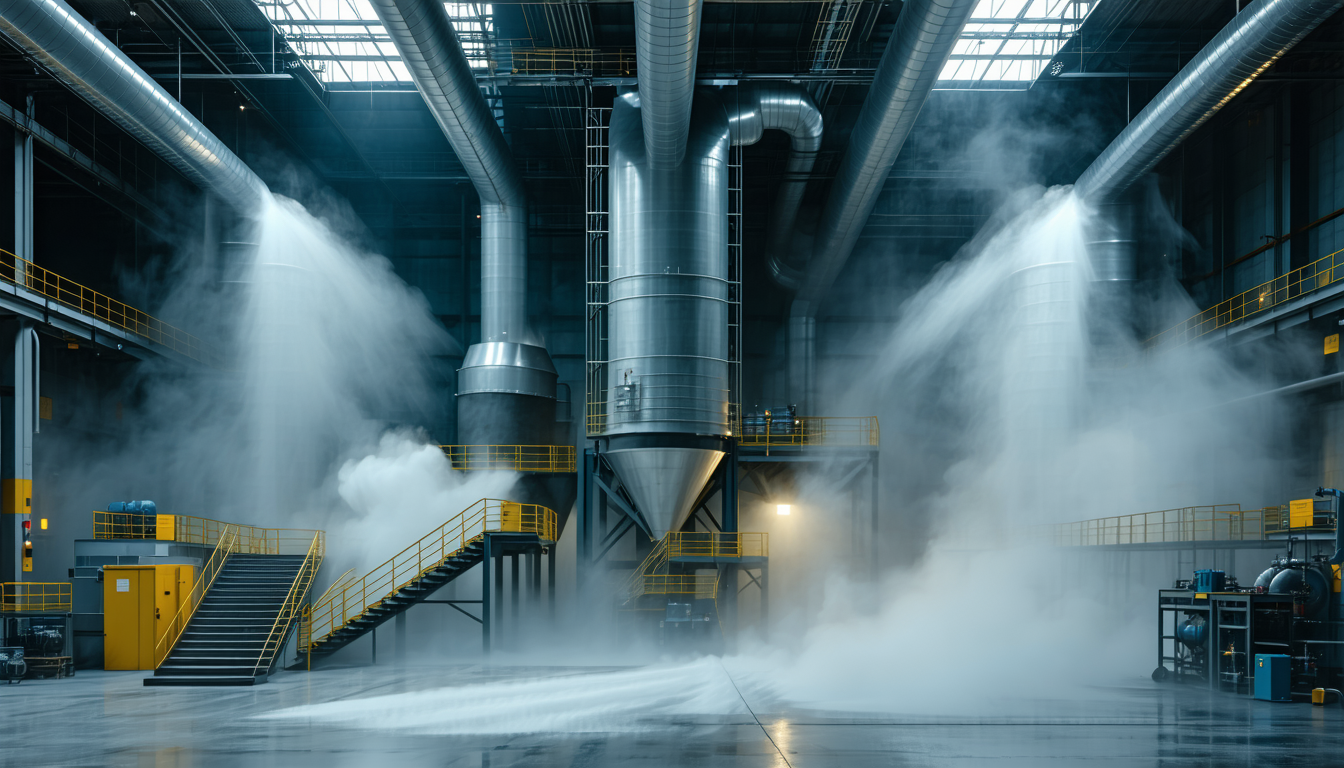
Every combustible dust hazard assessment checklist starts with this reality: Your DHA consultant charges $250 per hour and facility tours that should take two hours stretch to six when you can’t find basic documentation.
Key Takeaways:
- Pre-DHA preparation reduces consultant time by 40-60% according to major EHS consulting firms
- NFPA 660 requires 11 specific data categories, missing any single category extends DHA timelines
- Dust sample collection accounts for 15-25% of total DHA costs when done incorrectly
What Documents Must You Prepare Before a Dust Hazard Analysis?
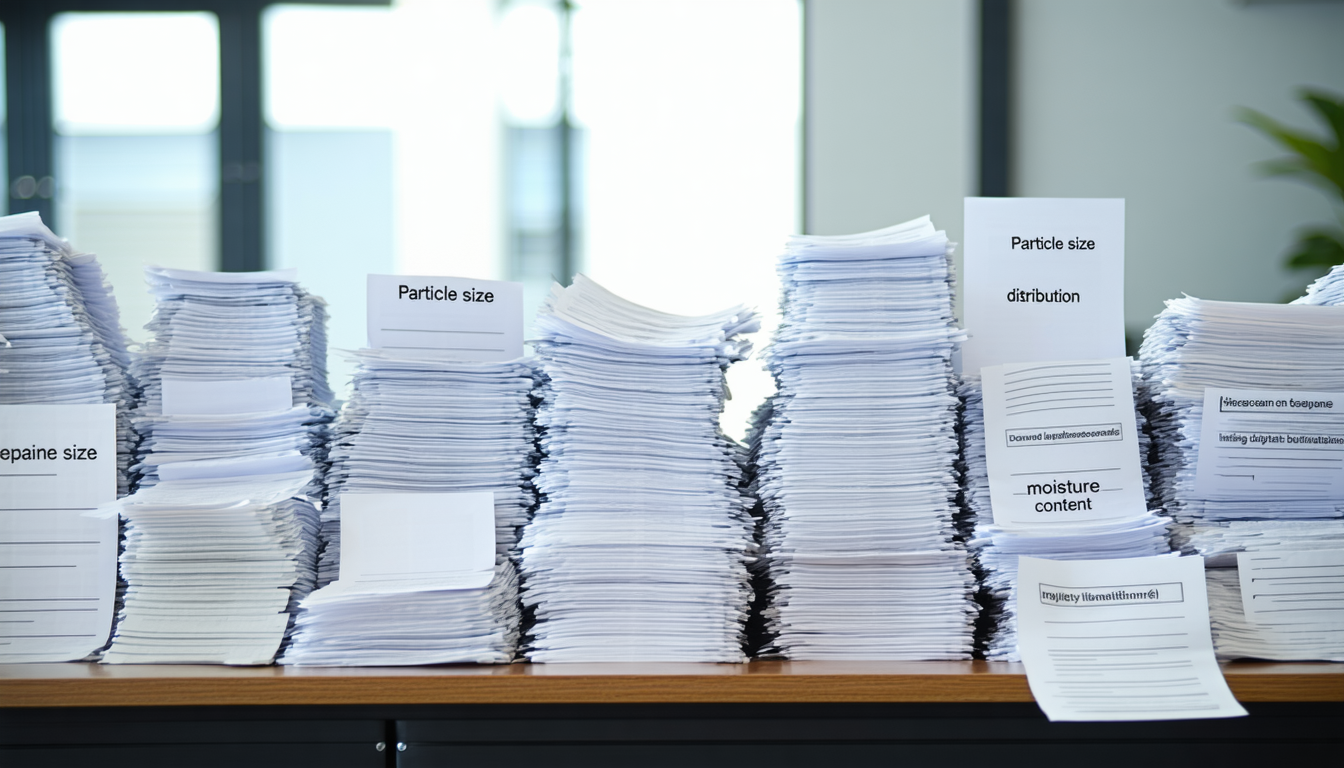
NFPA 660 requires 11 data categories for DHA completion. Missing any single item extends consultant time and increases your costs. Here’s what you need ready before your analyst arrives:
- Dust characterization data including particle size distribution, moisture content, and bulk density measurements for each dust type in your facility. Your dust testing laboratory needs this baseline data to determine combustibility screening accuracy.
- Process flow diagrams showing material movement, dust generation points, and collection systems with equipment specifications and operating parameters. These diagrams must reflect current operations, not original design drawings.
- Building and equipment drawings including electrical area classifications, ventilation system layouts, and structural details around dust-handling equipment. As of 2024, many facilities still use outdated drawings that don’t reflect equipment modifications.
- Existing safety documentation such as standard operating procedures, maintenance records, incident reports, and previous risk assessments related to combustible dust hazards.
- Equipment inventory sheets listing all dust-generating, collecting, conveying, and processing equipment with model numbers, capacities, and installation dates.
- Historical data on dust explosions, fires, near-misses, or other incidents involving dust accumulation or ignition sources.
- Training records showing which personnel have received combustible dust safety training and when that training occurred.
Consult a qualified dust hazard analysis professional for advice specific to your facility’s operations and regulatory requirements. The completeness of this documentation directly affects both DHA accuracy and cost.
How Do You Collect Dust Samples for DHA Testing?

Dust sample collection determines combustibility screening accuracy and represents a critical phase of DHA preparation. Follow these steps to collect representative samples:
- Identify sampling locations at dust collectors, process equipment discharge points, and areas where dust accumulates during normal operations. Sample from active dust streams, not settled material that may have changed properties.
- Use proper collection containers, clean, dry glass or metal containers with tight-fitting lids that prevent moisture contamination. Plastic bags allow moisture infiltration and static buildup.
- Collect minimum quantities of 100 grams per sample location as required by ASTM E1226 for go/no-go testing. Larger samples (200-500 grams) are needed if your dust testing laboratory will perform full combustibility characterization.
- Document sample details including collection date, location, process conditions, and dust source on pre-printed labels. Include your contact information and requested test methods.
- Package samples individually in separate containers with cushioning material to prevent container breakage during shipping. Never mix different dust types in the same container.
- Ship within 24-48 hours of collection using expedited shipping to minimize exposure time and potential property changes.
- Maintain chain of custody documentation throughout the collection and shipping process for regulatory compliance and quality assurance.
Proper sampling technique affects the entire combustible dust hazard analysis process. Poor samples lead to inaccurate test results and flawed risk assessments.
Process Flow Diagrams and Equipment Inventory: What Your DHA Analyst Needs

Equipment inventory identifies dust generation and accumulation points throughout your facility. DHA analysts require equipment specifications for any machinery handling over 10 kg/hour of dust-generating materials.
| Equipment Category | Required Information | Risk Priority |
|---|---|---|
| Dust collectors | Model, airflow capacity, filter type, explosion protection features | High |
| Material conveyors | Type, capacity, enclosed/open design, static dissipation methods | High |
| Process equipment | Dust generation rate, particle size output, operating temperature | Medium |
| Storage systems | Volume, ventilation, ignition source proximity, grounding status | Medium |
| Cleaning equipment | Type, frequency of use, dust disturbance potential | Low |
Process flow diagrams must show current operations with actual equipment locations, not original construction drawings. Include material flow directions, dust collection points, and potential accumulation areas. Mark ignition sources such as electrical equipment, heating systems, and friction points.
Your analyst needs to understand how dust moves through your facility and where it can accumulate. Incomplete equipment data forces consultants to conduct extensive facility walks that extend DHA timelines and increase costs.
Which Facility Layout Information Do DHA Consultants Require?
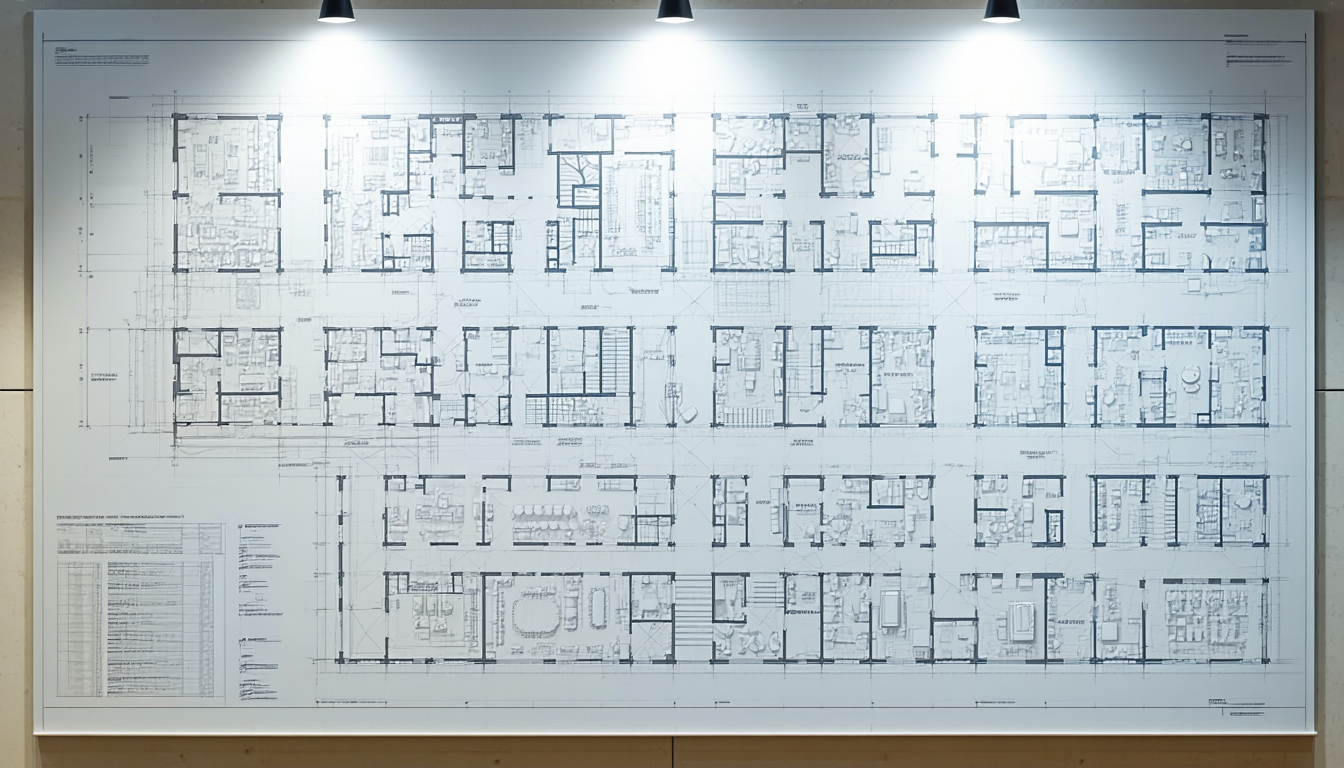
Facility layout information is the spatial documentation showing building dimensions, equipment placement, and dust-related area boundaries within your facility. This means your DHA consultant needs accurate drawings that reflect current conditions, not historical blueprints from facility construction.
Class II electrical area boundaries must extend 10 feet horizontally from dust-generating equipment per NEC Article 502. Your layout documentation must show these boundaries accurately. Include room dimensions, ceiling heights, ventilation system locations, and structural features that affect dust accumulation patterns.
Building drawings should mark dust collection system components, material storage areas, and potential ignition sources with precise measurements. Operational sketches showing daily activities and cleaning procedures supplement formal drawings. Your analyst uses this information to identify dust accumulation zones and evaluate ignition source proximity throughout the facility.
Area classifications determine electrical equipment requirements and explosion protection measures. Without accurate layout information, consultants cannot properly assess hazard zones or recommend appropriate safeguards.
Existing Safety Documentation Checklist for DHA Preparation

Existing safety documentation reduces DHA consultant time and costs when properly organized. Facilities with complete pre-DHA documentation packages reduce consultant on-site time by 8-12 hours on average.
| Document Type | High Priority | NFPA 660 Requirement |
|---|---|---|
| Standard operating procedures | Dust handling, cleaning, maintenance | Section 7.2.1(4) |
| Training records | Employee education, competency verification | Section 7.2.1(9) |
| Incident reports | Dust-related fires, explosions, near-misses | Section 7.2.1(8) |
| Maintenance logs | Equipment inspection, cleaning frequency | Section 7.2.1(7) |
| Previous risk assessments | Fire, explosion, safety evaluations | Section 7.2.1(3) |
| Insurance reports | Loss control surveys, recommendations | Section 7.2.1(11) |
Organize documents chronologically with the most recent information first. Remove obsolete procedures that no longer reflect current operations. Your consultant needs to understand what safety measures already exist and how effective they’ve been.
Missing documentation doesn’t prevent DHA completion but extends the analysis timeline. Consultants must gather information through interviews and facility observations rather than document review, which increases billable hours and project duration.
Frequently Asked Questions
How long does it take to prepare all the documents for a DHA?
Document preparation typically requires 20-40 hours of staff time across 2-3 weeks. The timeline depends on how organized your existing documentation is and whether you need new process flow diagrams or updated equipment inventories.
Can I perform a dust hazard analysis internally without hiring a consultant?
NFPA 660 requires DHA completion by qualified personnel with demonstrated competency in dust explosion hazards. Most facilities lack internal expertise and hire certified consultants or engineers specializing in process safety.
What happens if I’m missing some of the required documents when the DHA consultant arrives?
Missing documentation extends the DHA timeline and increases costs. Consultants typically charge hourly rates for additional visits or remote follow-up work needed to complete the analysis.