Dust hazard analysis cost puzzles most EHS managers because insurance auditors demand DHA documentation, but facilities have no idea what they’re about to spend or why quotes vary by 400% between consultants.
Key Takeaways:
- Complete DHA costs range from $8,000 for simple facilities to $75,000+ for multi-building chemical plants
- Laboratory testing accounts for 15-30% of total DHA cost, with go/no-go screening at $800-1,200 per sample
- Consultant hourly rates range from $150-350, but total project cost depends more on facility complexity than hourly billing
How Much Does a Dust Hazard Analysis Cost?
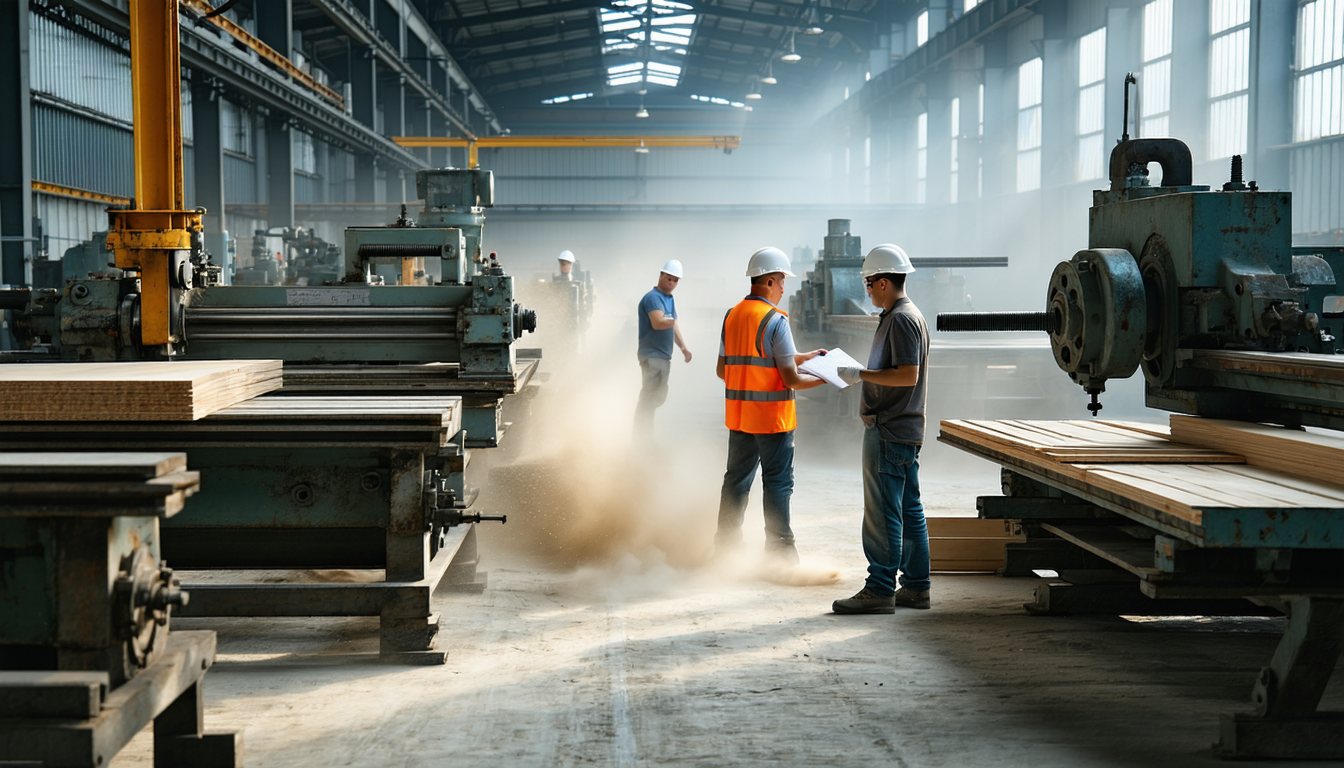
DHA cost ranges vary by facility complexity. A single-building woodworking shop with three dust types costs $8,000-15,000. A pharmaceutical facility with multiple buildings and diverse materials costs $50,000-75,000.
| Facility Type | Building Count | Dust Varieties | DHA Cost Range |
|---|---|---|---|
| Simple (woodworking, single process) | 1-2 | 1-3 types | $8,000-15,000 |
| Medium (food processing, mixed materials) | 2-4 | 4-8 types | $20,000-45,000 |
| Complex (chemical, pharmaceutical) | 5+ | 10+ types | $50,000-75,000+ |
Consultant quotes vary dramatically because NFPA 660 requirements remain the same, but implementation complexity differs. A grain elevator with one dust type in multiple buildings costs less per building than a plastics manufacturer with different polymers in each production area.
Facility size matters less than process complexity. A 5,000 square foot pharmaceutical R&D lab costs more than a 50,000 square foot lumber warehouse because the pharmaceutical facility handles dozens of chemical compounds requiring individual combustibility screening.
What’s Included in DHA Consulting Quotes?

Every DHA project includes specific deliverables per NFPA 660 requirements. Standard deliverables include:
- Site assessment report – Documents facility layout, process equipment, dust generation points, and existing safeguards in a 40-80 page report
- Dust inventory and sampling coordination – Catalogs all dust types, arranges laboratory testing, and tracks sample chain of custody
- Hazard analysis documentation – Evaluates explosion risks, identifies deficient areas, and assigns hazard classifications per NFPA 660 methodology
- Mitigation recommendations – Specifies required engineering controls, administrative procedures, and compliance timelines with cost estimates
- Management system templates – Provides written program frameworks, inspection checklists, and training documentation for ongoing compliance
Some consultants inflate quotes with unnecessary add-ons like detailed CAD drawings, extensive employee interviews, or redundant documentation. Focus on consultants who deliver the core NFPA 660 requirements without padding the scope.
Consultant experience with combustible dust regulations determines project efficiency. Process safety engineers with specific DHA experience complete projects faster than general safety consultants learning NFPA 660 during your project.
Testing Costs vs Consulting Costs: Where Your Money Goes
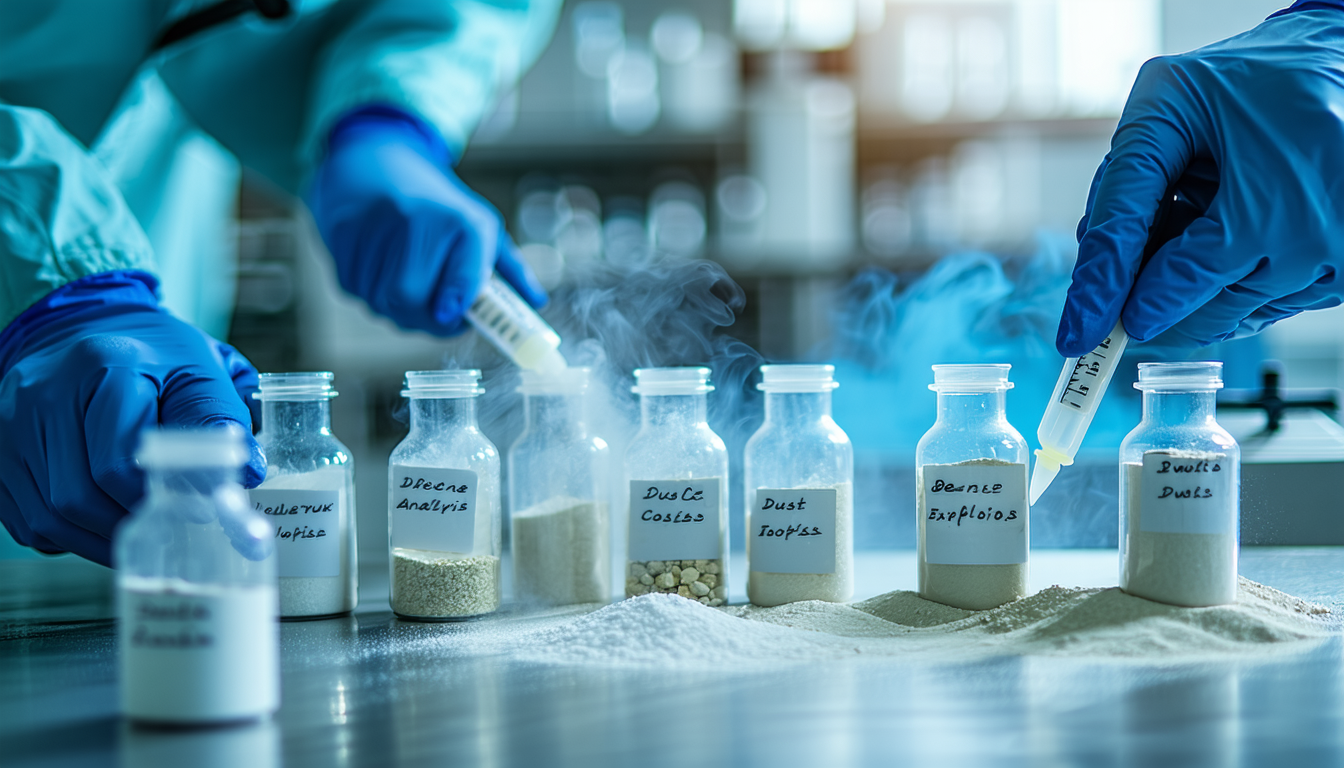
Laboratory testing represents 15-30% of total DHA cost. Testing choices drive project budgets more than consultant hourly rates.
| Test Type | Cost Per Sample | When Required | Turnaround |
|---|---|---|---|
| Go/no-go screening | $800-1,200 | Initial combustibility determination | 2-3 weeks |
| Full explosibility suite | $3,500-6,000 | Confirmed combustible dusts | 4-6 weeks |
| Specialized parameters | $500-1,500 each | Specific equipment design needs | 3-4 weeks |
Consulting time accounts for 70-85% of total DHA cost. Experienced consultants complete site assessments in 2-3 days for simple facilities, while complex sites require 5-10 days of on-site evaluation.
Smart testing strategies reduce costs without compromising compliance. Start with go/no-go screening for questionable materials. Only conduct full explosibility testing on confirmed combustible dusts that require specific engineering controls.
Combustibility screening at qualified dust testing laboratory facilities eliminates guesswork about which materials need comprehensive analysis. This approach prevents unnecessary testing while ensuring NFPA 660 compliance.
What Drives DHA Costs Up?
Specific facility factors increase DHA project costs beyond baseline consultant rates:
- Multiple buildings and scattered operations – Each building requires separate evaluation, increasing site assessment time by 60-120% over single-building facilities
- Diverse dust types requiring individual testing – Each material needing laboratory analysis adds $800-6,000 depending on screening versus full explosibility testing requirements
- Existing equipment assessments – Evaluating installed dust collection systems, electrical equipment, and building construction for NFPA 660 compliance adds 20-40% to project scope
- Legacy facility documentation gaps – Missing building plans, equipment specifications, or process flow diagrams require additional research and documentation time
- Regulatory complexity from mixed jurisdiction requirements – Facilities subject to FDA, USDA, or other agency oversight alongside OSHA face additional compliance layers requiring specialized expertise
You can control some cost drivers through preparation. Compile facility drawings, dust inventory lists, and equipment specifications before consultant engagement. This reduces billable research time.
Fixed costs include consultant travel, laboratory testing minimums, and report preparation time. These expenses remain constant regardless of facility cooperation or preparation level.
Is a Dust Hazard Analysis Worth the Investment?
DHA compliance costs compare favorably to explosion incident consequences and insurance implications.
| Cost Category | DHA Investment | Explosion Incident | Insurance Impact |
|---|---|---|---|
| Upfront cost | $8,000-75,000 | $0 | $0 |
| Incident response | $0 | $800,000+ average | Premium increases |
| Production downtime | $0 | $200,000-500,000 typical | Coverage restrictions |
| Legal/regulatory | $0 | $50,000-200,000+ | Policy cancellation risk |
Insurance companies increasingly require DHA documentation for policy renewals. Facilities without current combustible dust analysis face coverage restrictions or premium increases exceeding the DHA cost within two years.
OSHA citations for combustible dust violations carry penalties up to $156,259 per willful violation as of 2024. General Duty Clause citations reference NFPA 660 as the recognized industry standard, making DHA documentation critical for citation defense.
Average dust explosion incident costs exceed $800,000 including repairs, downtime, and legal expenses according to Dust Safety Science estimates. This figure excludes long-term business impact from customer loss or reputation damage.
How to Evaluate DHA Consultant Proposals

Follow these steps to compare consultant proposals and select qualified professionals:
- Verify process safety engineering credentials – Confirm consultant holds relevant engineering degrees and specific NFPA 660 project experience, not general safety consulting background
- Review sample deliverables from previous projects – Examine actual DHA reports to assess technical depth, documentation quality, and NFPA 660 compliance thoroughness
- Confirm laboratory testing partnerships – Ensure consultant works with accredited combustible dust testing facilities and understands when screening versus full analysis applies
- Clarify project scope boundaries – Define exactly what deliverables are included, what triggers additional charges, and how scope changes are handled during the project
- Check references from similar facilities – Contact previous clients with comparable operations, facility size, and dust types to verify consultant performance
- Establish project timeline and communication protocols – Confirm realistic completion schedules and regular progress reporting to avoid project delays
Red flags include consultants who quote significantly below market rates without explaining reduced scope, promise unrealistic completion timelines under 6-8 weeks, or lack specific combustible dust project references.
Qualified consultants should provide fixed-price proposals based on defined scope rather than open-ended hourly billing arrangements that create cost uncertainty.
Frequently Asked Questions
What factors determine DHA cost by facility size?
Facility size affects DHA cost through building count, equipment complexity, and dust variety requiring testing. A 10,000 sq ft single-building woodshop costs $8,000-12,000 while a 100,000 sq ft multi-building chemical facility costs $50,000-75,000.
Can I reduce DHA costs by doing some work myself?
You can reduce costs by preparing facility drawings, compiling dust inventory lists, and coordinating testing sample collection internally. However, the actual hazard analysis and documentation must be performed by qualified process safety professionals per NFPA 660 requirements.
How often do I need to repeat the DHA and incur these costs again?
NFPA 660 requires DHA revalidation every five years or when facility processes change significantly. Minor updates typically cost 20-30% of the original DHA, while major process changes may require a complete new analysis.