Is flour a combustible dust? Your insurance auditor just flagged flour dust in your facility, and you’re wondering if they’re right to be concerned. The answer determines your entire compliance strategy.
Key Takeaways:
- Published data exists for 400+ materials, check NFPA 660 Annex C before paying for testing
- Organic materials under 420 microns are combustible until proven otherwise
- Laboratory testing costs $2,000-$5,000 per sample but may be legally required for insurance compliance
What Makes Dust Combustible vs Non-Combustible?
Combustible dust is any fine particulate matter that can create a deflagration when suspended in air at the right concentration. This means your facility faces explosion risk if five conditions align: the dust itself, oxygen, an ignition source, dispersion, and confinement.
Particle combustibility depends on two factors: composition and size. NFPA 660 sets the threshold at 420 microns. Materials above this size rarely support deflagration because surface area to volume ratio stays too low for rapid flame propagation.
Organic materials pose the highest risk. Wood dust, grain dust, food powders, pharmaceuticals, and most plastics support combustion when ground fine enough. Even materials you consider safe become dangerous at small particle sizes.
Inorganic materials like pure silica, cement, and certain metal oxides resist combustion regardless of particle size. Their chemical structure prevents the rapid oxidation needed for deflagration.
The visual appearance means nothing. Flour looks harmless but has documented explosion potential. Metal dust appears inert but can create devastating blasts. You cannot determine what is combustible dust by looking at it.
How Do You Determine If Your Dust Is Combustible?
Combustibility determination follows a three-step verification process that saves 60-80% on unnecessary testing costs.
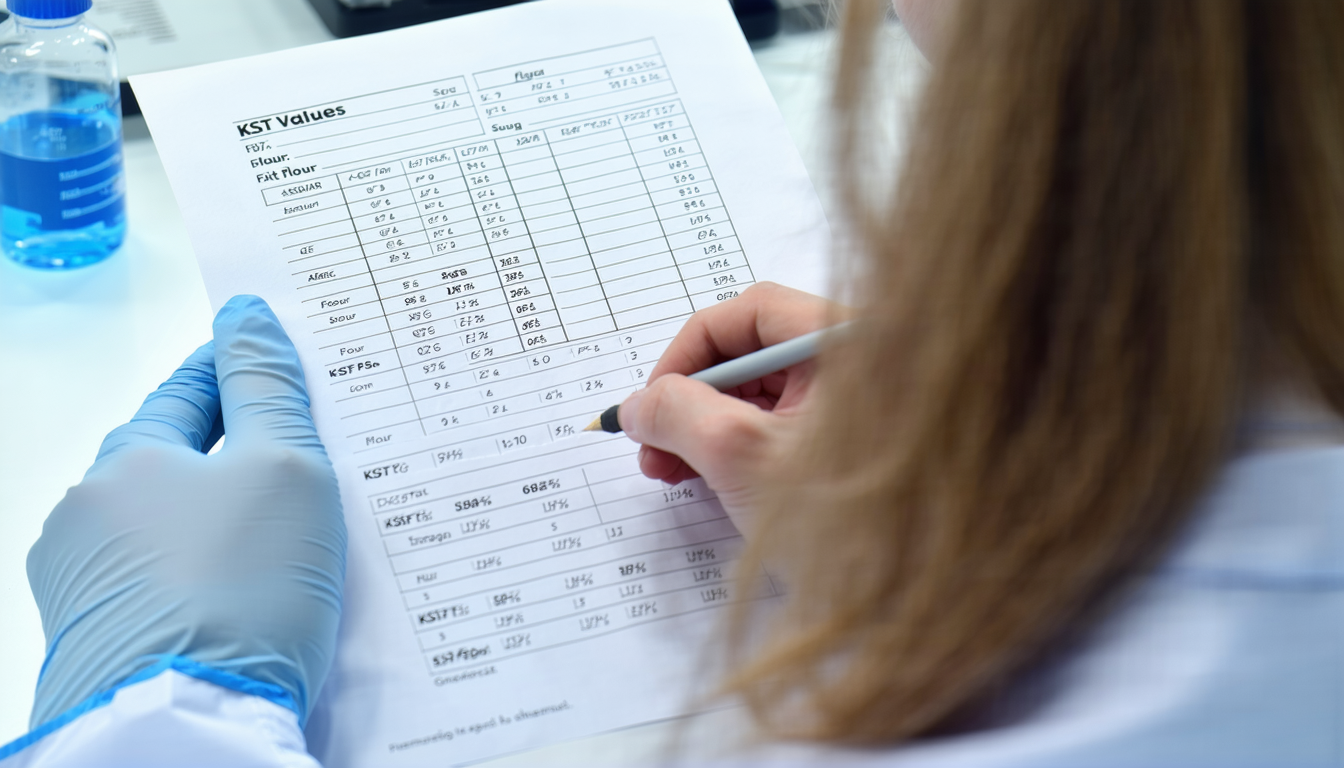
Check published combustibility data first. NFPA 660 Annex C lists Kst values for over 400 materials including common dusts like flour, sugar, aluminum, and wood species. If your material appears in published sources with established values, you’re done.
Review your facility’s historical data second. Previous dust hazard analyses, insurance reports, or equipment vendor assessments may contain combustibility determinations for your specific materials. This existing documentation often satisfies compliance requirements.
Consider laboratory testing as the final step. When published data doesn’t exist and you have no facility records, accredited labs can determine Kst values and explosion characteristics. This testing becomes mandatory for unknown materials under NFPA 660.
Most facilities skip straight to expensive testing without checking available data first. Start with published sources. The standard exists to prevent unnecessary costs while maintaining safety standards.
One warning: don’t assume similar materials have identical properties. Wheat flour and rice flour have different Kst values despite both being grain products. Material-specific data matters for accurate risk assessment.
Is Flour Combustible Dust? What About Sugar and Other Common Materials?

Flour has a Kst value of 200+ bar·m/s classifying it as St-1 combustible dust. The answer to “is flour a combustible dust” is definitively yes.
| Material | Kst Value (bar·m/s) | Classification | Deflagration Risk |
|---|---|---|---|
| Wheat Flour | 200-220 | St-1 | Moderate explosion severity |
| Sugar (Sucrose) | 138 | St-1 | Moderate explosion severity |
| Cornstarch | 182 | St-1 | Moderate explosion severity |
| Rice Dust | 158 | St-1 | Moderate explosion severity |
| Cocoa Powder | 105 | St-1 | Moderate explosion severity |
Sugar is combustible dust with documented explosion incidents in food processing facilities. Cornstarch poses similar risks with a Kst value of 182 bar·m/s. Rice dust, cocoa powder, and most food processing byproducts fall into the St-1 classification.
These common materials people ask about most frequently all support deflagration. Food processing facilities handle multiple combustible dusts simultaneously, creating complex hazard scenarios that require comprehensive dust hazard analyses.
The St-1 classification means moderate explosion severity compared to St-2 (strong) and St-3 (very strong) materials like aluminum powder. But moderate doesn’t mean safe. St-1 explosions still cause fatalities and facility destruction.
Particle size affects everything. The same wheat that’s harmless as whole grain becomes combustible when milled below 420 microns. Processing operations create the dangerous particle sizes through grinding, conveying, and handling.
Which Materials Are NOT Combustible Dust?

Non-combustible materials include silica sand and metal oxides above certain particle sizes that cannot support deflagration reactions.
Pure silica sand requires ignition temperatures above 1,200°C making deflagration impossible under normal industrial conditions. The material’s crystalline structure resists rapid oxidation needed for dust explosion pentagon completion.
Portland cement contains calcium compounds that act as flame suppressants even when ground to fine particle sizes. Cement dust creates respiratory hazards but not explosion risks.
Aluminum oxide (alumina) above 10 microns remains non-combustible due to the protective oxide layer preventing rapid metal oxidation. Below 10 microns, some aluminum oxides can support weak combustion.
Limestone and calcium carbonate decompose at high temperatures rather than supporting combustion. These materials often serve as inerting agents to prevent dust explosions in other processes.
Pure iron oxide (rust) cannot support deflagration because the iron is already fully oxidized. However, metallic iron dust remains highly combustible with St-2 classification.
Particle size exceptions exist even for non-combustible materials. Some metal oxides become combustible when ground to nanometer scales. Always verify published data rather than making assumptions based on bulk material properties.
One critical point: mixed dusts change everything. Non-combustible limestone mixed with 10% organic material can become combustible. Contamination turns safe materials dangerous.
When Is Laboratory Testing Required vs Optional?

Laboratory testing becomes mandatory when published data doesn’t exist for your specific material or when insurance requires facility-specific verification.
| Scenario | Testing Required | NFPA 660 Compliance | Estimated Cost |
|---|---|---|---|
| Material listed in Annex C | Optional | Published data sufficient | $0 |
| Unknown material composition | Mandatory | Required for classification | $2,000-$5,000 |
| Insurance audit requirement | Often mandatory | Depends on policy terms | $2,000-$5,000 |
| Mixed dust compositions | Recommended | Case-by-case determination | $3,000-$7,000 |
| Facility-specific blends | Mandatory | No published equivalent | $5,000-$10,000 |
NFPA 660 Annex C contains published data for 400+ materials eliminating testing requirements for most facilities. When your dust appears in published sources with established Kst values, additional testing becomes optional rather than required.
Insurance companies increasingly require facility-specific testing even when published data exists. They want verification that your actual dust matches published characteristics. This trend creates testing costs for materials previously considered resolved.
Testing becomes cost-effective when you handle large volumes of borderline materials. Spending $3,000 on testing beats installing $50,000 worth of explosion protection equipment for non-combustible dust.
One thing I should mention: some facilities test everything to avoid liability questions later. While expensive, this approach eliminates any dispute about combustibility determinations during insurance audits or OSHA inspections.
Frequently Asked Questions
Is sugar combustible dust?
Yes, sugar is combustible dust with a Kst value of 138 bar·m/s, classifying it as St-1. Sugar particles under 420 microns can support deflagration when suspended in air at the right concentration.
Can the same material be combustible and non-combustible?
Yes, particle size determines combustibility more than material composition. The same material can be non-combustible above 420 microns and combustible below that threshold.
Do I need to test every dust in my facility separately?
Not if published data exists. NFPA 660 Annex C covers 400+ materials with established Kst values. You only test materials not found in published sources or when insurance requires facility-specific verification.