
Combustible dust accumulation gets measured wrong at most facilities, creating a false sense of compliance. The 1/32-inch rule gets cited everywhere as the accumulation limit, but most facilities measure it wrong and miss the real hazard indicators.
Key Takeaways:
- The 1/32-inch threshold appears in OSHA NEP guidance but originated from Imperial Sugar incident analysis, not comprehensive testing across all materials
- Depth measurement alone misses 60%+ of actual accumulation hazards because dust density and distribution patterns matter more than thickness
- OSHA citations focus on total surface area covered, not just depth, facilities with 5% building coverage face enforcement even below 1/32-inch
What Is the 1/32-Inch Rule for Combustible Dust?
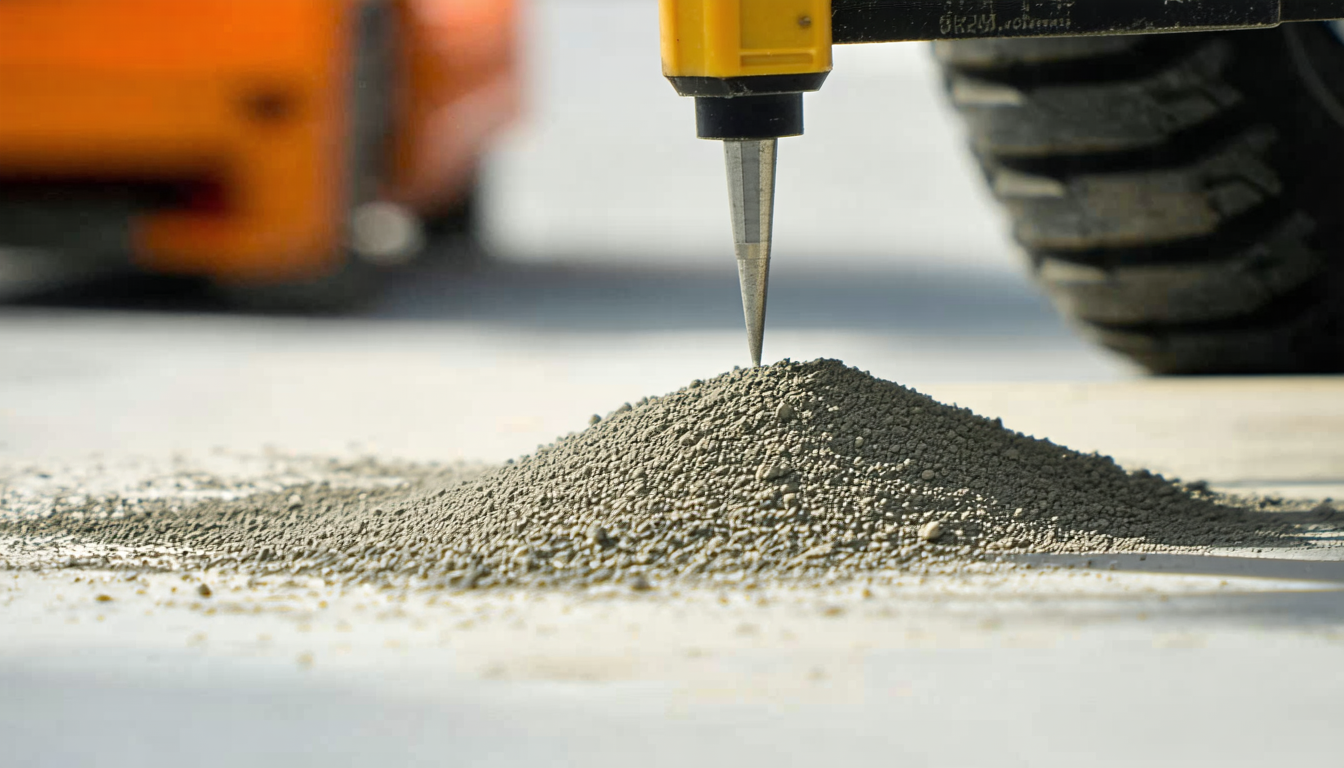
The 1/32-inch rule is the accumulation depth threshold OSHA uses to trigger enforcement action during combustible dust inspections. This means facilities with dust accumulations at or above 1/32-inch thickness face potential citations under the General Duty Clause.
The threshold originated from Imperial Sugar explosion analysis. Imperial Sugar explosion analysis identified 1/32-inch as critical accumulation depth before incident. Investigators found that sugar dust accumulations exceeding this depth contributed to the explosion’s severity and rapid flame propagation throughout the facility.
OSHA NEP guidance references this measurement as an enforcement trigger. The rule appears in OSHA’s National Emphasis Program instructions to inspectors but does not appear as a specific requirement in NFPA standards. NFPA 660 focuses on housekeeping programs and DHA requirements without specifying exact accumulation limits.
Facilities mistake this enforcement threshold for a safety threshold. The 1/32-inch measurement represents when OSHA typically issues citations, not necessarily when dust becomes hazardous. Many materials pose explosion risks at accumulations below this depth, while others may be less hazardous at greater depths depending on particle characteristics and ignition source proximity.
How to Measure Combustible Dust Accumulation Correctly

Proper measurement requires multiple tools and systematic approach. You cannot get accurate readings with standard rulers or visual estimates.
Use precision measurement tools. Digital calipers or depth gauges provide consistent 1/32-inch measurements. Standard rulers lack the precision needed and disturb dust during measurement.
Take measurements at designated grid points. Standard measurement requires minimum 12 data points across different surface types per work area. Mark a grid pattern covering floors, equipment surfaces, overhead beams, and ledges.
Measure undisturbed accumulations only. Avoid areas where recent foot traffic, air currents, or cleaning have altered natural dust settling patterns. Look for representative accumulation zones.
Document surface type and location details. Record whether measurements come from horizontal surfaces, vertical surfaces, or equipment housings. Different surface orientations accumulate dust at different rates.
Photograph measurement locations. Visual documentation supports measurement data and helps track accumulation patterns over time. Include measurement tool in photos for scale reference.
Record environmental conditions. Note temperature, humidity, and recent production activity levels. These factors affect dust behavior and accumulation rates.
Most facilities skip the systematic grid approach and take random spot measurements. This method misses accumulation hot spots and fails to provide the comprehensive data needed for effective housekeeping program adjustments.
Which Surfaces and Areas Require Dust Accumulation Monitoring?

Different surfaces have varying accumulation risk levels. OSHA NEP inspectors focus on specific surface categories during facility walkthroughs.
| Surface Type | Accumulation Rate | OSHA NEP Priority Level |
|---|---|---|
| Overhead beams and ledges | High – limited air circulation | Primary inspection target |
| Equipment housings and motors | Medium – heat affects dust behavior | Secondary inspection focus |
| Floor areas and walkways | Variable – depends on traffic patterns | Baseline measurement zone |
| Ductwork and pipe surfaces | High – static buildup accelerates accumulation | Critical compliance area |
| Concealed spaces above ceilings | Very high – no cleaning access | Major citation risk |
Overhead surfaces accumulate dust 3-5 times faster than floor areas in most manufacturing environments. These areas receive the least attention during routine cleaning but pose the greatest ignition risk due to proximity to electrical equipment and lighting.
Hidden accumulation areas most facilities miss include spaces above suspended ceilings, behind equipment panels, inside electrical enclosures, and on top of ductwork. These locations often contain the heaviest accumulations because they receive no routine cleaning attention.
Equipment-specific monitoring points focus on motor housings, control panels, dust collector exteriors, and ventilation system components. Heat-generating equipment attracts dust accumulation through electrostatic forces and thermal currents.
Seasonal variations affect accumulation rates. Winter heating systems create more air movement and static buildup. Summer humidity changes dust settling characteristics. Production schedule changes alter dust generation patterns and require monitoring frequency adjustments.
Why Depth Alone Does Not Determine Combustible Dust Hazard Level

Dust hazard assessment depends on density, distribution, and ignition source proximity. The 1/32-inch rule oversimplifies a complex hazard equation.
Wood dust accumulations show 40% density variation between species at identical 1/32-inch depth. Hardwood dusts pack more densely than softwood dusts. Dense accumulations contain more fuel per square inch and create different explosion propagation characteristics.
Particle size affects accumulation behavior more than depth measurements indicate. Fine particles below 75 microns create loose, fluffy accumulations that appear thick but contain less actual combustible material. Coarse particles above 200 microns pack tightly and concentrate more fuel in thinner layers.
Surface area coverage matters more than depth in most explosion scenarios. A thin dust layer covering 20% of a room’s surfaces poses greater risk than a 1/16-inch accumulation covering 2% of surfaces. Total fuel load and flame propagation paths determine explosion severity.
Ignition source proximity multiplies risk factors. Dust accumulations near electrical equipment, hot surfaces, or friction points pose immediate hazards regardless of depth. A 1/64-inch accumulation on a motor housing presents higher risk than 1/8-inch accumulation in a remote corner.
Real incident patterns show that explosion propagation depends on continuous dust layers creating flame travel paths. Scattered thick accumulations cause localized flares. Continuous thin layers enable facility-wide propagation even below 1/32-inch depth.
When Should Combustible Dust Be Cleaned Up?

Cleaning triggers include multiple threshold indicators beyond depth measurement. Action level framework prevents accumulations before they reach citation thresholds.
Surface area percentage reaches 2-3% coverage. Clean when dust covers more than 2% of any room’s surface area regardless of depth measurements. This prevents accumulation patterns that enable flame propagation.
Any accumulation exceeds 1/64-inch near ignition sources. Equipment housings, electrical panels, and hot surfaces require immediate cleaning at half the general threshold. Heat and electrical activity increase ignition probability.
Weekly inspection identifies new accumulation patterns. Clean areas showing accelerated dust buildup before they reach measurement thresholds. Pattern changes indicate housekeeping program gaps or process modifications.
Seasonal cleaning schedules require frequency adjustments. Increase cleaning frequency during high-production periods, seasonal weather changes, or facility modifications that alter airflow patterns.
OSHA NEP targets facilities where dust covers more than 5% of building surfaces regardless of depth measurements. Facilities exceeding this coverage threshold face enforcement action even when individual measurements stay below 1/32-inch.
Emergency cleaning protocols activate after near-miss events, equipment malfunctions that generate excessive dust, or discovery of accumulations in previously unknown locations. These situations require immediate response regardless of measurement results.
How Much Dust Accumulation Triggers OSHA Enforcement?

OSHA enforcement targets pattern-based accumulation indicators not just depth measurements. Inspectors assess overall facility conditions during walkthroughs, not individual measurement points.
73% of OSHA combustible dust citations in 2023 included housekeeping violations as primary or secondary findings. These citations focused on systematic housekeeping failures rather than isolated accumulation measurements.
OSHA inspection trigger patterns include visible dust clouds during normal operations, accumulations covering large surface areas, dust in electrical equipment enclosures, and evidence of inadequate housekeeping programs. Inspectors look for facility-wide accumulation patterns that indicate systemic problems.
Inspectors assess accumulation during walkthroughs by observing dust on commonly cleaned surfaces like floors and equipment exteriors. Heavy accumulation in these areas indicates neglect of less accessible surfaces. They check overhead areas, behind equipment, and inside enclosures for hidden accumulations.
Citation patterns from recent NEP enforcement show violations cluster around inadequate housekeeping programs rather than specific accumulation measurements. Facilities with documented cleaning schedules, trained personnel, and systematic approaches face fewer citations even when isolated accumulations exceed thresholds.
Facility size factors affect enforcement decisions. Large facilities with multiple production areas face scrutiny for accumulation patterns across the entire operation. Small facilities with limited production may receive warnings rather than citations for first-time violations.
Documentation requirements that reduce citation risk include written housekeeping programs, cleaning logs, employee training records, and corrective action documentation. Facilities demonstrating systematic approaches to dust control receive more favorable treatment during inspections.
Frequently Asked Questions
Does the 1/32-inch rule apply to all types of combustible dust?
The 1/32-inch threshold was developed primarily from sugar dust incident analysis and may not apply directly to all materials. Metal dusts, wood species with different densities, and pharmaceutical powders accumulate differently and may pose hazards at different depths. Your dust hazard analysis should establish material-specific thresholds based on actual testing data.
Can I use a regular ruler to measure dust accumulation depth?
Standard rulers lack the precision needed for accurate 1/32-inch measurements and can disturb the dust during measurement. Professional assessments use depth gauges, calipers, or specialized dust measurement tools that provide consistent readings without disrupting the accumulation pattern.
What happens if I find dust accumulation above 1/32-inch in my facility?
Accumulations above 1/32-inch require immediate cleaning and documentation of the corrective action. You should also investigate why your housekeeping program failed to prevent the accumulation and adjust cleaning frequencies accordingly. This finding may trigger the need for engineering controls evaluation if cleaning alone cannot maintain compliance.