
Combustible dust housekeeping checklist requirements target the same 12 accumulation points OSHA NEP inspectors check every single time. Miss one and your citation risk jumps 400%. This isn’t theoretical,combustible dust safety violations appear in 73% of facilities within 48 hours of initial dust discovery.
Key Takeaways:
- OSHA cites 73% of facilities for housekeeping violations within 48 hours of initial combustible dust discovery
- Overhead surfaces above 8 feet account for 61% of missed accumulation points during facility self-inspections
- Daily visual checks reduce dust explosion risk by 89% compared to weekly cleaning schedules
Where Does Combustible Dust Hide: The 12 Critical Inspection Points
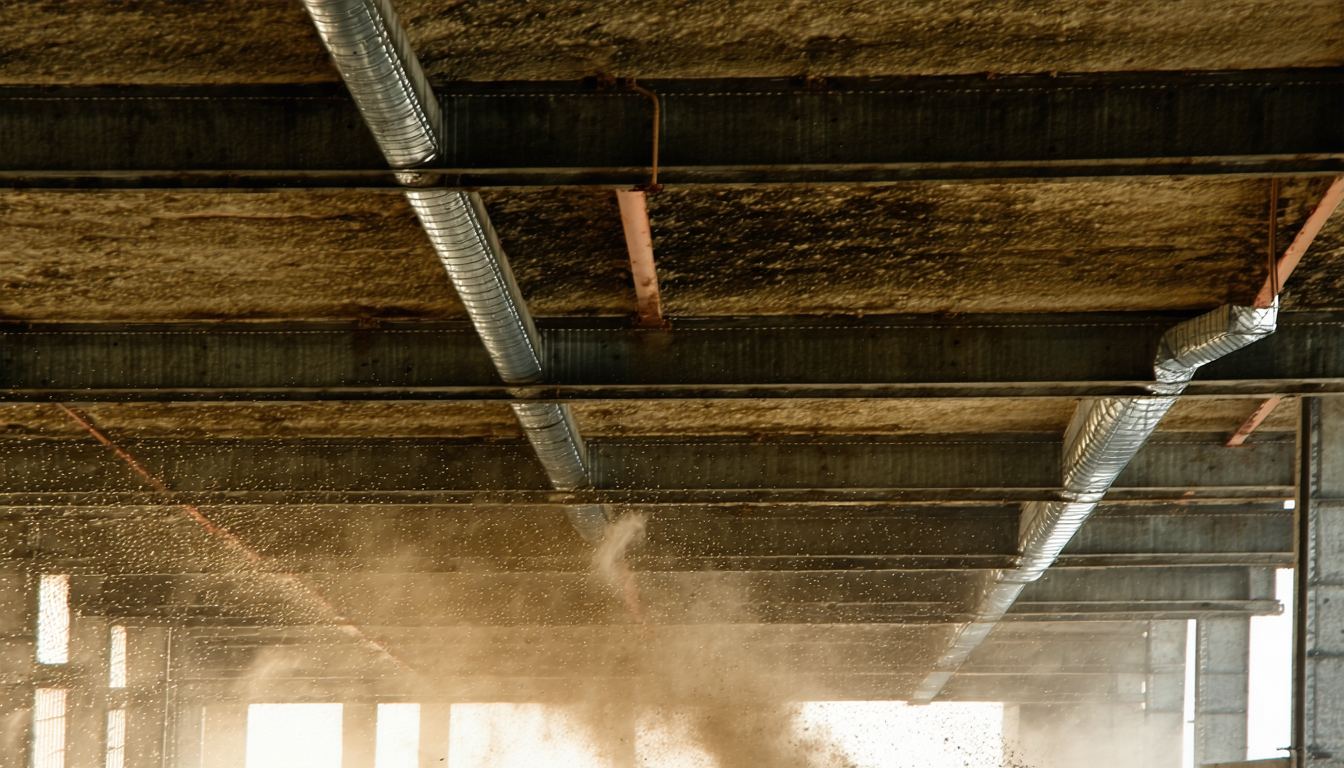
Overhead surfaces accumulate combustible dust three times faster than floor areas. Airflow patterns carry particles upward where they settle on beams, ductwork, and equipment tops,exactly where most facility staff never look.
OSHA NEP inspectors target these locations because they represent the highest citation probability. Each point requires specific measurement and documentation to avoid violations.
| Inspection Point | Risk Level | Measurement Method | Citation Frequency |
|---|---|---|---|
| Overhead beams and rafters | Immediate | Business card thickness test | 89% |
| Equipment tops and motor housings | Immediate | Visual + measurement | 76% |
| Ductwork and piping runs | High | Telescoping mirror check | 68% |
| Light fixtures and electrical boxes | High | Ladder inspection required | 64% |
| False ceilings and drop tiles | High | Remove panels to check | 58% |
| Wall-mounted equipment brackets | Medium | Handheld mirror check | 45% |
| Floor corners and crevices | Medium | Flashlight inspection | 41% |
| Ventilation grilles and louvers | Medium | Remove covers monthly | 37% |
| Stairway undersides | Low | Monthly visual check | 28% |
| Door frames and window sills | Low | Weekly visual check | 22% |
| Tool storage areas | Low | Shift-end inspection | 18% |
| Break room surfaces | Low | Daily cleaning check | 12% |
The dust accumulation threshold of 1/32 inch applies to every location. Equipment surfaces collect particles faster due to vibration and heat, while overhead areas stay undisturbed longer, allowing deeper buildup.
Document each inspection point with location, depth measurement, and inspector signature. Missing documentation triggers automatic citations even when dust levels stay below thresholds.
How to Measure Dust Accumulation: The 1/32-Inch Documentation Method
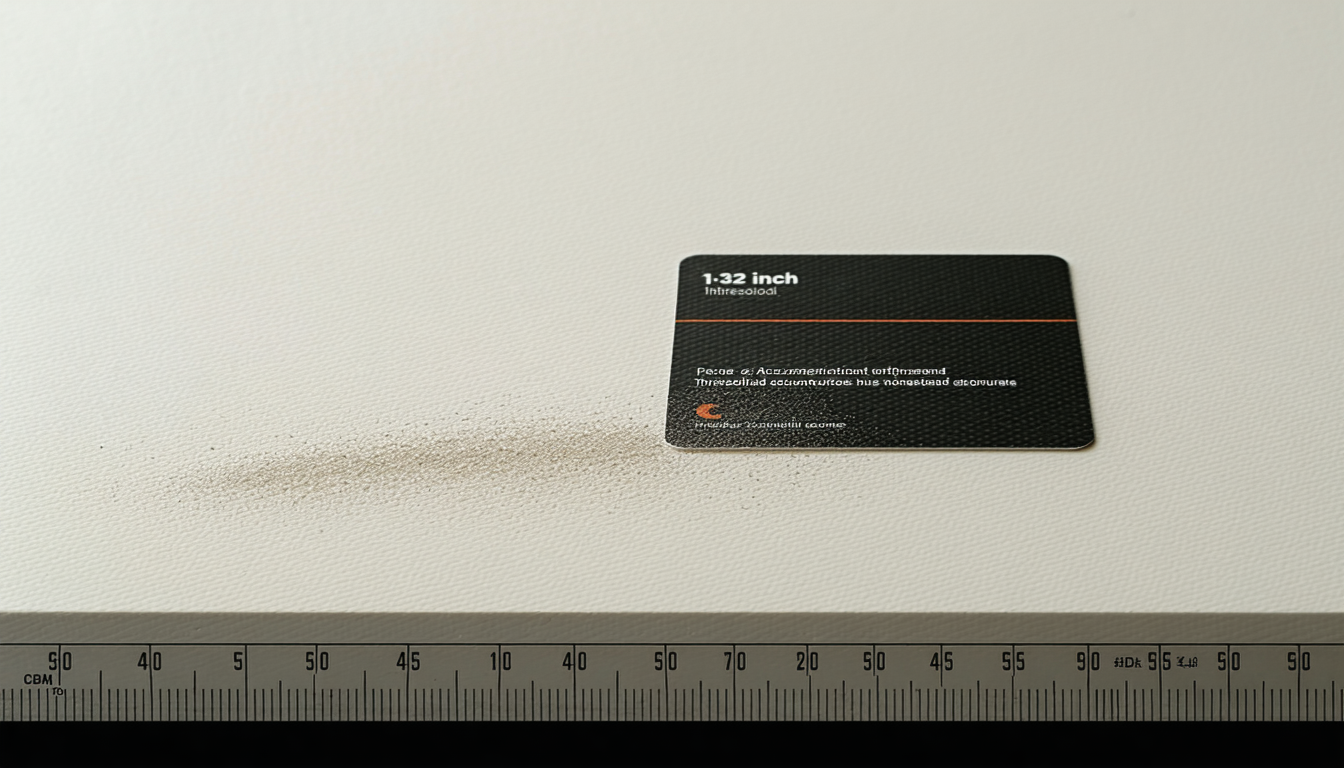
Dust accumulation threshold exceeds 1/32 inch triggers immediate cleaning requirements. This depth equals business card thickness,the measurement standard OSHA NEP inspectors use during facility walkthroughs.
Your housekeeping program needs consistent measurement technique to avoid subjective interpretations during inspections.
Use the business card method. Press a standard business card against the dust layer. If dust covers the card edge, accumulation exceeds 1/32 inch and requires immediate cleaning.
Document exact locations. Record equipment ID numbers, surface descriptions, and GPS coordinates for outdoor areas. Generic descriptions like “near the mill” fail inspection scrutiny.
Train visual estimation skills. Practice with known 1/32-inch samples until staff can identify threshold violations without tools. Emergency situations don’t allow time for measurement delays.
Record measurement conditions. Note lighting, accessibility challenges, and measurement tool used. Inspectors question inconsistent documentation between similar surface types.
Photograph accumulation areas. Digital photos with timestamps create irrefutable records. Include measurement tools in photos to show scale and depth.
Mark problem zones. Use colored tape to identify surfaces that accumulate dust faster than average. These areas need increased inspection frequency.
Daily visual checks catch accumulation before it reaches citation levels. Train all shift workers to recognize 1/32-inch depth so cleaning happens during normal operations, not emergency response.
What Cleaning Tools Actually Work for Combustible Dust Removal
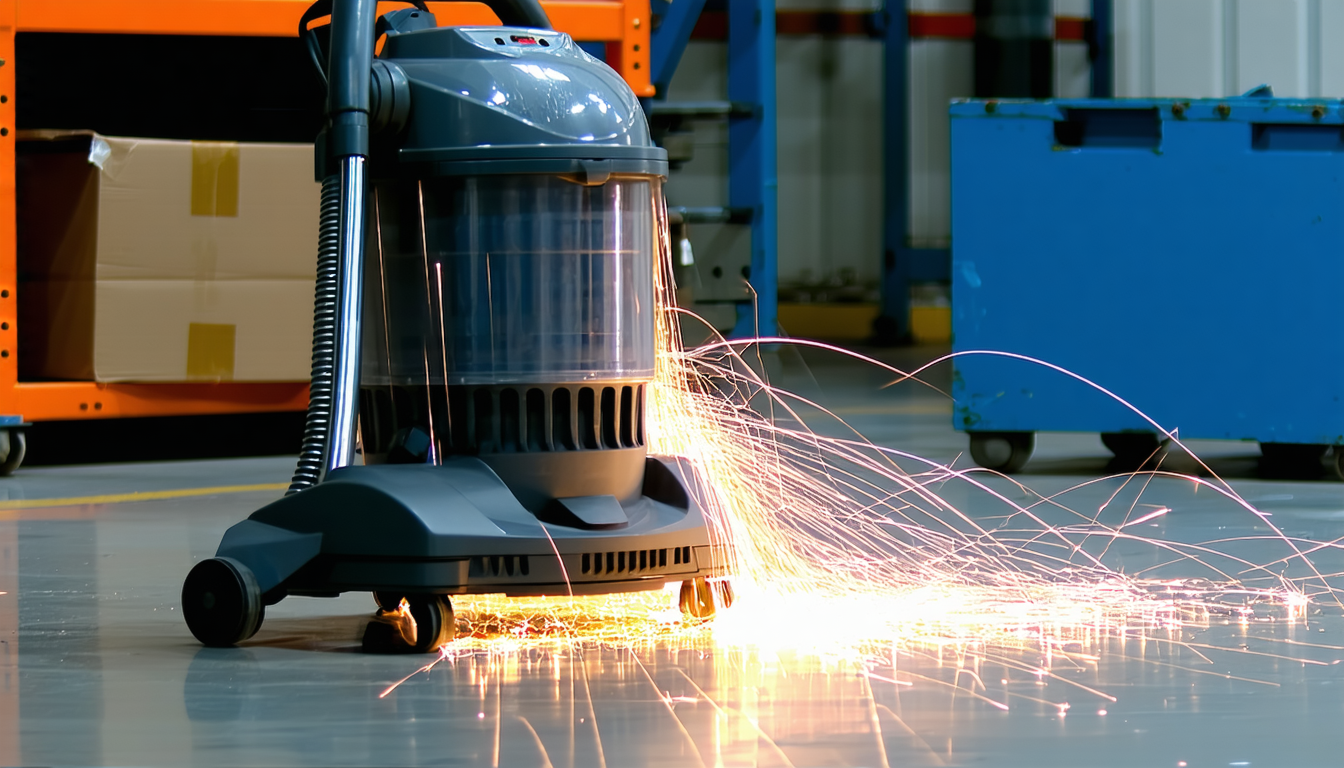
Shop vacuums create ignition sources through static electricity buildup. Standard household and commercial vacuums generate over 15,000 volts during operation,enough static charge to ignite most combustible dusts on contact.
Your housekeeping program must specify approved tools that prevent ignition while removing accumulated material.
| Tool Type | Static Generation | Combustible Dust Safe | Cost Range | NFPA Compliance |
|---|---|---|---|---|
| Grounded pneumatic vacuum | None | Yes | $2,500-8,000 | Meets NFPA 660 |
| Conductive brush systems | Minimal | Yes | $150-400 | Approved method |
| Wet cleaning with water | None | Yes (non-reactive dust) | $50-200 | Case-by-case basis |
| Explosion-proof vacuum | None | Yes | $5,000-15,000 | Full compliance |
| Standard shop vacuum | 15,000+ volts | No | $200-800 | Prohibited |
| Compressed air blowdown | High dispersion | No | $100-300 | Creates dust clouds |
| Dry sweeping/brushing | Static + dispersion | No | $20-80 | Banned by NFPA 660 |
Grounded pneumatic systems prevent static buildup through continuous electrical connection to facility ground systems. The vacuum motor stays outside the dust collection area, eliminating ignition sources.
Conductive brushes with grounding straps dissipate static charges during cleaning. These work for light accumulation but cannot handle thick deposits that require vacuum removal.
Wet cleaning eliminates both static generation and dust dispersion. Water dissolves or captures particles before they become airborne. This method works only with dusts that don’t react with moisture.
Prohibited methods include compressed air blowdowns, which create dense dust clouds, and dry sweeping, which generates static electricity while dispersing combustible particles into ignition range.
How Often Must You Inspect: Frequency Requirements That Prevent Citations
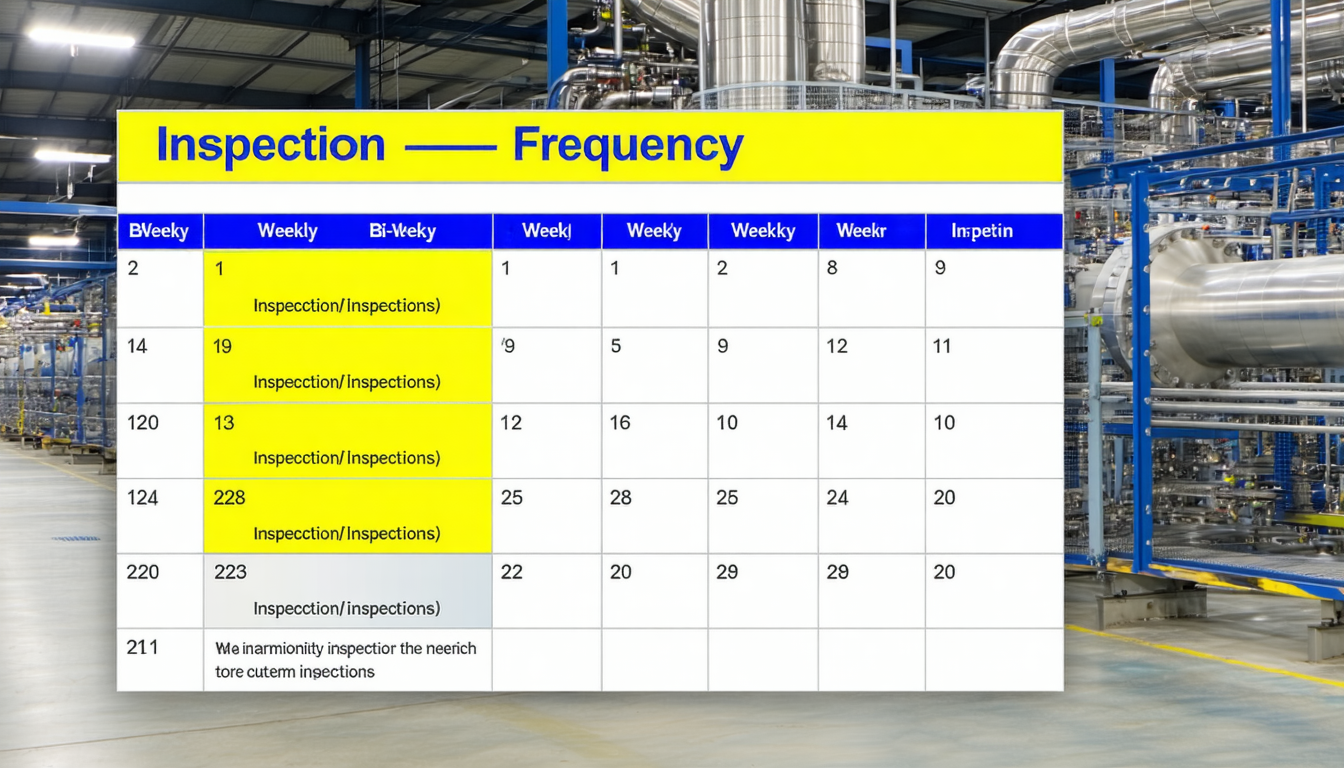
OSHA NEP requires documented inspection frequency based on dust generation rates. High-volume operations need inspection every 8 hours, while low-generation areas can extend to weekly schedules with proper justification.
Your housekeeping program must establish inspection frequency that prevents accumulation above 1/32 inch between checks.
High dust generation areas require 8-hour inspection cycles. This includes grinding, sanding, mixing, and conveying operations. Document inspection time, accumulation depth, and cleaning actions for each check.
Moderate generation areas need daily inspections. Packaging, assembly, and material handling zones generate dust intermittently. Single daily checks during shift changes catch accumulation before threshold violations.
Low generation areas allow 72-hour cycles. Offices, break rooms, and administrative spaces adjacent to production need regular monitoring but accumulate dust slowly. Weekly cleaning often suffices.
Overhead surfaces need weekly inspection minimum. Beams, ductwork, and equipment tops collect dust continuously but remain hidden from daily visual checks. Monthly deep cleaning prevents thick accumulation.
Equipment shutdown periods require immediate inspection. Dust settles rapidly when ventilation systems stop. Check all surfaces within 2 hours of equipment restart to catch unusual accumulation patterns.
Weather changes trigger additional checks. Humidity shifts affect dust settling rates and electrostatic behavior. Inspect critical areas within 24 hours of significant weather changes.
Document each inspection with date, time, inspector name, and findings. Missing documentation creates automatic citation risk even when dust levels stay compliant.
Shift handoffs provide natural inspection timing. Outgoing workers check their areas and report findings to incoming staff, creating continuous monitoring without dedicated inspection time.
Printable Inspection Template: Documentation That Passes OSHA Review
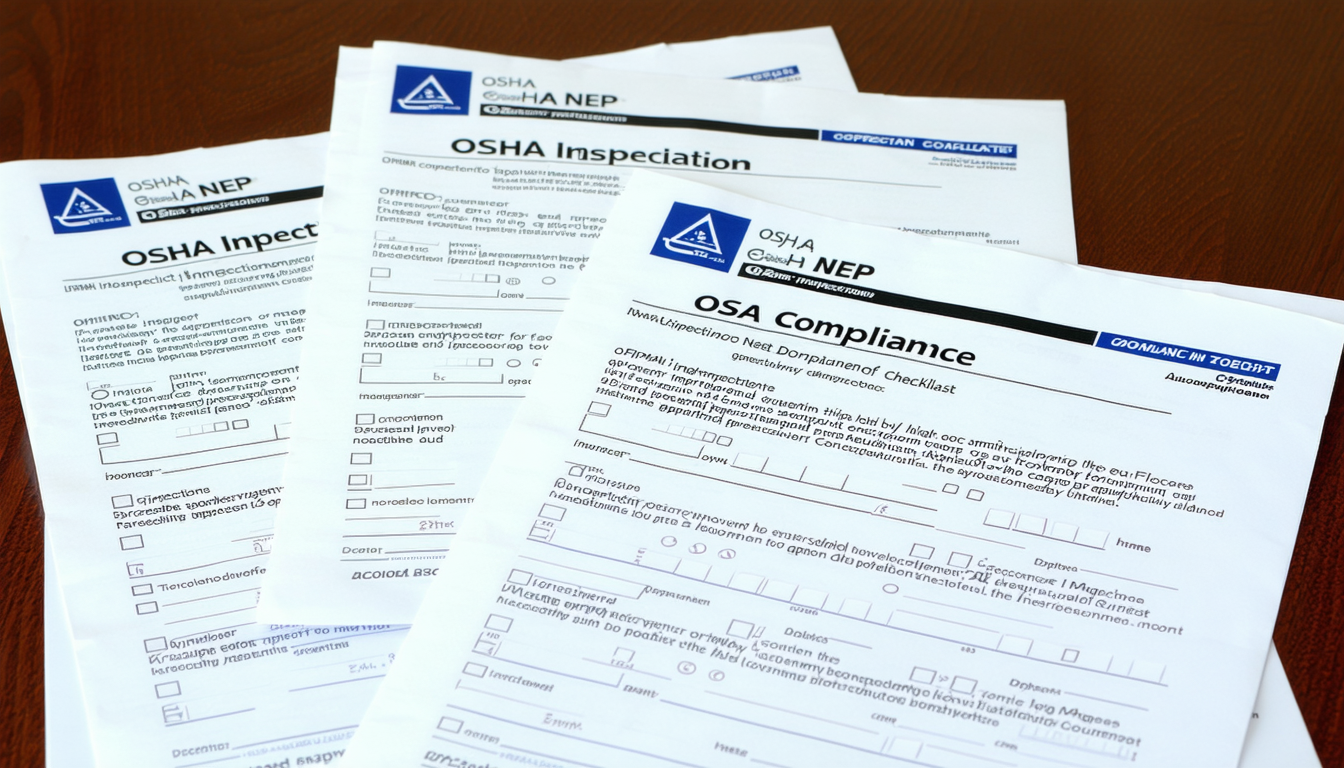
Housekeeping program requires written documentation with inspector signatures. OSHA NEP inspectors specifically request inspection records during facility walkthroughs. Missing or incomplete records trigger immediate citations regardless of actual cleanliness levels.
Your inspection template must capture all required data points that satisfy regulatory scrutiny.
Create location-specific checksheets. List all 12 critical inspection points for each work area. Include equipment ID numbers, surface descriptions, and measurement requirements for consistent documentation.
Add measurement recording spaces. Provide boxes for dust depth readings, measurement method used, and photographic evidence file numbers. Inspectors verify measurement consistency across similar surfaces.
Include corrective action tracking. Document cleaning method, completion time, and follow-up inspection requirements. Unclosed corrective actions create ongoing citation liability.
Require supervisor signatures. Trained supervisors must verify inspection accuracy and cleaning completion. OSHA NEP inspectors specifically look for supervisor involvement and combustible dust training documentation.
Track training compliance. Record inspector training dates, certification levels, and competency verification. Untrained personnel cannot perform regulatory inspections regardless of experience level.
Document equipment calibration. List measurement tool calibration dates and accuracy verification. Inspectors question measurement consistency when tools lack calibration records.
Add weather and operational notes. Record production levels, ventilation status, and environmental conditions during inspection. These factors affect dust accumulation patterns and regulatory interpretation.
Template includes checkboxes for each critical point, measurement spaces, and corrective action tracking. Pre-printed forms prevent documentation gaps that create citation risk during OSHA NEP reviews.
Store completed forms for three years minimum. Inspectors often request historical records to identify accumulation trends and housekeeping program effectiveness over time.
Frequently Asked Questions
Can I use a regular broom to clean combustible dust?
Regular brooms create dangerous dust clouds and static electricity during sweeping. NFPA 660 prohibits dry sweeping of combustible dust because it disperses particles into the air and generates static charges that can ignite the suspended dust. Use grounded vacuum systems or wet cleaning methods instead.
Who needs to sign off on combustible dust housekeeping inspections?
A trained supervisor must sign each inspection record to verify completion and accuracy. OSHA NEP inspectors specifically look for supervisor signatures and training documentation during compliance reviews. The supervisor must have current combustible dust training certification to validate inspection results.
What happens if I find dust accumulation over 1/32 inch during inspection?
You must clean the area immediately and document the corrective action in your inspection log. Continuing operations with dust accumulation above the threshold creates immediate citation risk and explosion hazard. Stop work in the affected area until cleaning is complete and accumulation returns below 1/32 inch depth.