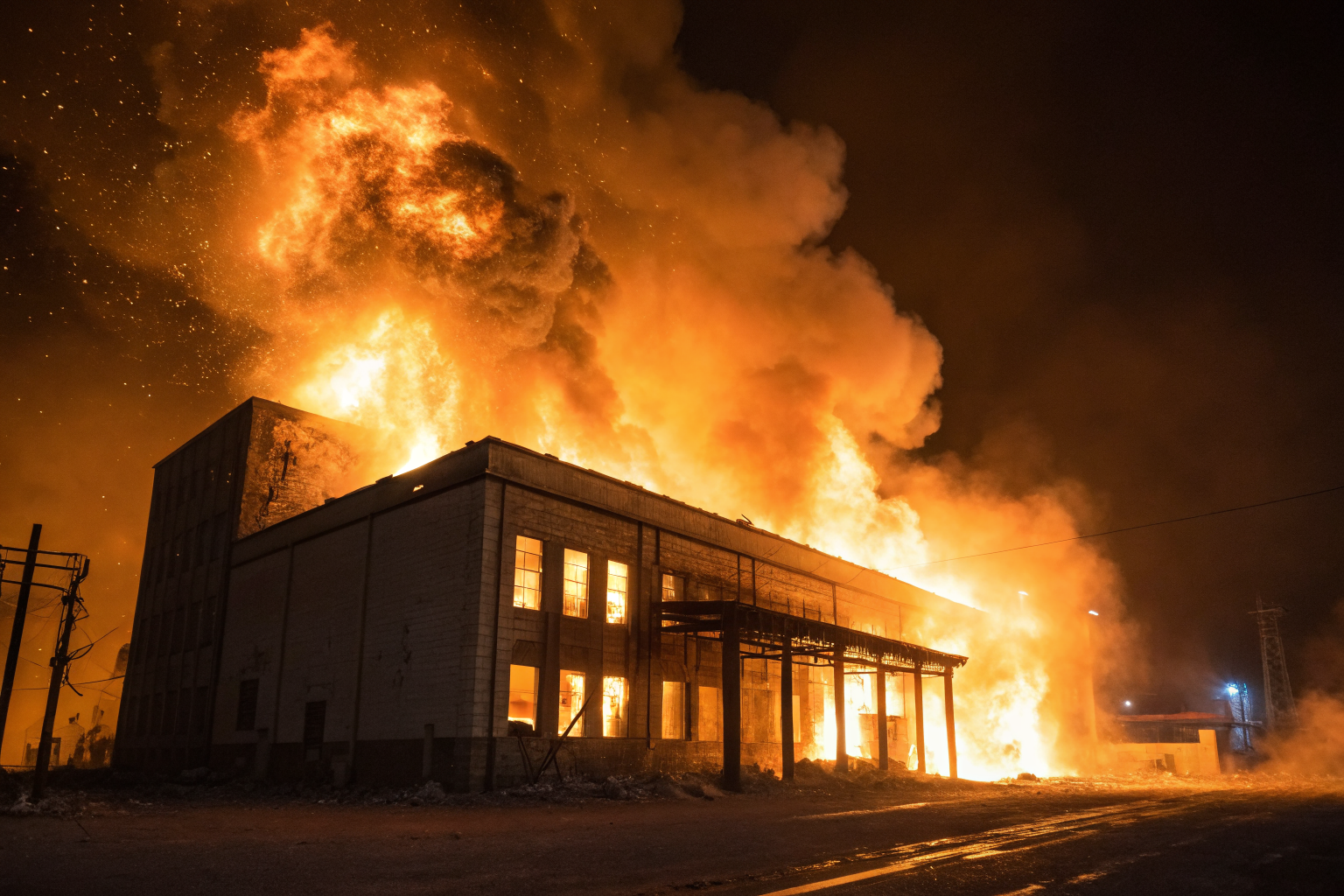
The Imperial Sugar dust explosion on February 7, 2008 killed 14 workers and triggered the most comprehensive expansion of combustible dust enforcement in U.S. industrial history. This single incident reshaped how OSHA enforces dust explosion safety across American manufacturing.
Key Takeaways:
- The primary explosion killed 7 workers instantly, but secondary explosions from accumulated dust throughout the facility killed 7 more, proving dust accumulation creates facility-wide hazard zones
- CSB found 40+ years of sugar dust accumulation on overhead surfaces, with depths exceeding 2 inches in many areas, far beyond the 1/32-inch threshold that triggers hazard classification
- OSHA’s National Emphasis Program expanded from 31 targeted industries to facility-wide enforcement after Imperial Sugar, resulting in 400% more combustible dust citations between 2008-2012
What Happened at Imperial Sugar on February 7, 2008?
The explosion sequence began at 7:16 PM in the packaging building at Imperial Sugar’s Port Wentworth, Georgia facility. A primary deflagration occurred when accumulated sugar dust ignited, creating an initial blast that killed 7 workers instantly. The primary explosion’s shock wave disturbed decades of sugar dust accumulation throughout the interconnected facility.
Secondary explosions triggered within seconds as the initial blast’s pressure wave lofted accumulated dust into the air, creating explosive fuel-air mixtures in multiple locations. These secondary explosions propagated through silos, conveyor systems, and the main production building. The secondary blasts killed 7 additional workers and injured 42 more.
The facility’s interconnected design allowed the explosion to propagate across multiple buildings through shared ventilation systems and material handling equipment. Sugar dust that had accumulated for decades on overhead surfaces, equipment housings, and structural beams became the fuel source for a facility-wide explosion sequence. The primary blast in one building created the conditions for explosive atmospheres throughout the entire complex.
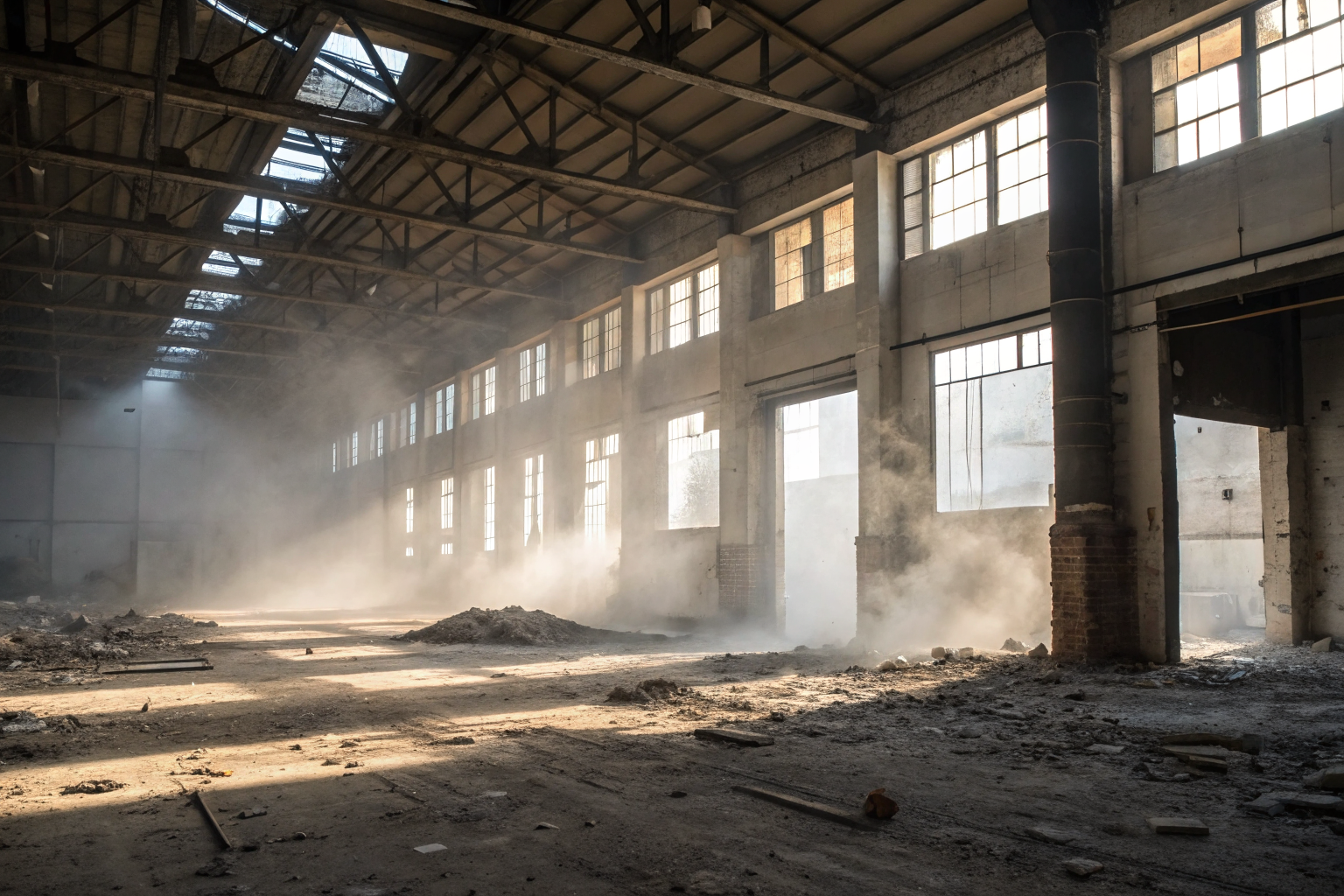
Emergency responders found extensive structural damage across the 58-acre facility. The packaging building where the primary explosion occurred suffered catastrophic damage, with walls blown out and the roof collapsed. Secondary explosion damage extended through grain silos, the main production building, and administrative areas. The extent of damage reflected how accumulated combustible dust had turned the entire facility into a potential explosion hazard.
What Caused the Imperial Sugar Dust Explosion?
| Factor | Imperial Sugar Conditions |
|---|---|
| Dust Accumulation | 40+ years of sugar dust buildup, depths exceeding 2 inches |
| Ignition Source | Steel-on-steel friction from conveyor belt misalignment |
| Housekeeping | No systematic dust removal program, accumulation on all surfaces |
| Engineering Controls | Inadequate ventilation, no explosion protection systems |
| Management Systems | No dust hazard analysis, no written combustible dust program |
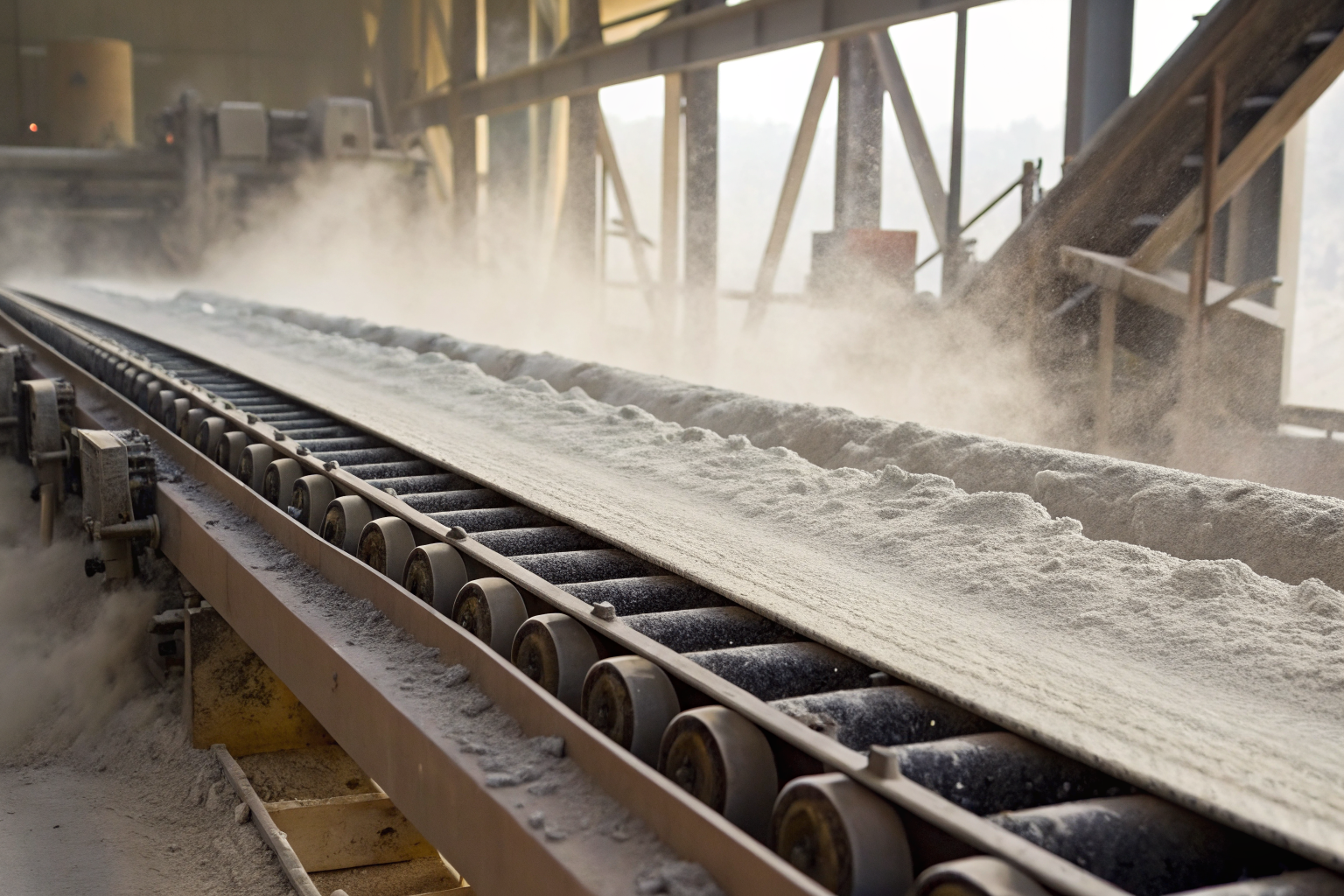
The Chemical Safety Board investigation identified steel-on-steel friction as the ignition source. A conveyor belt in the packaging building had become misaligned, causing metal components to contact each other and generate sparks. This ignition source contacted accumulated sugar dust that had built up around the conveyor system over years of inadequate housekeeping.
Sugar dust accumulation patterns showed systematic housekeeping failures. The CSB found sugar dust depths exceeding 2 inches on overhead surfaces throughout the facility, far beyond the 1/32-inch accumulation threshold that creates combustible dust hazards. This accumulation had built up over 40+ years without effective removal procedures.
Ventilation system design contributed to dust migration and accumulation. The facility’s pneumatic conveying systems and shared ventilation allowed sugar dust to spread throughout interconnected buildings. When the primary explosion occurred, these same systems became pathways for explosion propagation to areas with accumulated dust.
CSB Investigation Findings: The Complete Failure Analysis

The Chemical Safety Board identified 12 specific safety management system failures that enabled the Imperial Sugar incident:
No dust hazard analysis conducted, The facility never performed a systematic evaluation of combustible dust hazards as required by NFPA standards. This fundamental gap meant management didn’t understand the extent of their dust accumulation problem.
Inadequate housekeeping procedures, No written program existed for controlling sugar dust accumulation. Workers had no training on safe dust removal methods or inspection frequencies.
Missing engineering controls, The facility lacked explosion protection systems like venting, suppression, or isolation that could have limited blast propagation between buildings.
Deficient ignition source control, No hot work permit system existed for maintenance activities. Equipment inspection procedures failed to identify and correct the conveyor misalignment that created the friction ignition source.
Inadequate management oversight, Senior management didn’t recognize combustible dust as a significant hazard. The facility operated without written combustible dust procedures or assigned responsibilities.
Training gaps, Workers and supervisors received no training on combustible dust hazards, safe work practices, or emergency response procedures specific to dust explosions.
Poor facility design, Interconnected buildings and shared ventilation systems allowed explosion propagation without compartmentalization or isolation barriers.
Emergency response deficiencies, No dust explosion emergency response plan existed. The facility’s evacuation procedures didn’t account for multi-building explosion scenarios.
How Did Imperial Sugar Change OSHA Enforcement?

The Imperial Sugar incident triggered OSHA to create and expand its National Emphasis Program for combustible dust in 2008. Before Imperial Sugar, OSHA’s combustible dust enforcement focused on 31 specific industries considered high-risk. After the incident, OSHA expanded NEP coverage to any facility where combustible dust hazards exist, regardless of industry classification.
OSHA shifted from reactive to proactive enforcement using the General Duty Clause. Section 5(a)(1) requires employers to provide workplaces “free from recognized hazards.” After Imperial Sugar, OSHA began citing facilities for combustible dust violations even without specific OSHA combustible dust standards. This enforcement strategy relies on NFPA consensus standards as the benchmark for recognized industry practices.
Combustible dust citations increased 400% between 2008-2012 as OSHA expanded inspection frequency and targeting criteria. The agency began conducting programmed inspections based on industry codes, employee complaints, and insurance audit referrals. Facilities that previously flew under OSHA’s radar found themselves subject to comprehensive combustible dust inspections.
The enforcement expansion affected insurance audit practices across manufacturing industries. Insurance companies began requiring dust hazard analysis documentation and NFPA compliance verification as conditions for coverage renewal. This created a compliance feedback loop where insurance requirements drove facility improvements independent of direct OSHA enforcement.
Which Imperial Sugar Compliance Failures Still Happen Today?
Current OSHA combustible dust citations mirror the same systemic failures found at Imperial Sugar:
Conduct systematic dust accumulation monitoring, Over 60% of current citations involve housekeeping violations where facilities allow dust accumulation beyond safe thresholds. These violations follow the same pattern as Imperial Sugar’s 40+ year accumulation problem.
Implement written combustible dust procedures, Facilities continue operating without documented dust hazard analysis or written safety programs. OSHA finds this management system gap in approximately 45% of combustible dust inspections.
Control ignition sources through hot work permits, Maintenance activities that create sparks, heat, or friction continue without proper controls. The steel-on-steel friction that ignited Imperial Sugar’s explosion represents a common ignition source category in current citations.
Install appropriate engineering controls, Many facilities still lack explosion protection systems appropriate for their dust hazard classification. This mirrors Imperial Sugar’s absence of venting, suppression, or isolation systems.
Train workers on dust explosion hazards, Training deficiencies appear in current citations at rates similar to Imperial Sugar’s findings. Workers often don’t understand how their daily activities affect combustible dust accumulation or ignition source creation.
Insurance audit findings reflect these same compliance gaps. When facilities receive combustible dust audit letters, the most common deficiencies involve housekeeping documentation, dust hazard analysis completion, and engineering control adequacy, the same three areas where Imperial Sugar failed catastrophically.
Frequently Asked Questions
How many people died in the Imperial Sugar explosion?
The Imperial Sugar explosion killed 14 workers total. Seven workers died in the initial explosion in the packaging building, and seven more died from secondary explosions that occurred throughout the facility as accumulated dust was disturbed by the primary blast.
Could the Imperial Sugar explosion have been prevented?
Yes, CSB concluded the explosion was preventable through proper housekeeping and dust control measures. The facility had 40+ years of sugar dust accumulation far exceeding safe levels, and implementing standard NFPA housekeeping requirements would have eliminated the fuel source for secondary explosions.
What was the total cost of the Imperial Sugar explosion?
While exact figures weren’t publicly disclosed, industry estimates place the total cost above $200 million including facility reconstruction, legal settlements, regulatory fines, and business interruption. The facility remained closed for over two years following the incident.