
Explosion proof dust collectors don’t prevent explosions, they contain the blast pressure within the housing. Most facilities misunderstand this critical difference, assuming the “explosion proof” rating prevents ignition when it actually means the enclosure can withstand the pressure wave without rupturing.
Key Takeaways:
- Explosion proof dust collectors contain blast pressure within the housing, they don’t prevent ignition
- True explosion proof ratings require containment up to 14.7 psi minimum blast pressure
- 87% of dust collector explosions propagate through ductwork when isolation systems fail
What Does Explosion Proof Mean for Dust Collectors?
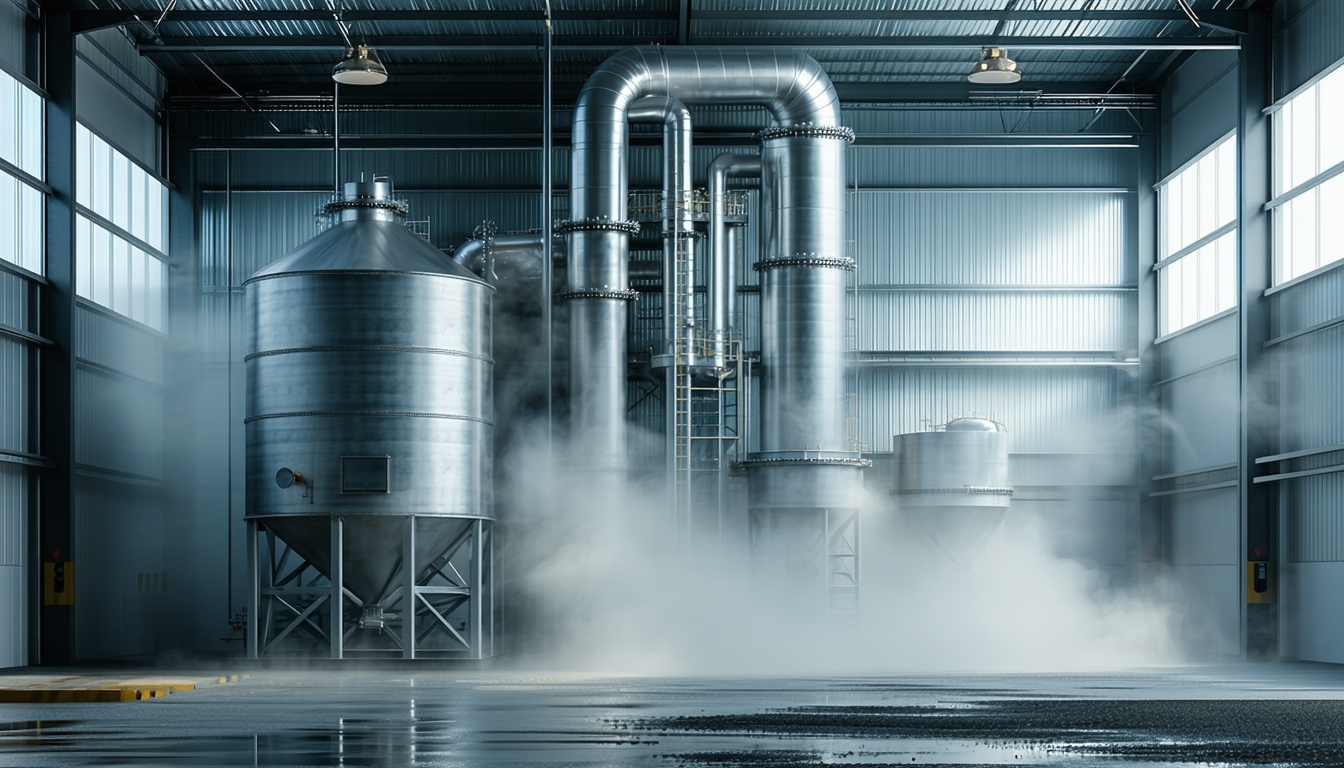
Explosion proof rating is a containment specification. This means the equipment housing can withstand internal blast pressure without structural failure or flame transmission to the surrounding area. The rating does not prevent deflagration from occurring inside the unit.
The confusion starts with terminology. “Explosion proof” sounds like prevention, but it’s actually about containment. When combustible dust ignites inside an explosion proof dust collector, the blast pressure builds rapidly. The reinforced housing contains this pressure wave, preventing the enclosure from rupturing and projecting debris.
True explosion proof ratings require pressure containment capability of 14.7 psi minimum blast pressure. This threshold comes from the maximum explosion pressure most combustible dusts generate during deflagration. The housing must also prevent flame transmission through any joints or openings.
Class II electrical requirements form another component of explosion proof ratings. All electrical components inside the housing must meet Division 1 specifications. This prevents electrical ignition sources from triggering dust explosions, but doesn’t eliminate other ignition sources like friction sparks or hot surfaces.
The containment vs prevention concept matters because facilities often skip other dust explosion protection measures when they have “explosion proof” equipment. The rating addresses containment only. You still need proper housekeeping, ignition source control, and explosion isolation for complete protection.
How Do You Know If Your Dust Collector Is Actually Explosion Proof?

Vendor claims require third-party certification verification. Marketing materials often use “explosion proof” loosely, but legitimate ratings come with specific documentation from recognized testing laboratories.
| Feature | Requirement |
|---|---|
| Pressure rating | 14.7 psi minimum containment |
| Electrical certification | UL 1203 Class II Division 1 |
| Testing standard | NFPA 68 or equivalent |
| Documentation | Third-party test report |
| Enclosure material | Reinforced steel construction |
UL 1203 standard requirements for Class II Division 1 electrical enclosures specify the construction details for legitimate explosion proof ratings. The standard covers joint design, material thickness, fastener requirements, and electrical penetration specifications.
Look for these red flags in vendor documentation: vague pressure ratings, self-certification claims, or “explosion resistant” terminology instead of “explosion proof.” Legitimate explosion proof equipment costs significantly more than standard units due to the reinforced construction requirements.
Request the actual test report, not just a certificate. The report shows the test pressure, duration, and flame transmission results. Some vendors provide explosion protection through venting or suppression systems but market them as “explosion proof” when they’re actually explosion protected through different methods.
The housing construction tells the story. Explosion proof units have visibly thicker walls, reinforced access doors, and specialized electrical penetrations. Standard dust collectors modified with heavier gauge steel don’t meet explosion proof requirements unless they’ve undergone proper testing and certification.
Explosion Proof vs Explosion Protected: Critical Differences
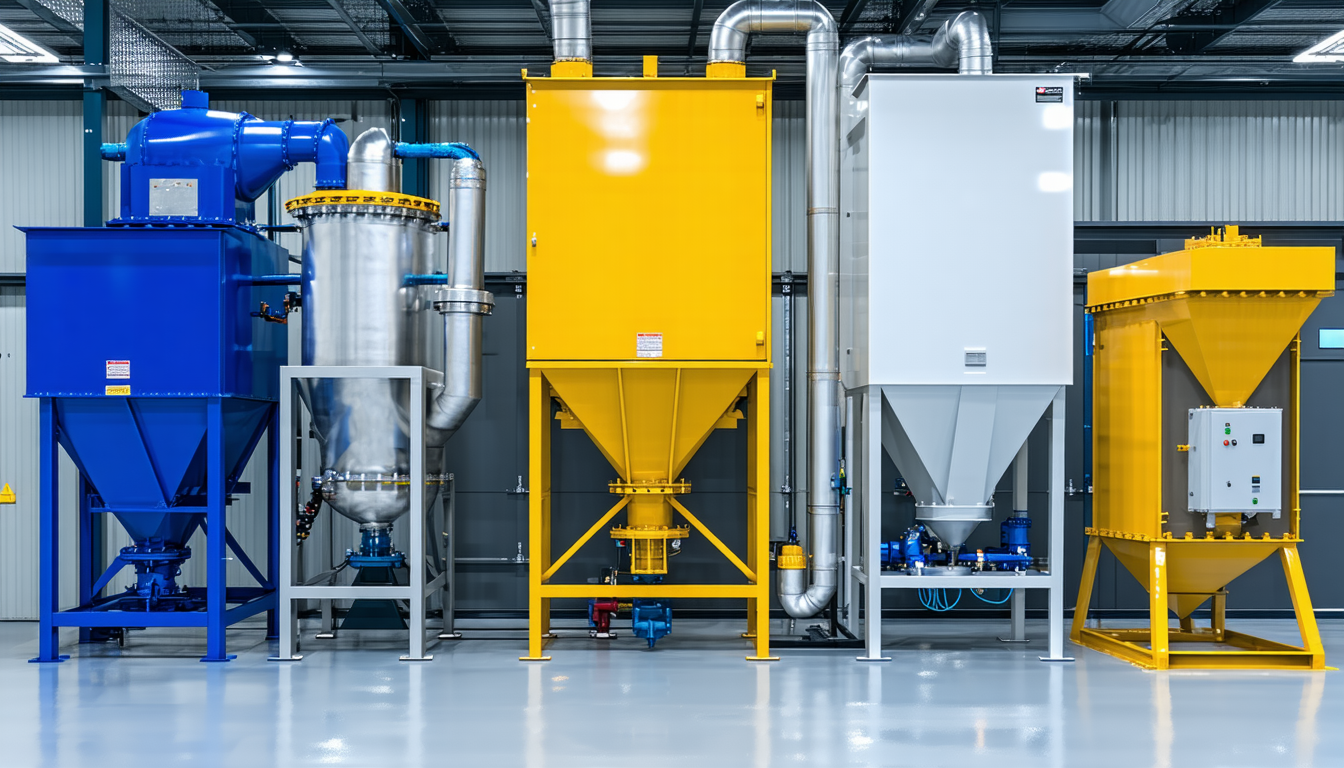
Explosion protection systems include venting and suppression alternatives to containment. Each method addresses dust explosion hazards through different mechanisms, with distinct cost and application profiles.
| Feature | Explosion Proof | Explosion Vent Panel | Suppression System | Isolation Valve |
|---|---|---|---|---|
| Protection method | Pressure containment | Pressure relief | Chemical suppression | Propagation prevention |
| Response time | Not applicable | 50-150 milliseconds | 20-50 milliseconds | 5-20 milliseconds |
| Cost multiplier | 300-400% of standard | 150-200% of standard | 200-300% of standard | 50-100% of standard |
| Maintenance | Minimal | Vent replacement | Agent refill | Valve inspection |
Explosion venting activates within 50-150 milliseconds vs suppression at 20-50 milliseconds. Vented systems release blast pressure through rupture panels, while suppression systems inject chemical agents to interrupt the combustion process. Both methods protect equipment and personnel but through different mechanisms.
Containment works best for indoor installations where venting isn’t practical. Facilities with limited outdoor space or strict environmental requirements often choose explosion proof containment over venting systems that discharge combustion products outside.
Suppression systems offer the fastest response time but require ongoing maintenance and agent replacement. Explosion proof containment requires no consumables but costs more upfront due to the reinforced construction requirements.
Combination approaches use multiple protection methods. Many facilities pair explosion proof dust collectors with isolation valve systems to prevent deflagration propagation through connected ductwork. The explosion proof rating protects the collector housing while isolation valves protect upstream equipment.
When Does NFPA 660 Require Explosion Proof Dust Collectors?
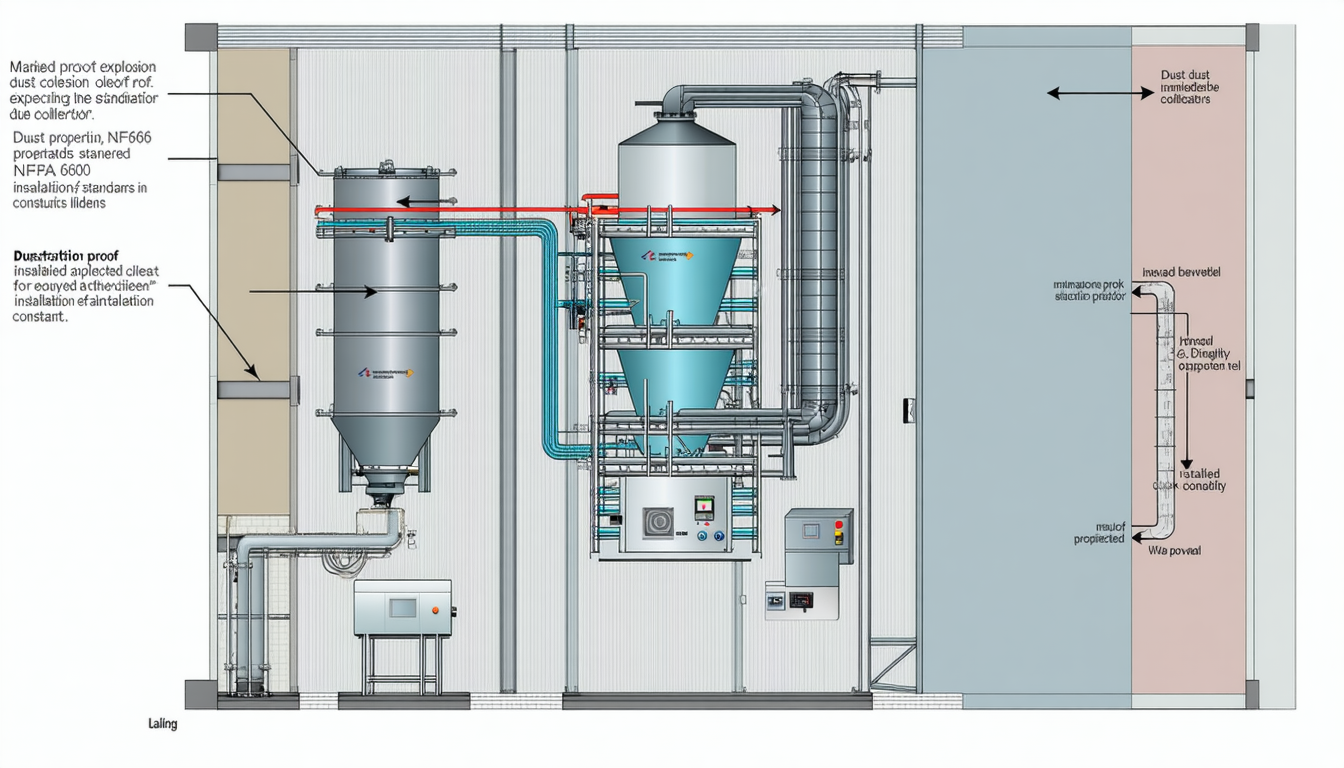
NFPA 660 specifies protection method selection criteria based on facility layout, dust properties, and installation constraints. The standard doesn’t mandate explosion proof containment for all applications but identifies conditions where it’s required.
Evaluate indoor installation requirements. NFPA 660 Section 7.2.1 requires containment or suppression for dust collectors installed inside buildings where venting isn’t feasible or would create secondary hazards.
Check facility location constraints. Buildings adjacent to property lines, public access areas, or other structures may prohibit explosion venting discharge, making containment the required protection method.
Assess downstream equipment vulnerability. Installations where explosion venting could damage adjacent equipment or create personnel hazards must use containment or suppression instead of venting systems.
Review dust explosion characteristics. High Kst dusts generating pressure rise rates above 300 bar-m/s may require containment when venting systems can’t provide adequate protection within available space constraints.
Consider multi-story installations. Dust collectors on upper building levels typically require containment since venting systems create structural loading concerns and installation complications.
The decision tree process weighs protection effectiveness against installation constraints. NFPA 660 allows any protection method that meets the calculated requirements for the specific dust and installation conditions.
Facilities often choose explosion proof containment when other protection methods create operational complications or ongoing maintenance burdens, even when not strictly required by the standard.
Questions to Ask Vendors About Explosion Proof Claims

Vendor evaluation requires specific certification documentation to verify legitimate explosion proof capabilities. Use these questions to separate real explosion proof equipment from marketing claims.
What’s the certified pressure containment rating? Legitimate explosion proof units specify the exact pressure rating in psi, typically 14.7 psi minimum. Vague answers like “explosion resistant” or “heavy duty construction” indicate the unit isn’t truly explosion proof.
Which testing laboratory provided the certification? UL, FM Approvals, or other recognized labs test explosion proof equipment. Self-certification or unknown testing facilities don’t meet NFPA requirements for explosion proof ratings.
Can you provide the complete test report? The full test report shows pressure testing, flame transmission results, and electrical component certification. Certificates without supporting test data are insufficient for compliance verification.
What electrical classification do the components meet? All electrical components must meet Class II Division 1 requirements. Standard electrical components in reinforced housings don’t qualify as explosion proof regardless of housing construction.
How does your explosion proof rating compare to explosion venting costs? Legitimate explosion proof equipment costs 300-400% more than standard units. If the price difference seems small, the unit probably isn’t truly explosion proof.
Red flag terminology includes “explosion resistant,” “blast resistant,” or “heavy duty” instead of “explosion proof.” These terms suggest enhanced construction without certified explosion proof capabilities.
Request documentation for both mechanical and electrical certifications. Some vendors provide mechanically sound housings with non-certified electrical components, creating compliance gaps that insurance auditors and OSHA inspectors will identify.
Frequently Asked Questions
Can I retrofit my existing dust collector to be explosion proof?
Retrofitting requires complete housing replacement and electrical system upgrades to meet Class II Division 1 requirements. The containment vessel must be engineered for specific blast pressures, making retrofit more expensive than replacement in most cases. Most facilities find that purchasing a new explosion proof unit costs less than retrofitting existing equipment.
What’s the cost difference between explosion proof and vented dust collectors?
Explosion proof housings cost 300-400% more than standard collectors due to reinforced construction and certified electrical components. Vented systems with isolation typically cost 150-200% of standard collectors, making them the more economical protection choice for most applications. The higher cost reflects the specialized materials and testing required for pressure containment.
Do explosion proof dust collectors still need isolation valves?
Yes, explosion proof collectors still require isolation valve systems to prevent deflagration propagation through inlet ductwork. The explosion proof rating only applies to the collector housing, connected ductwork and equipment remain vulnerable without isolation protection. Most installations combine explosion proof collectors with isolation valves for complete system protection.