
Most dust collector explosion vent systems fail because facilities treat vent panels as an afterthought rather than an engineered safety system. Your collector’s life depends on proper vent sizing and placement.
Key Takeaways:
- Vent area calculation requires your dust’s Kst value, collector volume, and target Pred pressure, guessing any variable creates compliance gaps
- Pstat burst pressure must be 33% below your collector’s design pressure rating to prevent structural failure during venting
- Indoor vent installations require flame arrestors and ductwork that typically double the system cost compared to outdoor venting
What Are Explosion Vent Panels and How Do They Protect Dust Collectors?
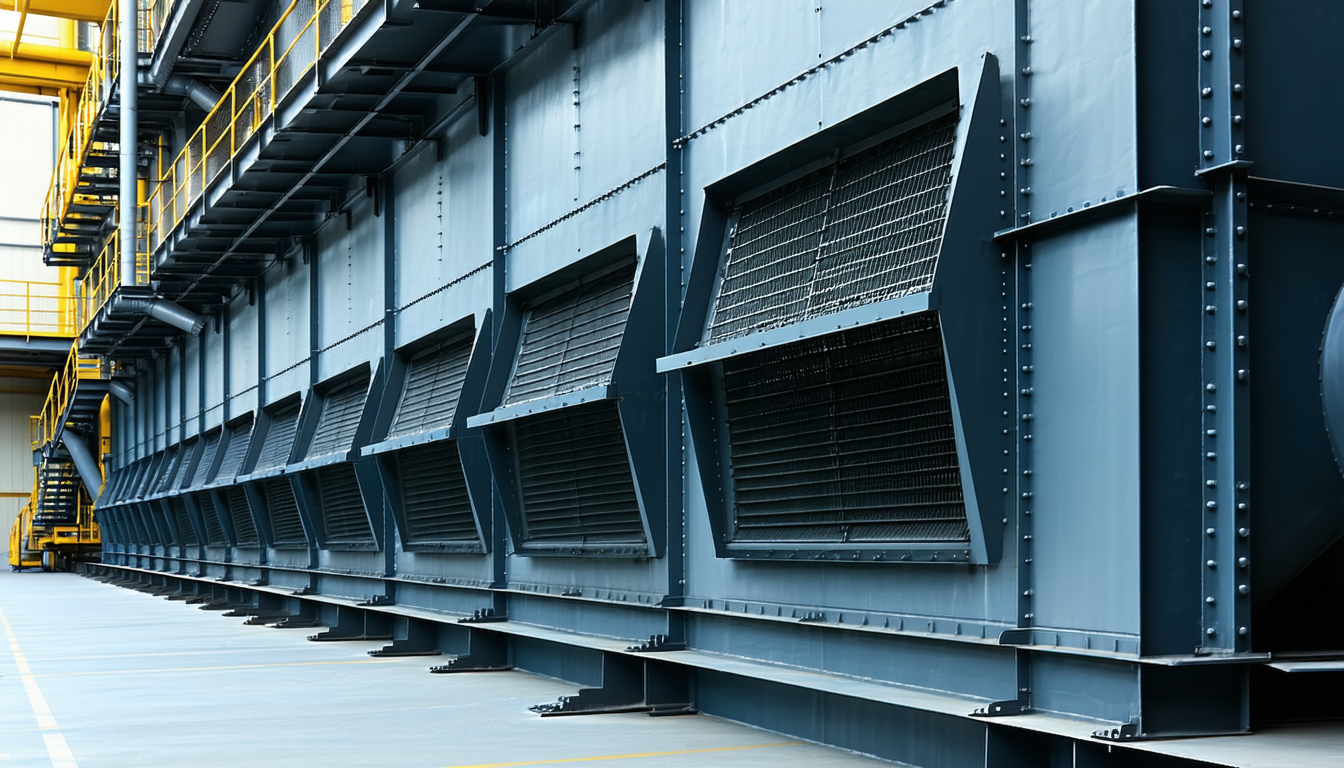
Explosion vent panels are pressure-relief devices that protect dust collectors by releasing combustion pressure during a deflagration event. This means they act as controlled failure points that open when internal pressure exceeds a predetermined threshold, preventing catastrophic structural damage to your equipment.
Vent panels work through rapid pressure relief. When combustible dust ignites inside your collector, the deflagration creates a pressure wave that builds faster than the equipment can withstand. The vent panel bursts open in 5-20 milliseconds, channeling the expanding gases and flame front away from the collector housing. This redirects the explosion energy outward instead of allowing it to destroy your equipment from within.
These panels differ from other dust explosion protection methods in their passive operation. Unlike suppression systems that detect and chemically interrupt the combustion process, or isolation valves that prevent flame propagation between connected equipment, vent panels provide mechanical pressure relief without requiring detection systems or active intervention.
NFPA 68 requires explosion venting for dust collectors that process combustible materials and cannot meet the stringent construction requirements for explosion-resistant design. The standard recognizes that most industrial dust collectors lack the structural integrity to contain a dust explosion, making pressure venting the primary protection method for these systems.
How Do You Calculate Vent Area Requirements for Your Dust Collector?
Vent area calculation follows NFPA 68 methodology using your dust’s reactivity data, collector dimensions, and pressure targets:
Obtain your dust’s Kst value from ASTM E1226 testing. NFPA 68 requires Kst values from standardized testing with minimum 10-gram samples. Your Kst value quantifies how rapidly pressure develops during deflagration, higher Kst dusts need larger vent areas.
Measure your collector’s internal volume accurately. Include all connected ductwork and hoppers that remain open during operation. Underestimating volume creates undersized vents that won’t provide adequate pressure relief.
Set your target Pred pressure based on collector design limits. Pred represents the maximum pressure your collector will experience after venting begins. This must stay below your equipment’s structural rating with safety margin.
Apply the NFPA 68 vent area formula using these inputs. The calculation involves the cube root relationship between vent area, enclosure volume, and dust reactivity. Professional engineers typically perform these calculations since errors create life-safety risks.
Account for vent panel efficiency factors if using non-standard designs. Standard rupture panels have efficiency factors near 1.0, but panels with flame arrestors or ductwork connections require larger areas to achieve the same pressure relief.
Common sizing mistakes include using Kst values from different dust samples, measuring only the main collector body without connected volumes, or applying conservative “safety factors” that actually create oversized systems with poor activation characteristics.
What Are Pstat and Pred Pressures in Explosion Venting?

Pstat is the static burst pressure at which your vent panel activates under normal conditions. This means the panel is engineered to rupture when internal pressure reaches this predetermined threshold, typically ranging from 0.5 to 2.0 psig for dust collector applications.
Pred represents the reduced explosion pressure, the maximum pressure your collector experiences after the vent panel opens and pressure relief begins. This pressure occurs because venting takes time to develop, allowing some pressure buildup before relief becomes effective.
The critical relationship between these values protects your equipment from structural failure. Pstat must be at least 33% below your collector’s design pressure rating to prevent damage during the brief period before venting becomes effective. If your collector is rated for 15 psig internal pressure, your Pstat should not exceed 10 psig.
This pressure differential accounts for the dynamic nature of dust explosions. Even with proper vent sizing, internal pressure will exceed Pstat before declining to Pred levels. Your collector must withstand this temporary pressure spike without permanent deformation or joint failure.
Vent panel manufacturers specify Pstat ratings with tolerance ranges, typically ±10% of the nominal value. You need to account for this variation when selecting panels to ensure activation occurs before reaching dangerous pressure levels.
Indoor vs Outdoor Vent Installation Requirements
| Feature | Indoor Installation | Outdoor Installation |
|---|---|---|
| Flame arrestor required | Yes, NFPA 68 mandate | No, direct venting allowed |
| Ductwork pressure rating | Must match collector design pressure | Not required |
| Building code approval | Required for structural modifications | Minimal permitting needed |
| Maintenance access | Limited by building constraints | Full access for inspection |
| Weather protection | Not needed | Panel covers required |
| Installation cost factor | 150-200% of base cost | Base cost |
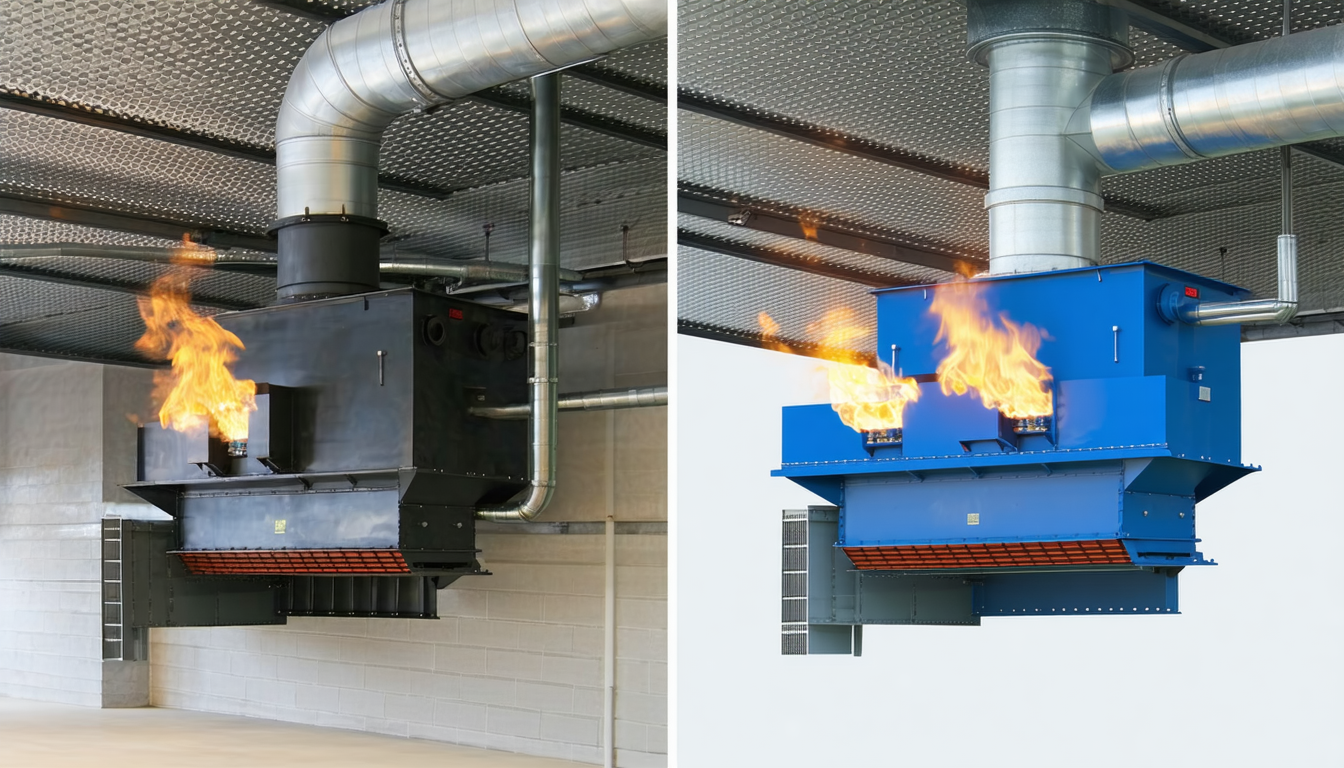
Indoor installations require flame arrestors to prevent ignited gases from creating secondary fires within your facility. These devices add significant cost and complexity since they must be sized for the full vent flow while maintaining the required pressure relief characteristics.
Ductwork for indoor systems must be pressure-rated to handle the explosion pressures, not just the flame and gas flow. This means heavy-wall construction that can withstand the initial pressure spike before gases reach the arrestor and exterior discharge point.
Outdoor installations allow direct venting without flame arrestors since the discharged gases and flame can safely disperse in open air. This simplicity reduces both equipment costs and ongoing maintenance requirements, making outdoor placement the preferred option when building layout permits.
Building codes often require structural analysis for indoor vent installations to ensure the discharge forces don’t damage your facility. The reaction force from rapidly venting gases can exceed several thousand pounds, requiring adequate structural support at the discharge location.
What Happens After Vent Panel Activation and When Do You Replace Them?
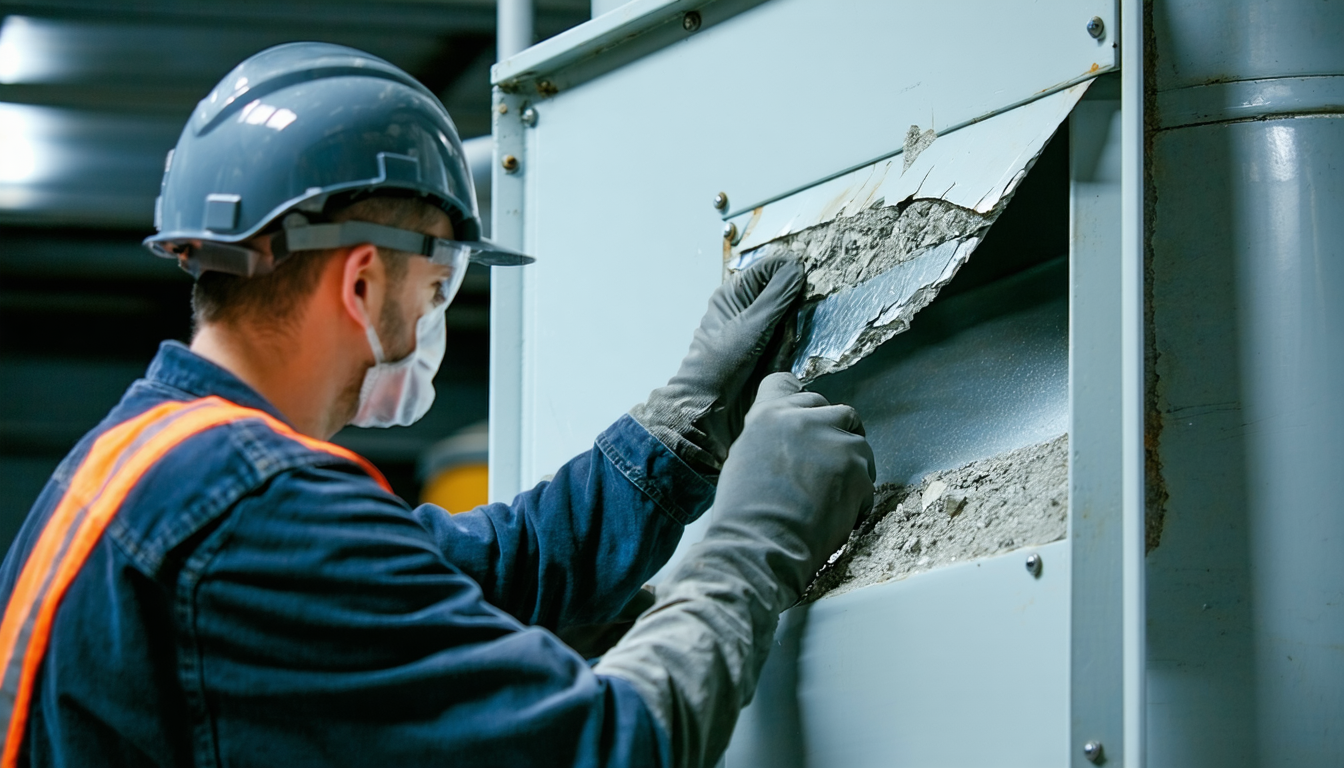
Activated vent panels require immediate replacement before system restart. NFPA 68 mandates replacement within 24 hours of activation since damaged panels cannot provide reliable protection during subsequent events.
Inspect the collector structure for damage immediately after panel activation. Look for permanent deformation, joint separation, or cracks that indicate the pressure exceeded design limits. Document any structural damage before attempting repairs.
Replace vent panels with identical Pstat ratings and mounting specifications. Using panels with different burst pressures changes your protection level and may violate your engineered design. Keep replacement panels in inventory since standard shipping delays can exceed the 24-hour requirement.
Test all connected systems before restart including isolation valves and suppression components. Explosion events can damage downstream equipment even when primary venting functions correctly. Verify that all protection systems remain functional.
Document the incident with pressure readings, activation timing, and damage assessment. Your insurance carrier and regulatory authorities may require detailed incident reports. This documentation also helps identify patterns that indicate inadequate protection or recurring ignition sources.
Review the root cause to prevent recurrence before resuming normal operations. Panel activation indicates your dust explosion protection worked as designed, but the underlying ignition source or process conditions that caused the explosion need correction.
Monthly visual inspections help identify panel degradation before critical events. Look for corrosion around mounting bolts, mechanical damage to panel surfaces, or seal deterioration that could affect activation pressure.
Frequently Asked Questions
Can I use the same vent panel size for different dust types in the same collector?
No, vent sizing must be calculated for the highest Kst value dust that will be processed in that collector. Using a lower Kst value for sizing creates an undersized vent that won’t provide adequate protection for more reactive dusts. If you process multiple dust types, your vent system must protect against the most dangerous material.
Do vent panels work for suppression systems or just venting?
Vent panels are exclusively for venting systems and cannot be used with explosion suppression systems. Suppression systems use different pressure relief mechanisms and detection timing that are incompatible with standard vent panels. The two protection methods require completely different engineering approaches.
How often should I inspect vent panels for damage or wear?
NFPA 68 requires monthly visual inspection of vent panels for corrosion, mechanical damage, or seal degradation. Any visible damage requires immediate replacement since compromised panels may not activate properly during an explosion event. Keep inspection records as part of your combustible dust compliance documentation.