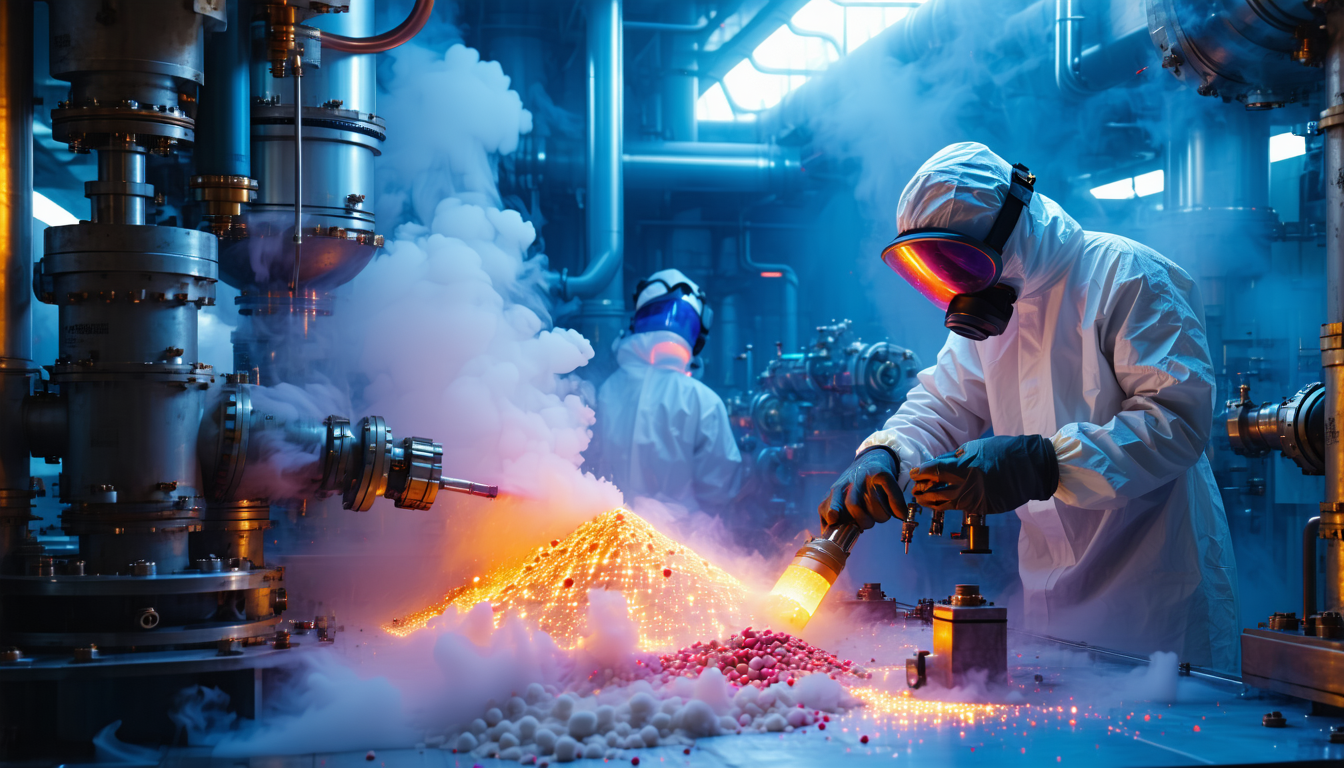
Combustible dust testing labs near me waste $3,000+ because facilities choose based on price instead of accreditation scope. Most environmental labs lack the specific certifications needed for explosibility testing.
Key Takeaways:
- ISO 17025 accreditation for combustible dust testing costs 15-30% more but prevents invalid results that force retesting
- Major U.S. testing labs charge $800-2,400 per sample with 2-4 week turnaround times for full explosibility testing
- ASTM E1226 and EN 14034 test methods produce different Kst values for identical dust samples
What Accreditation Do Combustible Dust Testing Labs Need?
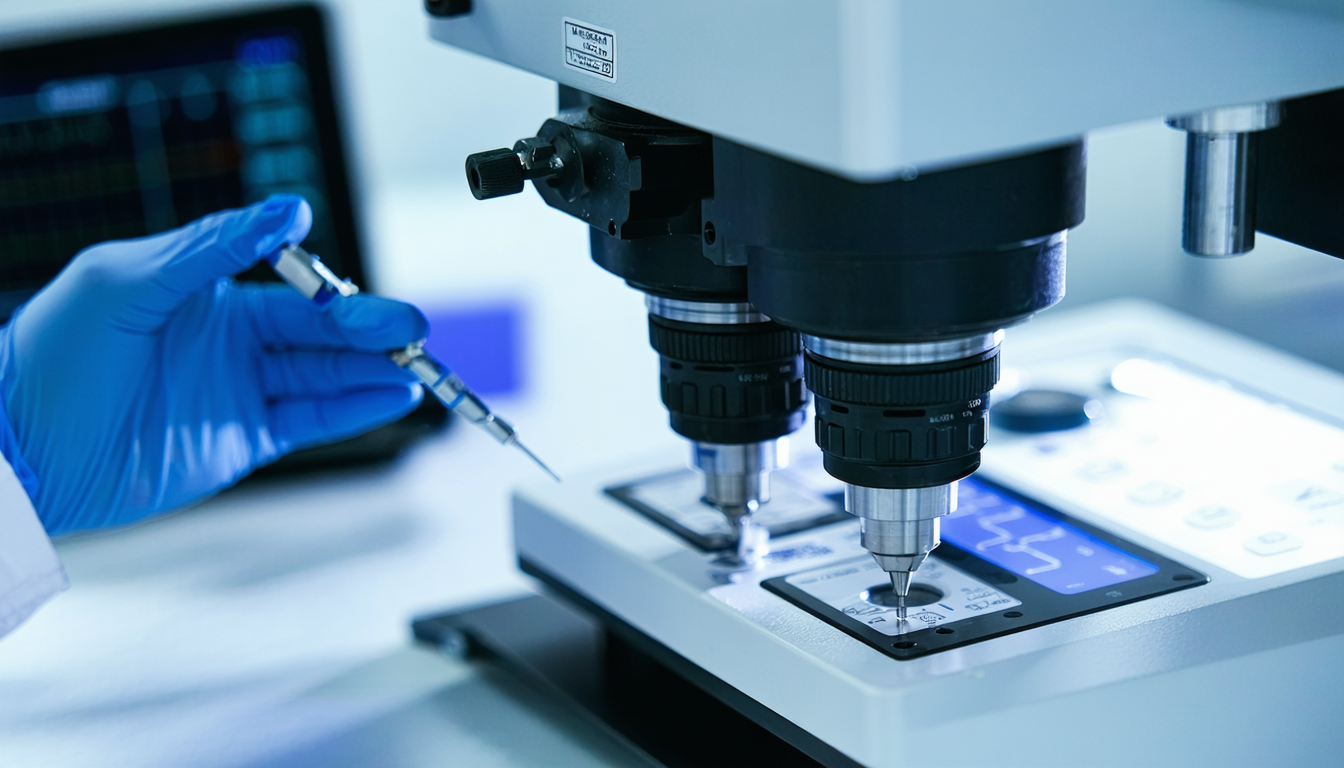
ISO 17025 accreditation is the standard that validates combustible dust testing competency. This means the lab demonstrates technical competence for specific test methods, maintains calibrated equipment, and follows documented procedures for explosibility parameters.
Generic chemical testing accreditation doesn’t cover combustible dust analysis. Environmental labs certified for metals analysis or organic compounds lack the specialized equipment and training for Kst and Pmax measurements. Your combustible dust hazard analysis consultant needs results from labs specifically accredited for explosibility testing.
The accreditation scope matters. A lab might hold ISO 17025 for general chemical analysis but lack specific scope for ASTM E1226 or EN 14034 test methods. Check the scope certificate before sending samples. Insurance auditors and OSHA inspectors commonly reject results from labs without proper scope coverage.
Less than 12 labs in the U.S. hold ISO 17025 accreditation specifically for combustible dust explosibility testing. This limited pool drives higher prices but ensures valid results that satisfy regulatory requirements and DHA documentation needs.
Which Test Methods Should Your Lab Offer: ASTM vs EN Standards?
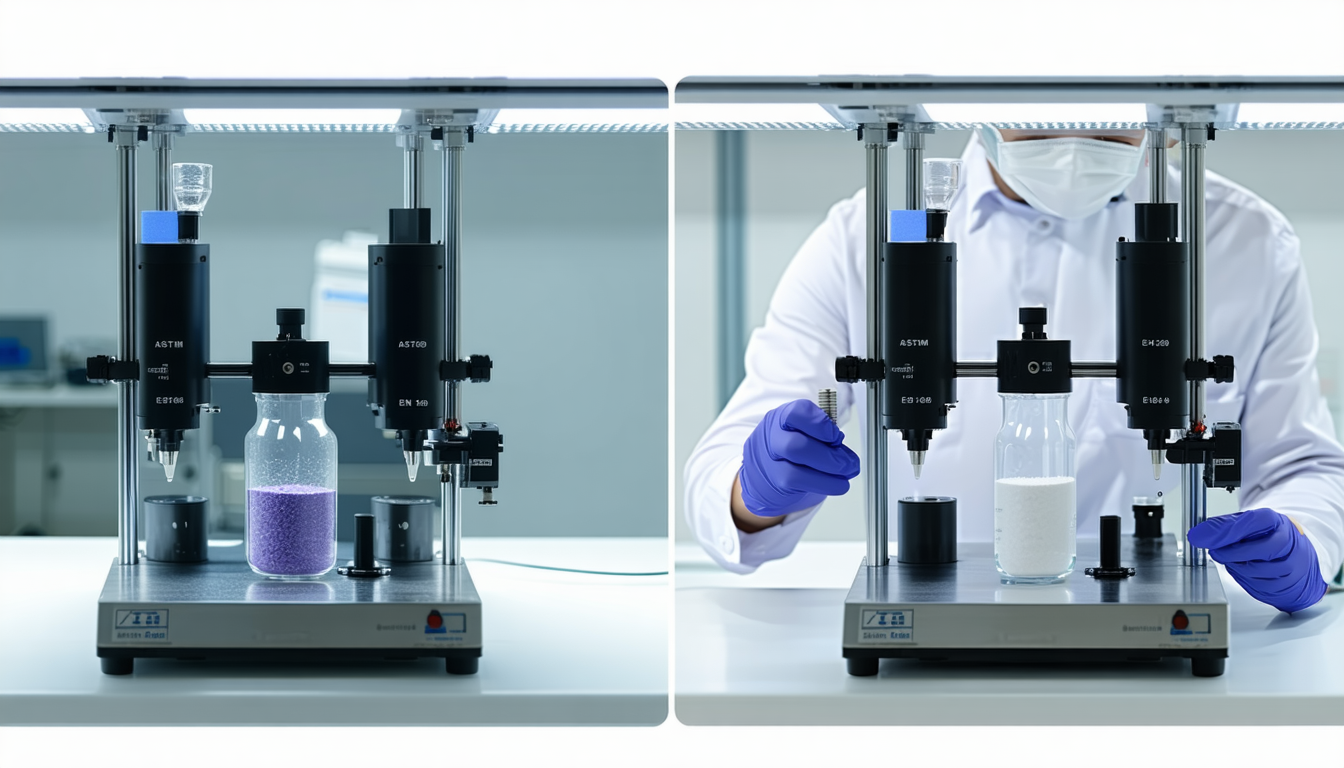
ASTM E1226 produces different results than EN 14034 test methods for identical dust samples. Your lab choice depends on which method your DHA consultant expects and which standard applies to your facility’s compliance framework.
| Feature | ASTM E1226 | EN 14034 |
|---|---|---|
| Primary region | United States | Europe/International |
| Kst measurement | 20L sphere | 20L sphere |
| Pressure measurement | Bar gauge | Bar gauge |
| Ignition energy | 10kJ chemical | 10kJ chemical |
| Typical Kst values | 10-15% higher | Lower baseline |
| DHA acceptance | Standard in U.S. | Limited U.S. use |
ASTM E1226 typically yields 10-15% higher Kst values than EN 14034-2 for the same dust sample due to test chamber differences and ignition protocols. This variance affects your dust classification and explosion protection requirements.
Choose labs offering the method your facility needs. Most U.S. DHA consultants expect ASTM results. International facilities or those with European parent companies may require EN methods. Mixing methods between samples creates inconsistent data that complicates hazard analysis.
Some labs offer both protocols but charge extra for non-standard methods. Verify which method is included in quoted pricing before committing samples.
Major Combustible Dust Testing Labs in the US: Provider Comparison
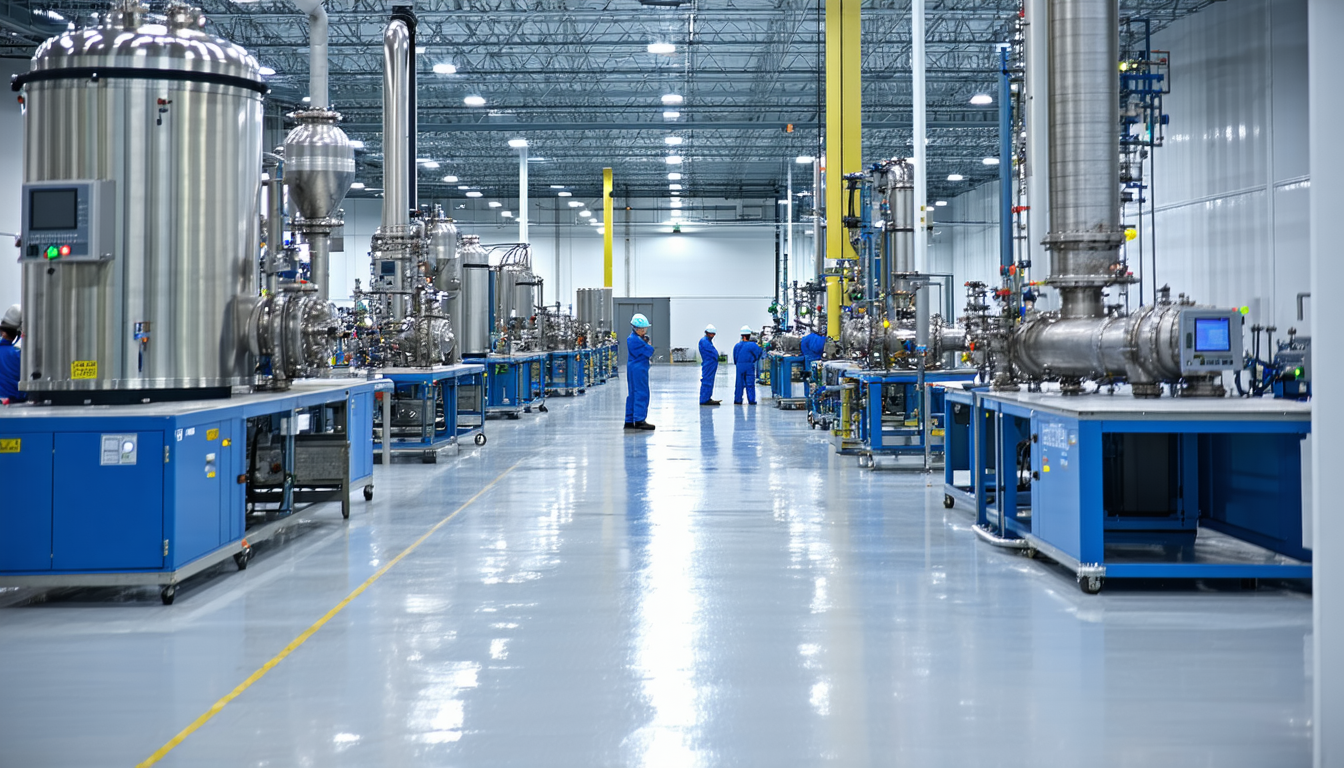
Fauske & Associates offers ISO 17025 accredited combustible dust testing with full ASTM E1226 capability. Four major labs provide both accreditation and complete explosibility testing, but geographic coverage and specialization vary significantly.
| Feature | Fauske & Associates | DEKRA Process Safety | Stonehouse Safety |
|---|---|---|---|
| ISO 17025 status | Full scope | Full scope | Partial scope |
| ASTM E1226 | Yes | Yes | Yes |
| EN 14034 | Yes | Yes | Limited |
| Turnaround time | 14-21 days | 10-14 days | 21-28 days |
| Rush processing | +50% fee | +75% fee | Not available |
| Geographic focus | Midwest/National | National | Southeast |
Only 4 labs offer both ISO 17025 accreditation and full ASTM E1226 explosibility testing capability. Fauske handles the highest volume of industrial samples. DEKRA offers fastest standard turnaround but charges premium rush fees. Stonehouse focuses on southeastern facilities with longer processing times.
EMSL Analytical and Bureau Veritas provide screening tests but lack full explosibility testing capability. These labs work for go/no-go determinations but can’t provide Kst values needed for explosion protection system design.
Choose based on required test scope, not just price. Facilities needing only combustibility screening can use lower-cost providers. Those requiring full explosibility data for explosion venting or suppression systems need accredited labs with complete testing capability.
How Much Does Combustible Dust Lab Testing Cost?
Full explosibility testing costs $1,200-2,400 per sample depending on lab choice, sample complexity, and processing timeline. Pricing varies significantly between test types and accreditation levels.
| Test Type | Price Range | Turnaround Time |
|---|---|---|
| Go/no-go screening | $300-600 | 5-10 days |
| MIE testing only | $800-1,200 | 10-14 days |
| Full explosibility (Kst/Pmax) | $1,200-2,400 | 14-21 days |
| Rush processing | +50-100% | 5-7 days |
| Bulk sample discount | -10-15% | Standard time |
ISO 17025 accredited labs charge 15-30% more than non-accredited providers. This premium prevents invalid results that force complete retesting. Facilities choosing budget labs often pay twice when insurance auditors reject non-accredited results.
Rush processing doubles costs but reduces turnaround to 5-7 days. Most labs offer bulk discounts for 5+ samples from the same facility. Sample preparation and shipping adds $100-200 to total project costs.
Complex dust mixtures or unusual materials increase testing costs. Labs charge extra for method development or non-standard sample preparation. Budget $2,000-3,000 total for complete facility testing including multiple dust types.
What Turnaround Times Should You Expect for Dust Testing?
Standard turnaround time ranges 2-4 weeks for explosibility testing depending on lab capacity and seasonal demand. Processing delays peak during DHA audit season when insurance companies require updated testing.
Standard processing averages 14-21 business days for ASTM E1226 testing at accredited labs. Sample preparation, equipment scheduling, and report review each consume 3-5 days of the total timeline.
October through December delays extend to 4-6 weeks as facilities rush to complete DHA updates before year-end insurance audits. Book testing by September to avoid seasonal bottlenecks.
Rush processing reduces turnaround to 5-7 days but costs 50-100% more than standard pricing. Labs prioritize rush samples over regular queue, creating longer delays for standard customers.
Sample preparation time requires 2-3 additional days before lab processing begins. Improper sample collection, insufficient quantity, or missing chain of custody documentation restarts the timeline.
International shipping adds 5-10 days for facilities outside the continental U.S. Use domestic labs when possible to avoid customs delays and sample degradation during extended transport.
Plan testing at least 6 weeks before DHA completion deadlines. Labs can’t guarantee rush processing availability during peak season. Delayed results force DHA consultants to use conservative assumptions that increase protection system costs.
Frequently Asked Questions
Can I use a local environmental lab for combustible dust testing?
Most environmental labs lack ISO 17025 accreditation for explosibility testing and don’t offer ASTM E1226 or EN 14034 protocols. Generic chemical analysis accreditation doesn’t cover combustible dust parameters like Kst and Pmax. Insurance auditors commonly reject results from non-specialized labs.
Do I need to test every dust in my facility at the same lab?
No, but using different labs can create result inconsistencies since test methods and equipment calibration vary. Your DHA consultant may require all testing from a single ISO 17025 accredited source for consistency. Mixed results from multiple labs complicate hazard analysis and protection system design.
What happens if my dust test results are invalid or questioned?
Invalid results typically require complete retesting at an accredited lab, doubling your costs. Insurance auditors and OSHA inspectors commonly reject results from non-accredited labs or labs using incorrect test methods. Choose accredited providers initially to avoid retesting expenses and compliance delays.