DustRisk Blog

Combustible dust compliance guidance, NFPA standard updates, and incident analysis.

OSHA NEP Inspection: How to Prepare for a Combustible Dust Audit

Factory inspection scene with inspectors checking machinery for safety.

OSHA combustible dust inspection under the National Emphasis Program has issued over 2,400 citations since 2007, with the average facility receiving 4.7 violations per inspection. Most could have been prevented with proper preparation. The numbers tell the story. NEP inspections target facilities handling dust explosion hazards, and unprepared companies pay the price. Your facility could … Read more

Combustible Dust Insurance: What Your Insurer Expects for Compliance

Auditor reviewing dust compliance documents with dramatic lighting.

Combustible dust insurance requirements drive every audit decision your insurer makes. Your insurance company knows about NFPA 660 even if you don’t, and they’re using it to audit your facility whether you realize it or not. Key Takeaways: FM Global’s Property Loss Prevention Data Sheet 7-76 directly references NFPA 660 requirements as their combustible dust … Read more

Primary vs Secondary Dust Explosions: Why the Second Blast Kills

Industrial secondary dust explosion with flames and illuminated particles.

Primary and secondary dust explosion sequences killed 14 workers at Imperial Sugar. The small spark wasn’t the explosion that made headlines, it was the secondary blast that followed when accumulated dust became airborne across the facility. Key Takeaways: Secondary explosions are typically 10-100 times more powerful than the primary blast that triggers them Over 75% … Read more

How Much Does a Dust Explosion Cost? The Full Financial Impact

Facility engulfed in a dramatic dust explosion with smoke and debris.

Dust explosion cost analysis shows the average incident hits companies for $800,000, but that’s just the tip of the iceberg once OSHA penalties, legal settlements, and insurance repricing kick in. The Imperial Sugar dust explosion exceeded $90 million in total costs. Key Takeaways: Equipment replacement and facility repair costs average $300,000-500,000 for typical dust collector … Read more

Imperial Sugar Dust Explosion: What Happened and What It Changed

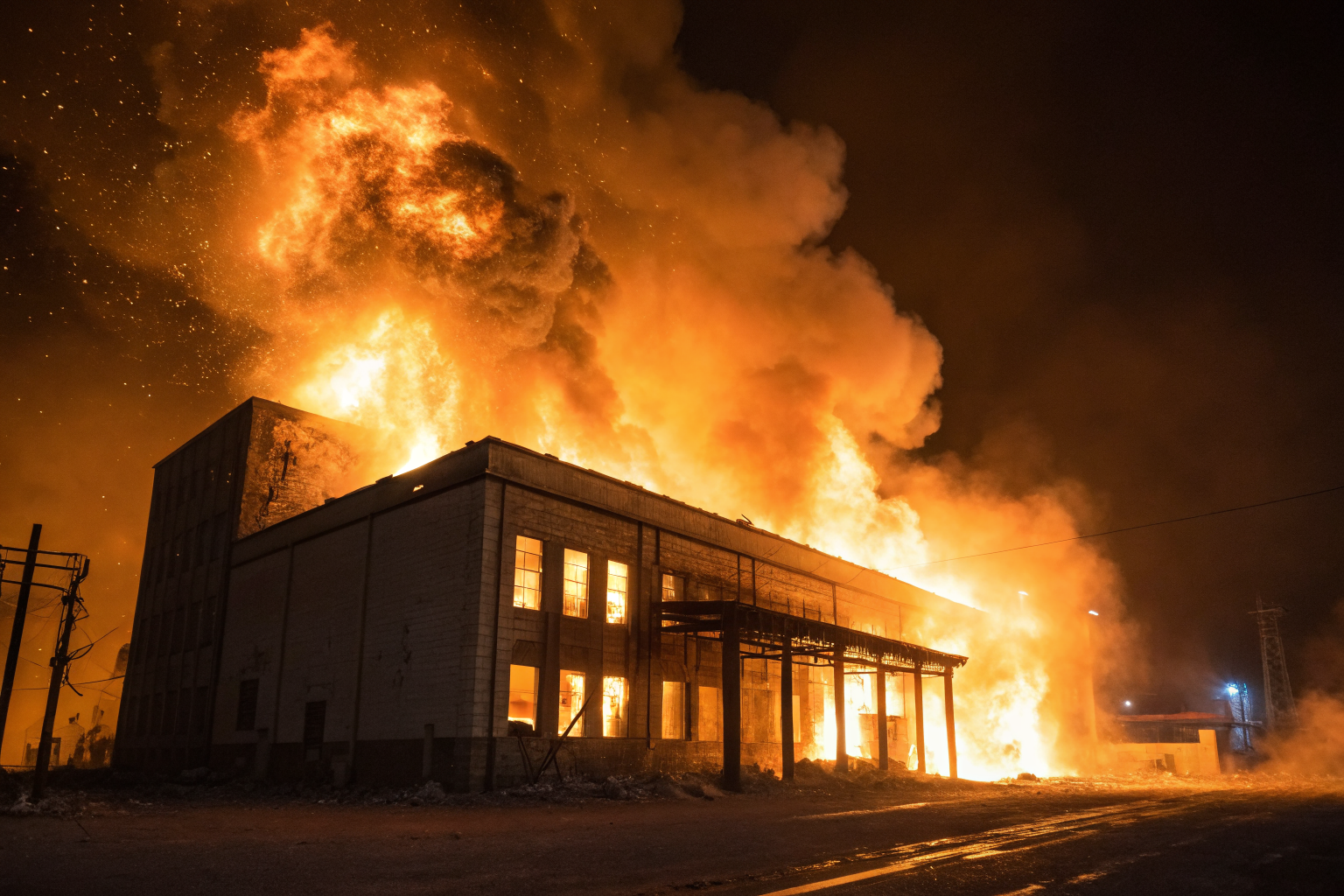
Sugar packaging building engulfed in fiery explosion at night.

The Imperial Sugar dust explosion on February 7, 2008 killed 14 workers and triggered the most comprehensive expansion of combustible dust enforcement in U.S. industrial history. This single incident reshaped how OSHA enforces dust explosion safety across American manufacturing. Key Takeaways: The primary explosion killed 7 workers instantly, but secondary explosions from accumulated dust throughout … Read more

Dust Explosion Incidents: Lessons Learned and the Cost of Non-Compliance

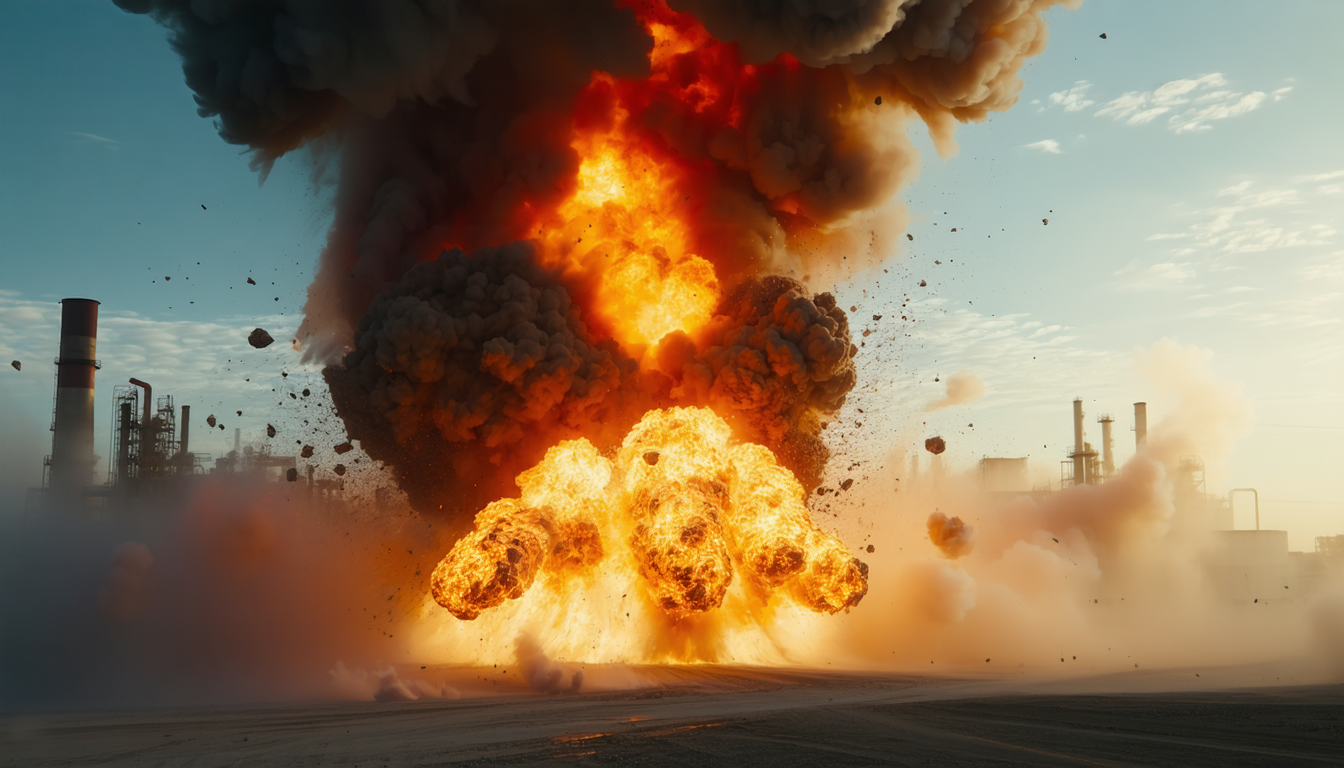
Industrial facility engulfed in dust explosion, flames and debris visible.

Dust explosion incidents cost companies an average of $800,000 in direct damages. That number excludes insurance cancellations, regulatory fines, and wrongful death lawsuits that follow. The real financial impact compounds over years as carriers restrict coverage and OSHA maintains enforcement focus on facilities with combustible dust hazards. Key Takeaways: Over 60% of dust explosions involve … Read more

Pharmaceutical and Chemical Dust: Managing Combustibility in Regulated Environments

Pharmaceutical lab with dramatic lighting and fog, showing dust particles.

Pharmaceutical dust combustibility creates explosion hazards that kill workers at rates three times higher than wood dust incidents. The reason: nobody expects lactose and acetaminophen to explode with the force of industrial chemicals. Key Takeaways: Pharmaceutical dust MIE values average 5-15 millijoules, 10x lower than wood dust, making static electricity lethal NFPA 660 Chapter 25 … Read more

Coal Dust Explosion: Hazards, History, and Prevention

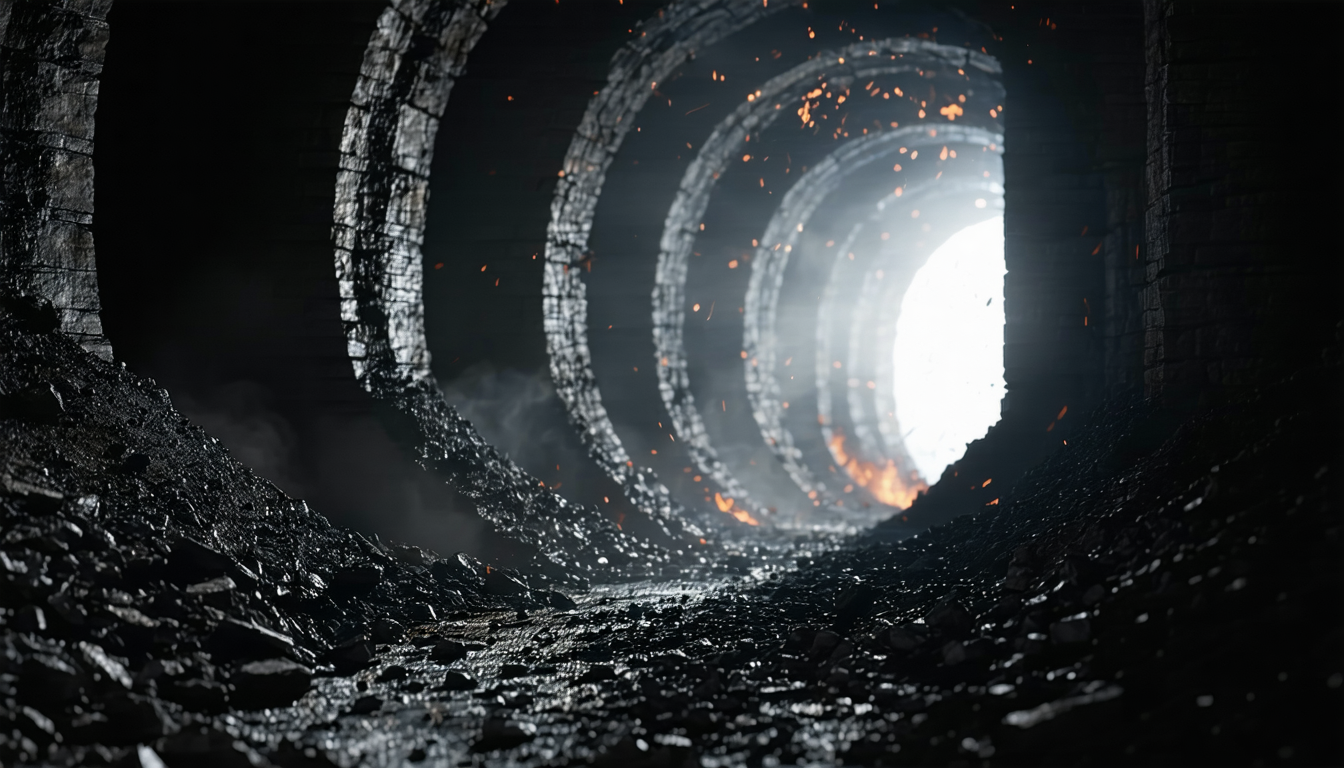
Coal mine tunnel with dramatic lighting and suspended coal dust particles.

Coal dust explosion physics destroyed the West Frankfort mine in 1951, killing 166 miners. The same deflagration characteristics that devastated that Illinois facility can destroy your coal handling operation if you don’t understand coal’s specific explosion profile and prevention requirements. Key Takeaways: Coal dust has a Kst value of 89-156 bar·m/s, placing it in the … Read more

Metal Dust Collection: Special Requirements for Metalworking Facilities

Metalworking facility with dust collectors and explosion protection, dramatic lighting.

Metal dust explosion incidents double when facilities use wood dust equipment on metalworking operations. Most combustible dust hazards stem from applying organic dust standards to metals that burn hotter and faster. Key Takeaways: Aluminum dust produces Kst values 3-5 times higher than wood dust, requiring specialized explosion protection systems that most organic dust collectors lack … Read more

Grain and Food Dust Explosions: NFPA 660 Chapter 21 Compliance

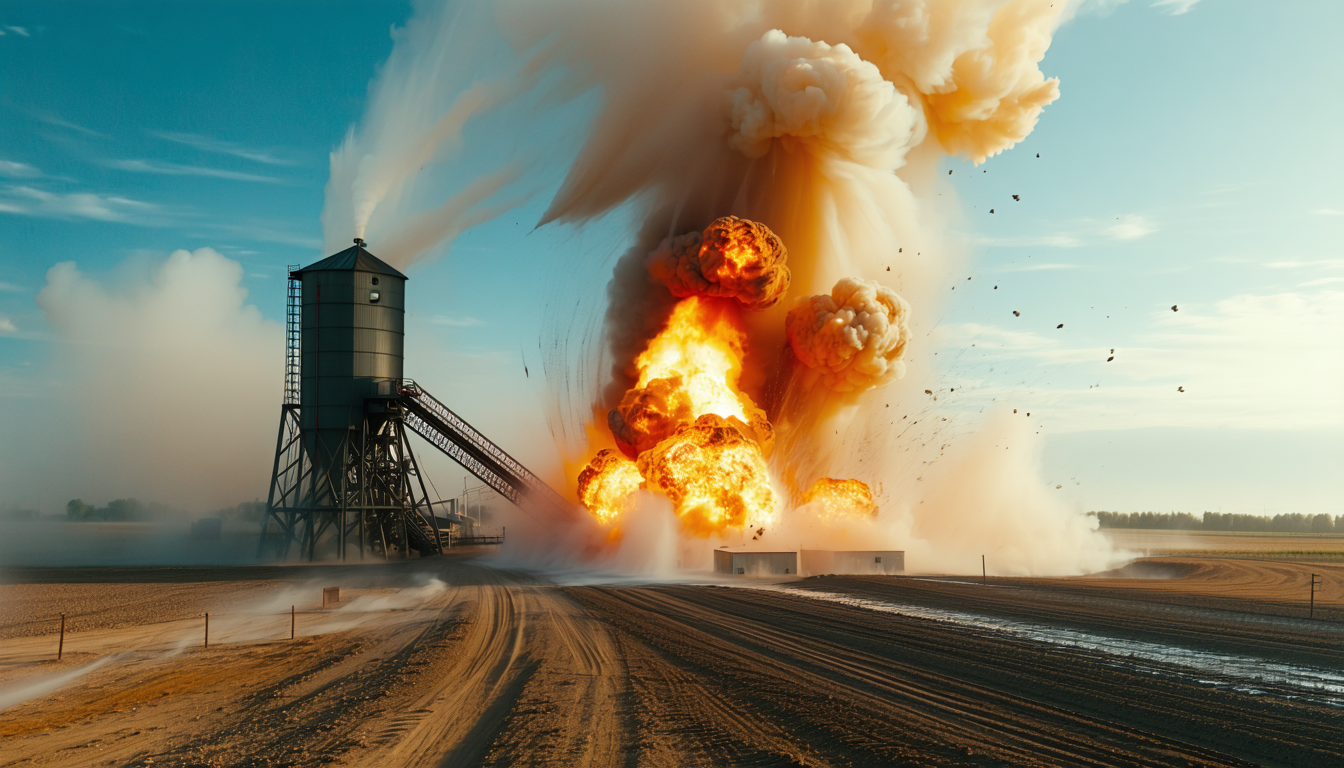
Grain elevator explosion with dust ignition, dramatic lighting, fog effects.

Grain elevator dust explosion incidents like the December 22, 1977 Continental Grain blast that killed 18 workers in Westwego, Louisiana remain the deadliest industrial accidents in U.S. food processing, and the same combustible dust hazards that caused it still kill workers today. Key Takeaways: Chapter 21 replaced NFPA 61 in December 2024 but added stricter … Read more