
Primary and secondary dust explosion sequences killed 14 workers at Imperial Sugar. The small spark wasn’t the explosion that made headlines, it was the secondary blast that followed when accumulated dust became airborne across the facility.
Key Takeaways:
- Secondary explosions are typically 10-100 times more powerful than the primary blast that triggers them
- Over 75% of combustible dust fatalities occur during secondary explosions, not the initial deflagration
- Dust accumulation as thin as 1/32-inch across just 5% of a facility’s floor area can fuel a building-wide secondary explosion
What Is a Secondary Dust Explosion?

A secondary dust explosion is a deflagration that occurs when the pressure wave from a primary explosion disturbs accumulated dust and creates a new, larger combustible dust cloud. This means the initial blast becomes the ignition source for a much more catastrophic event involving vastly more fuel.
The mechanism works through a chain reaction. A small primary explosion, often confined to equipment like a dust collector or mixer, sends pressure waves throughout the connected facility. These waves disturb dust that has accumulated on surfaces, overhead beams, equipment, and in hidden areas. The disturbed dust becomes airborne, forming combustible clouds that can span entire buildings.
Secondary explosions differ from primary explosions in scale and propagation speed. While a primary explosion might involve a few pounds of airborne dust in a localized area, secondary explosions can involve hundreds or thousands of pounds of dust distributed across multiple rooms. Secondary explosions can propagate at speeds up to 2,000 feet per second through interconnected spaces, turning what started as a contained incident into a facility-wide catastrophe.
The Imperial Sugar case demonstrates this progression. The initial explosion occurred in a sugar silo, but the secondary explosions that followed involved dust accumulation throughout the packaging building, creating the massive destruction and fatalities that made the incident notorious in the dust explosion literature.
How Does a Primary Explosion Trigger a Secondary Blast?
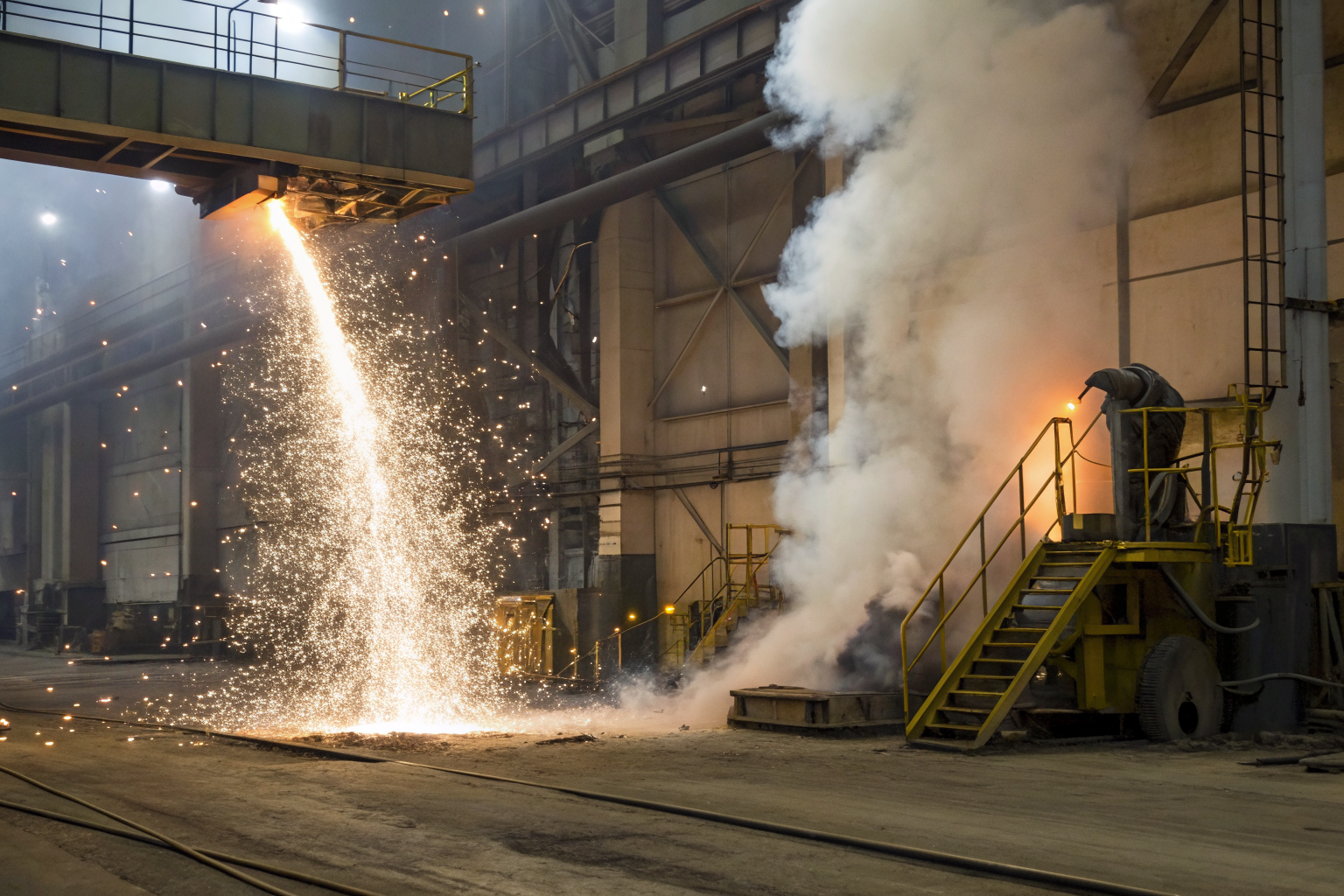
The progression from primary to secondary explosion follows a predictable sequence that incident investigation teams document repeatedly:
Initial ignition occurs in equipment or process area. A spark, hot surface, or static discharge ignites a small amount of airborne dust in a dust collector, conveyor, or processing equipment.
Primary explosion creates expanding pressure wave. The deflagration generates pressure that travels outward from the ignition point at speeds of 300-1,000 feet per second through connected ductwork, building openings, and structural gaps.
Pressure wave disturbs accumulated dust throughout facility. The expanding gases shake surfaces, equipment, and overhead structures, causing accumulated dust layers to become airborne and form new combustible clouds.
Hot gases and flames from primary explosion ignite secondary dust clouds. The original explosion provides the ignition energy needed to trigger deflagration in the newly formed dust clouds, often simultaneously in multiple building areas.
Secondary explosions propagate through interconnected spaces. Each new deflagration creates additional pressure waves that can disturb more accumulated dust, creating a cascading effect throughout the facility.
Pressure waves from primary explosions can disturb dust accumulations up to 300 feet away from the initial blast site. This explains why facilities with good housekeeping practices around process equipment can still experience devastating secondary explosions if dust has accumulated in remote areas like mezzanines, ductwork, or storage rooms.
The time delay between primary and secondary explosions depends on building layout and dust distribution patterns. In most documented cases, secondary explosions occur within 1-3 seconds of the primary blast, creating what witnesses describe as a rolling series of explosions moving through the facility.
Why Are Secondary Dust Explosions More Dangerous Than Primary Explosions?
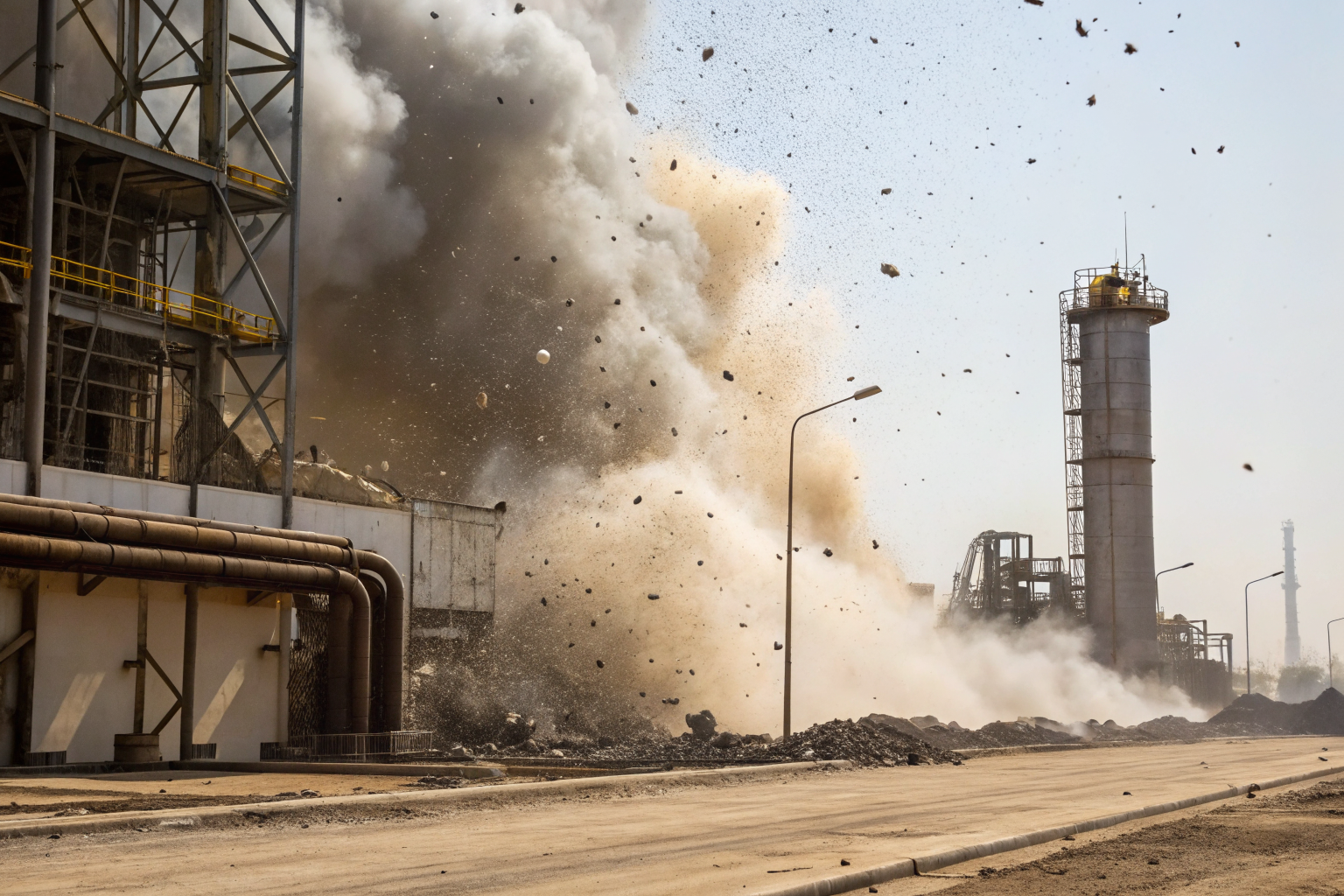
Secondary explosions consistently produce higher casualty rates and property damage because they involve fundamentally different scales of fuel and affected area. The comparison reveals why secondary explosions drive most combustible dust fatalities:
| Characteristic | Primary Explosion | Secondary Explosion |
|---|---|---|
| Fuel quantity involved | 1-10 pounds airborne dust | 50-5,000 pounds accumulated dust |
| Affected building area | Single room or equipment | Multiple rooms or entire facility |
| Peak explosion pressure | 15-50 psi | 50-200+ psi |
| Propagation distance | Localized to ignition point | 100-500+ feet from origin |
| Fatality rate per incident | 10-20% of those present | 60-80% of those present |
| Property damage scale | Equipment repair/replacement | Building reconstruction required |
The fuel quantity difference drives the severity gap. Primary explosions typically involve only the dust that was already airborne during normal operations, usually a few pounds in a dust collector or process equipment. Secondary explosions involve all the dust that has accumulated on surfaces throughout the facility, which can represent months or years of deposition.
The average secondary explosion involves 50-500 times more combustible dust than the triggering primary event. This massive fuel increase creates correspondingly higher explosion pressures that can collapse building structures, trap workers, and prevent evacuation.
Secondary explosions also affect larger areas simultaneously, making escape difficult. While workers might evacuate from a localized primary explosion, secondary explosions can simultaneously affect multiple exit routes and building areas, leaving workers with no safe refuge.
Incident investigation reports consistently show that facilities experiencing only primary explosions see property damage and minor injuries, while those experiencing secondary explosions see fatalities and total building loss. The CSB Imperial Sugar investigation found that all 14 fatalities occurred in areas affected by secondary explosions, not the original silo incident.
What Role Does Dust Accumulation Play in Secondary Explosions?

Dust accumulation provides the fuel reservoir that transforms containable primary explosions into facility-wide catastrophes. Even facilities that appear clean to casual inspection can harbor enough accumulated dust to support devastating secondary explosions.
The critical factor is total surface area covered, not just accumulation depth. A thin layer of dust distributed across multiple surfaces provides more total fuel than thick accumulation in one location. According to CSB investigations, facilities with dust accumulation on just 5% of floor area have experienced building-wide secondary explosions.
Dust accumulates in predictable patterns that create secondary explosion fuel sources. Overhead surfaces like beams, ductwork, and equipment tops collect dust that falls from process activities. These elevated accumulations become especially dangerous because they create airborne clouds when disturbed, and gravity helps disperse the dust throughout the building volume.
Hidden accumulation areas pose particular risks. Dust collects inside equipment housings, on top of suspended ceilings, in ventilation systems, and on surfaces above normal cleaning reach. These areas often escape routine housekeeping but can contribute significant fuel quantities when disturbed by explosion pressure waves.
The 1/32-inch accumulation threshold used in NFPA standards reflects real-world secondary explosion fuel requirements. Testing shows this depth provides sufficient dust to create combustible clouds when disturbed, especially when distributed across multiple surfaces. A facility with 1/32-inch accumulation on 10,000 square feet of surface area contains approximately 200-400 pounds of potential secondary explosion fuel.
Surface texture affects accumulation patterns and secondary explosion potential. Rough surfaces like concrete, exposed structural steel, and textured equipment retain more dust than smooth surfaces. This explains why older facilities with exposed structural elements often experience more severe secondary explosions than newer buildings with smooth, enclosed construction.
How Does Housekeeping Prevent Secondary Dust Explosions?

Housekeeping programs eliminate secondary explosion fuel sources by removing accumulated dust before it can be disturbed by primary explosion pressure waves. Effective programs target the accumulation patterns that create secondary explosion risks:
Remove dust from elevated surfaces weekly using vacuum systems designed for combustible dust. Overhead beams, equipment tops, ductwork, and suspended utilities collect the most fuel for secondary explosions because gravity helps disperse disturbed dust.
Clean hidden accumulation areas monthly including equipment interiors, above suspended ceilings, and inside ventilation systems. These areas escape daily cleaning but contribute significant fuel when disturbed by explosion pressure waves.
Measure accumulation depth using the coin test or depth gauges rather than visual inspection alone. Dust layers that appear thin can exceed the 1/32-inch threshold, especially on textured surfaces that hide accumulation depth.
Prioritize cleaning in interconnected areas where explosion pressure waves can propagate. Rooms connected by ductwork, openings, or shared ventilation systems allow secondary explosions to cascade between spaces.
Document cleaning activities and accumulation measurements to demonstrate compliance during insurance audits and OSHA NEP inspections. Incident investigators always examine housekeeping records when secondary explosions occur.
NFPA 660 requires dust removal when accumulation reaches 1/32-inch depth or covers more than 5% of floor area in any room. This standard recognizes that even small amounts of accumulated dust can fuel secondary explosions when distributed across sufficient surface area.
The frequency requirements vary by dust generation rates and building characteristics. High-generation processes require daily cleaning in immediate work areas and weekly cleaning of secondary accumulation zones. Lower-generation facilities can often maintain compliance with weekly primary cleaning and monthly secondary area maintenance.
Vacuum systems used for combustible dust cleaning must meet specific safety requirements to prevent becoming ignition sources themselves. Standard shop vacuums can create static electricity or hot spots that trigger explosions during cleaning activities.
What Engineering Controls Stop Secondary Explosion Propagation?
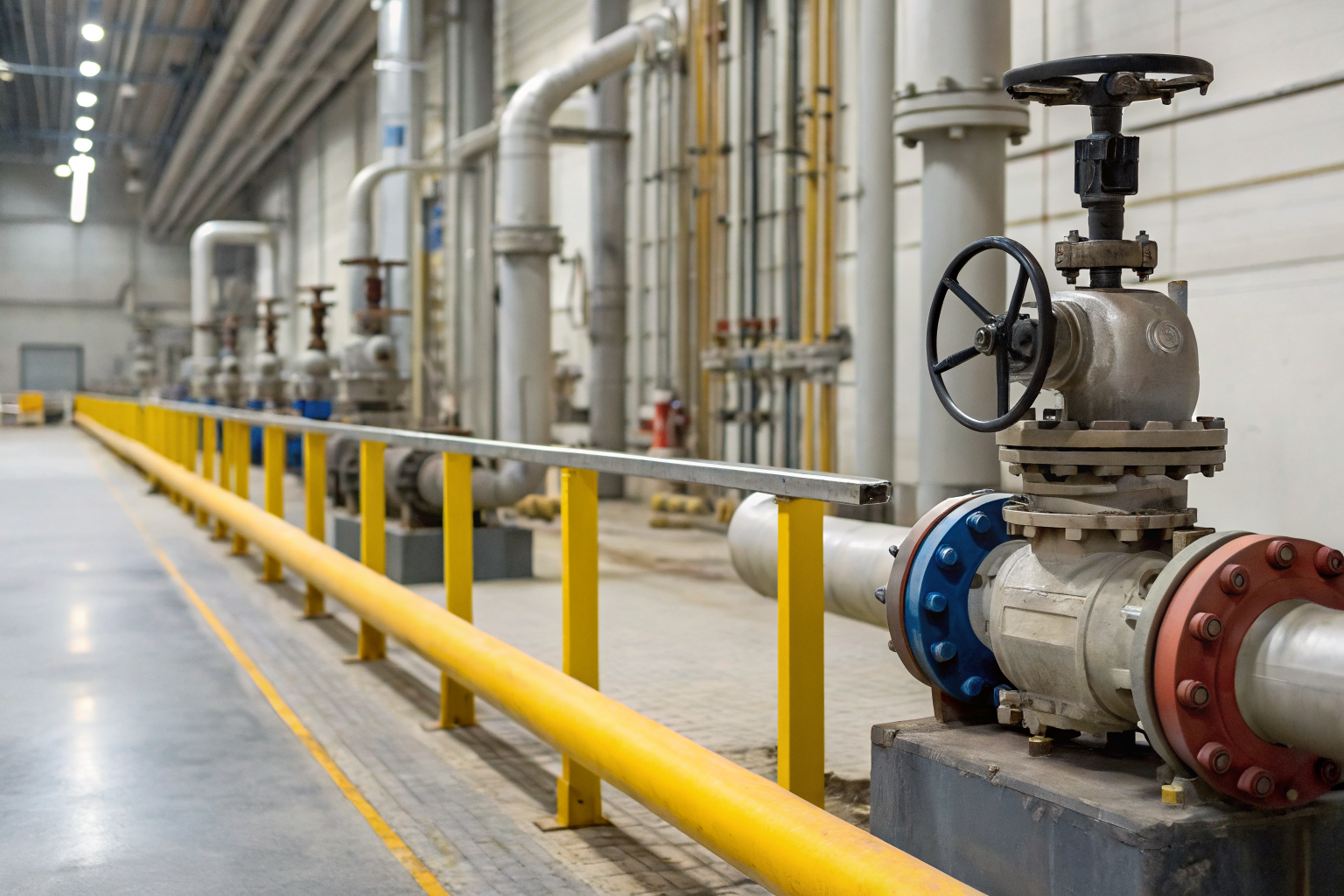
Engineering controls physically prevent secondary explosions from propagating through facilities by isolating explosion pressure waves and limiting their ability to disturb accumulated dust. These systems work independently of housekeeping programs to contain explosions.
Explosion isolation valves provide the most effective protection against secondary explosion propagation through ductwork and conveying systems. These fast-acting valves detect explosion pressure waves and close within 50-150 milliseconds to prevent secondary explosion propagation through ductwork. The valves physically block the path that pressure waves would otherwise travel to disturb dust in connected equipment and building areas.
Compartmentalization strategies limit secondary explosion propagation by dividing facilities into isolated zones with explosion-resistant barriers. Walls, doors, and dampers designed to withstand explosion pressures prevent pressure waves from traveling between building sections. This containment approach works by limiting the area where accumulated dust can be disturbed by any single primary explosion.
Explosion venting systems reduce the pressure waves that drive secondary explosions by providing controlled release paths for expanding gases. Properly sized vents limit peak explosion pressures to levels that won’t disturb accumulated dust in adjacent areas. However, venting alone cannot prevent secondary explosions if sufficient accumulated dust exists in the same building zone as the primary explosion.
Process equipment isolation through physical separation and dedicated ventilation systems prevents explosions in one piece of equipment from affecting others. Independent dust collection systems for each process prevent explosion propagation through shared ductwork while maintaining the dust capture needed for housekeeping compliance.
Building design features like smooth interior surfaces, enclosed structural elements, and positive ventilation systems reduce dust accumulation patterns that fuel secondary explosions. These features work by eliminating the surface areas where dust would otherwise collect and become available for secondary explosion fuel.
Frequently Asked Questions
Can you have a secondary dust explosion without accumulated dust on surfaces?
No, secondary explosions require pre-existing dust accumulation that gets disturbed by the primary blast’s pressure wave. Without accumulated dust on surfaces, equipment, or overhead structures, there’s no fuel source for a secondary explosion to occur. The pressure wave from a primary explosion will still propagate through the building, but it cannot create combustible dust clouds without accumulated dust to disturb.
How long after a primary explosion does the secondary blast occur?
Secondary explosions typically occur within 1-3 seconds after the primary blast. The delay depends on how long it takes the pressure wave to travel through the facility and disturb accumulated dust into a combustible cloud. Larger facilities may experience longer delays as pressure waves travel greater distances, but most secondary explosions happen almost immediately after the primary event.
Do all primary dust explosions cause secondary explosions?
No, secondary explosions only occur when sufficient accumulated dust exists to be disturbed by the primary blast. Well-maintained facilities with effective housekeeping programs can experience primary explosions without secondary propagation. The key factors are the amount and distribution of accumulated dust throughout the facility, not just the occurrence of a primary explosion.
This article provides general information about dust explosion mechanisms. Consult a qualified process safety engineer for explosion protection advice specific to your facility and operations.