
Dust collector spark arrestor systems intercept ignition sources before they reach your dust collector, preventing the explosion that kills workers and destroys facilities. When your facility generates sparks from grinding, cutting, or mechanical processing, these systems become the difference between normal operations and catastrophic failure.
Key Takeaways:
- Infrared spark detection sensors respond within 5 milliseconds, faster than flame propagation in most combustible dust environments
- Water suppression systems activate in under 100 milliseconds but require dedicated water supply and drainage infrastructure
- Air diversion systems cost 40-60% less than water suppression but cannot handle continuous spark streams from grinding operations
Do I Need a Spark Detection System on My Dust Collector?

Spark detection systems are active monitoring devices that identify thermal signatures above ambient temperature and trigger protective responses before ignition reaches combustible dust accumulations. This means you get prevention instead of damage control when hot particles travel through your ductwork.
NFPA 660 Section 7.1.4 requires ignition source control measures wherever dust collection systems serve equipment that generates sparks. Grinding operations, abrasive cutting, welding areas, and metalworking processes all create particles hot enough to ignite dust clouds. The standard doesn’t specify detection systems by name, but it mandates protection against transported ignition sources.
Mechanical spark arrestors fail when particles smaller than their screen mesh pass through. Most arrestor screens use 150-micron openings, but grinding sparks often measure 50-100 microns. You need active detection when your process creates fine hot particles that mechanical barriers cannot stop.
Facilities processing 10,000+ pounds of combustible dust per day typically justify detection system costs through insurance premium reductions and business interruption protection. Smaller operations may find mechanical arrestors sufficient unless they handle highly combustible materials like magnesium or aluminum powder.
The cost-benefit analysis shifts when you factor in explosion isolation valve integration. Detection systems can trigger isolation valves to prevent deflagration propagation, protecting multiple collectors and storage vessels from a single ignition event.
How Does Spark Detection Work in Dust Collection Systems?
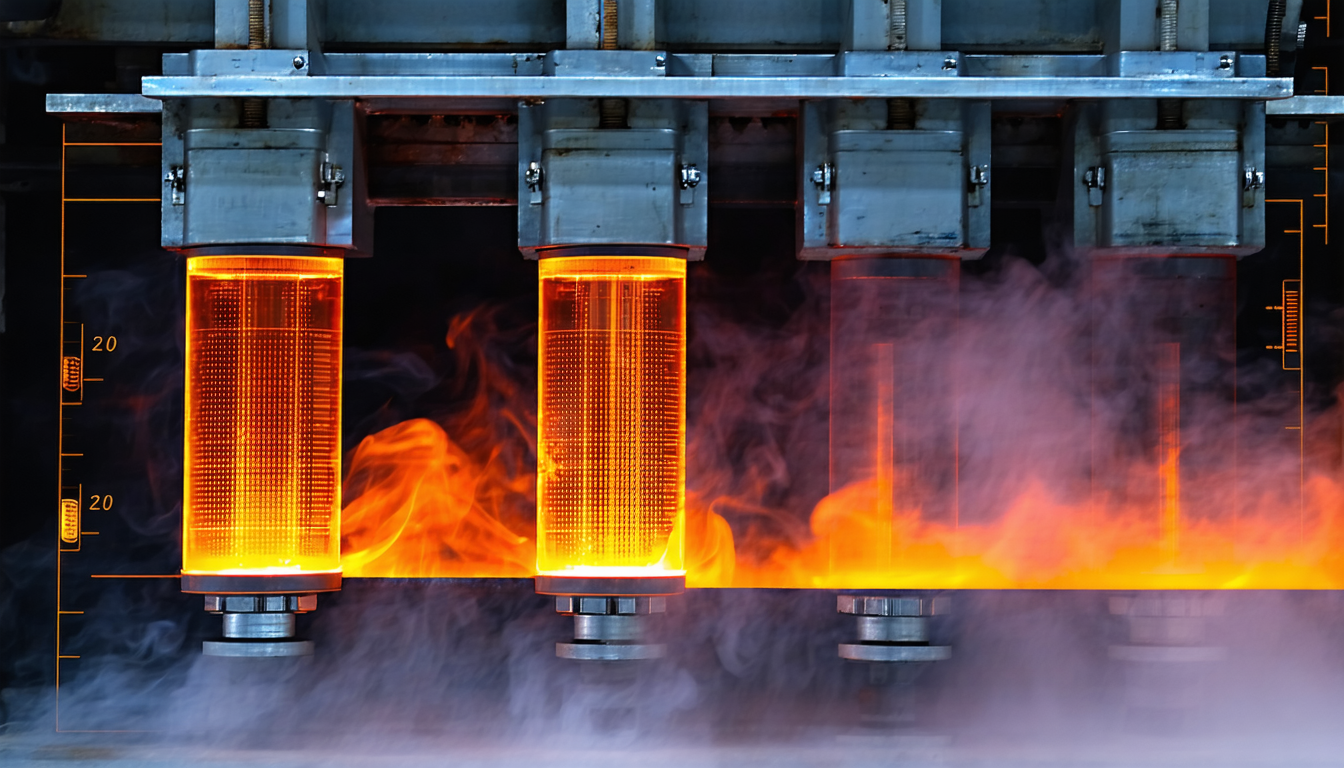
Infrared sensors detect thermal signatures above ambient temperature and trigger suppression systems before sparks reach combustible dust accumulations. The process happens faster than human reaction time, with detection response averaging 5-10 milliseconds for infrared systems.
Here’s the step-by-step detection sequence:
Infrared sensors monitor ductwork temperature continuously. Sensors scan for thermal signatures 50-200°F above ambient air temperature, filtering out normal temperature variations from process air.
Control systems verify spark detection through multiple sensor confirmation. Two or more sensors must detect the same thermal event within milliseconds to prevent false alarms from reflected light or hot air pockets.
Suppression systems activate within 100 milliseconds of confirmed detection. Water spray nozzles, air diversion dampers, or isolation valves respond automatically without human intervention.
System lockout prevents dust collector operation until manual reset. The collector stops automatically and requires operator confirmation that the ignition source is eliminated before restarting.
Sensor placement requires straight ductwork runs for accurate thermal signature recognition. Turbulent airflow from bends or obstructions creates false thermal readings that trigger nuisance alarms. Most sensors need 3 feet of straight ductwork upstream and downstream for reliable operation.
Integration with dust collector controls allows coordinated shutdown sequences. When sensors detect sparks, the collector fan stops immediately to prevent drawing combustible dust toward the ignition source. This coordination prevents the system from creating the deflagration conditions it was designed to prevent.
Spark Detection vs Spark Arrestor: Which Protection Method Works?
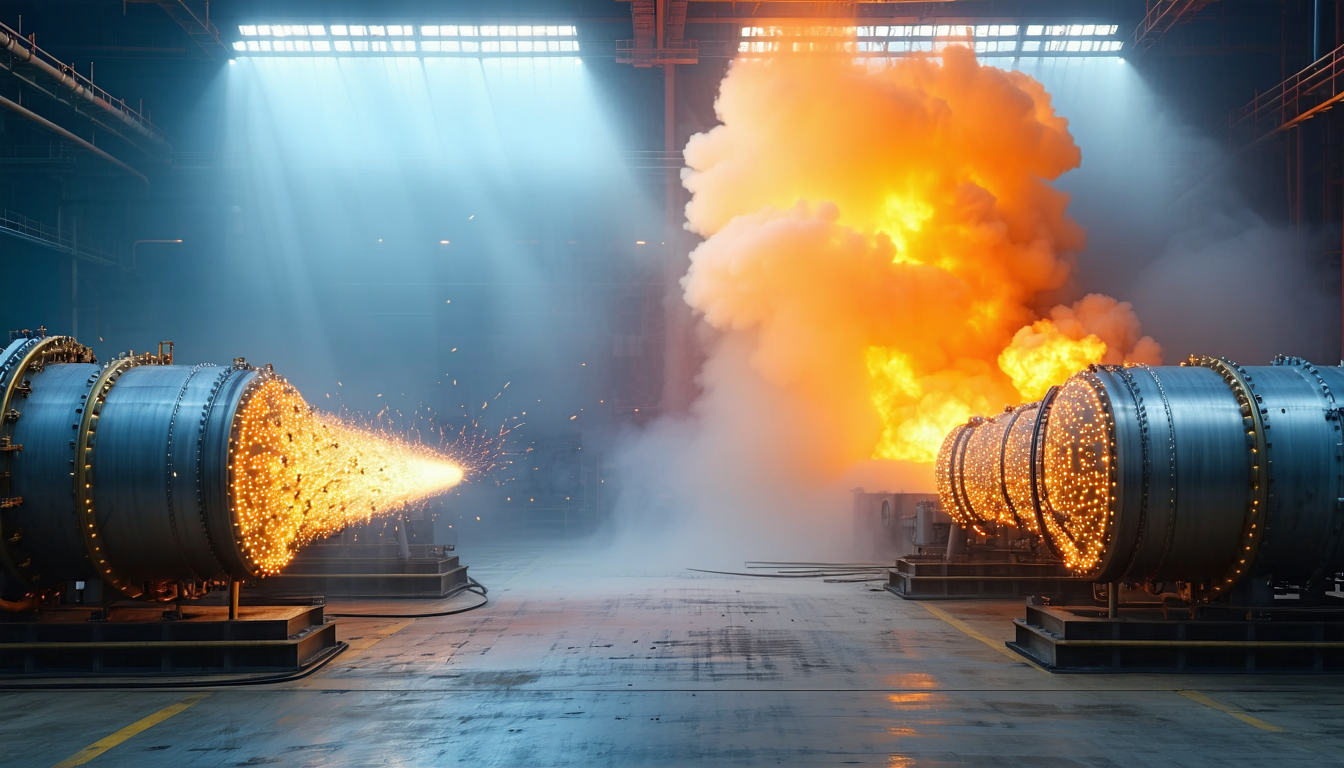
Spark arrestors block particles based on size screening through mechanical barriers, while detection systems identify thermal signatures and trigger active responses. Both approaches prevent dust explosions, but they protect against different ignition mechanisms.
| Feature | Spark Detection | Mechanical Arrestors |
|---|---|---|
| Detection Method | Infrared thermal monitoring | Physical size screening |
| Response Time | 5-10 milliseconds | Instantaneous blocking |
| Particle Size Limit | Any temperature above ambient | 150+ microns typical |
| Installation Cost | $15,000-$35,000 per system | $2,000-$8,000 per unit |
| Maintenance | Sensor cleaning, calibration | Screen replacement, cleaning |
| False Positives | 1-3 per month when calibrated | None (passive operation) |
| Continuous Sparks | Handles sustained spark streams | Screens clog quickly |
Mechanical arrestors fail against particles smaller than screen mesh size, typically under 150 microns. Grinding and cutting operations produce sparks in the 50-100 micron range that pass through standard arrestor screens. You get protection against large debris but miss the fine hot particles that cause most dust collector explosions.
Detection systems handle any particle size that produces a thermal signature. The sensors respond to temperature, not physical dimensions. This makes them effective against the full spectrum of ignition sources, from large burning debris to microscopic metal sparks.
Cost differences become less significant when you factor in system integration benefits. Detection systems can trigger explosion isolation valves, coordinate collector shutdown sequences, and provide data logging for insurance documentation. Mechanical arrestors provide single-point protection without system-wide coordination capabilities.
Where to Install Spark Detection Sensors in Your Ductwork
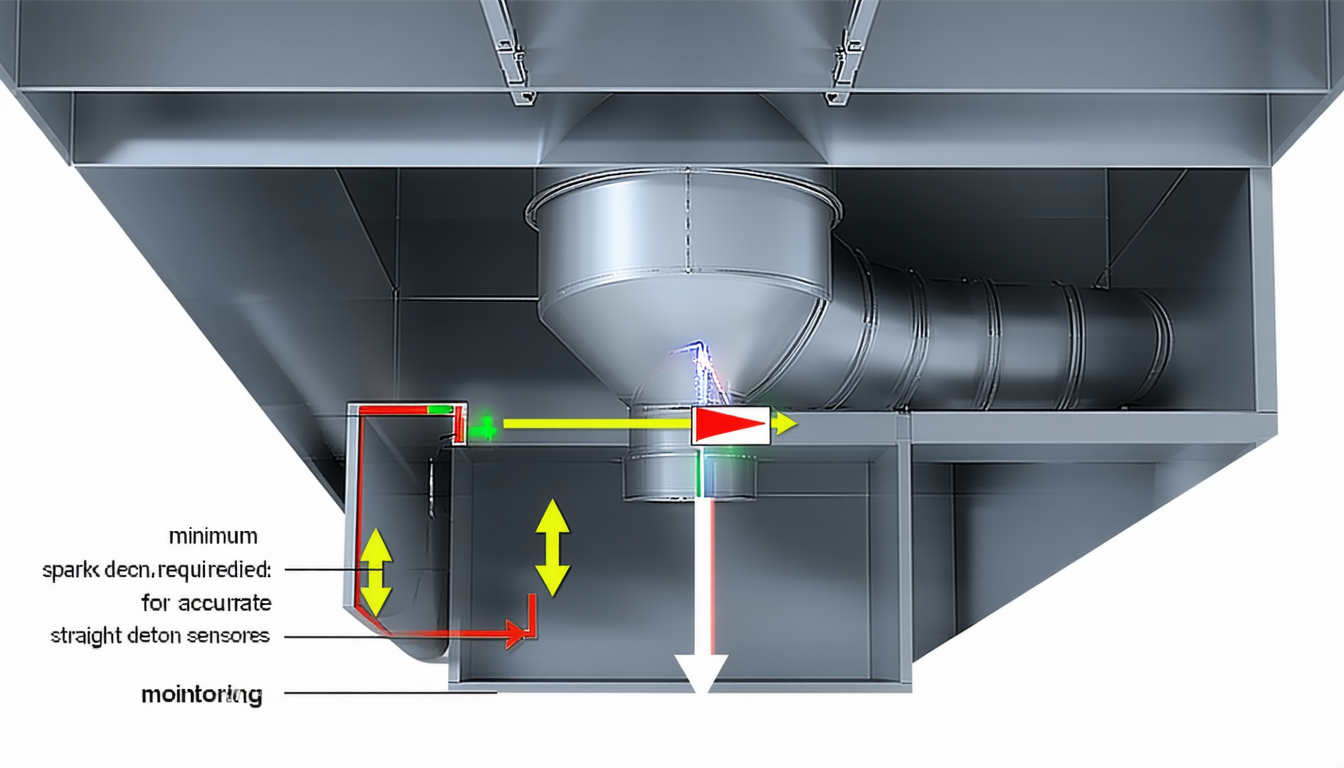
Sensor placement determines detection effectiveness and response time throughout your dust collection system. Sensors require minimum 3 feet of straight ductwork upstream and downstream for accurate detection without interference from turbulent airflow.
Optimal installation locations include:
Primary pickup points where sparks enter the system. Install sensors within 10 feet of grinding stations, cut-off saws, or other spark-generating equipment before ductwork branches or turns.
Main trunk lines serving multiple collection points. Place sensors in straight runs before the main collector inlet to catch sparks from any connected equipment.
Upstream of air-material separators or cyclones. Install sensors before material separation equipment to prevent sparks from reaching dust storage areas.
Branch connections from high-risk processes. Metalworking, welding cleanup, and abrasive operations need dedicated sensor coverage at their ductwork connection points.
Air velocity impacts sensor accuracy and response time. Velocities above 4,000 feet per minute can cause thermal signature distortion that delays detection or triggers false alarms. You may need velocity reduction sections or sensor shields in high-velocity applications.
Mounting hardware must provide sensor access for cleaning and calibration without ductwork disassembly. Most sensors require monthly cleaning to remove dust accumulation that blocks infrared detection. Plan for hinged access panels or removable duct sections at sensor locations.
Sensors need clear line-of-sight across the full duct cross-section. Avoid installations near dampers, transitions, or other obstructions that create thermal shadows where sparks could pass undetected.
Water Suppression vs Air Diversion: Choosing Your Response System

Water suppression systems extinguish sparks through direct contact cooling, while air diversion redirects spark-laden airflow away from the dust collector. Both approaches prevent ignition, but they have different infrastructure requirements and operational limitations.
| Feature | Water Suppression | Air Diversion | Isolation Valve |
|---|---|---|---|
| Response Method | Direct spark extinguishing | Airflow redirection | Flow stoppage |
| Infrastructure Cost | $25,000-$45,000 installed | $10,000-$18,000 installed | $8,000-$15,000 per valve |
| Water Supply | 15-25 GPM at 80+ PSI | None required | None required |
| Continuous Sparks | Handles sustained streams | Limited duration only | Stops all flow |
| Cleanup Requirements | Wet dust removal, drainage | Minimal cleanup needed | System restart only |
| Maintenance | Nozzle cleaning, pump service | Damper lubrication | Valve testing, replacement |
Water suppression requires dedicated water supply infrastructure with 15-25 GPM flow rate and 80+ PSI pressure for effective spark quenching. You need water storage tanks, pressure pumps, and drainage systems to handle suppression discharge. Installation costs include plumbing, electrical controls, and freeze protection in cold climates.
Air diversion systems redirect spark-laden airflow to atmosphere through emergency discharge dampers. This approach costs 40-60% less than water suppression because it uses existing system airflow without additional utilities. However, diversion cannot handle continuous spark streams from grinding operations that produce sustained ignition sources.
Drainage and cleanup considerations favor air diversion over water suppression. Water systems create wet dust that requires specialized disposal and can cause bacterial growth in storage hoppers. Air diversion produces no waste streams or cleanup requirements beyond normal dust handling procedures.
Integration with explosion isolation valves provides the highest protection level. When sensors detect sparks, isolation valves close within 20 milliseconds to prevent deflagration propagation between system components. This coordination protects your entire facility, not just the immediate collector area.
System selection depends on your spark generation patterns. Intermittent sparks from cutting or welding work well with air diversion. Continuous grinding or metalworking operations need water suppression to handle sustained ignition sources that outlast diversion system capacity.
Frequently Asked Questions
Can spark detection systems prevent all dust collector explosions?
Spark detection prevents explosions caused by transported ignition sources but cannot address sparks generated inside the collector itself. Static electricity buildup, mechanical friction from worn components, or spontaneous combustion require different protection strategies beyond upstream spark detection.
How often do spark detection sensors give false alarms?
Modern infrared systems produce 1-3 false alarms per month in typical manufacturing environments when properly calibrated. False positives usually result from hot material pieces, welding light reflection, or sensor contamination rather than actual system malfunction.
Do I need spark detection if my dust collector already has explosion vents?
Explosion vent panels manage pressure after ignition occurs but do not prevent the initial explosion. Spark detection stops ignition sources before they reach combustible dust accumulations, providing prevention rather than damage mitigation through venting.