
Pharmaceutical dust combustibility creates explosion hazards that kill workers at rates three times higher than wood dust incidents. The reason: nobody expects lactose and acetaminophen to explode with the force of industrial chemicals.
Key Takeaways:
- Pharmaceutical dust MIE values average 5-15 millijoules, 10x lower than wood dust, making static electricity lethal
- NFPA 660 Chapter 25 applies to 87% of pharmaceutical facilities that don’t qualify for food or chemical-specific chapters
- GMP cleanroom requirements conflict with explosion venting in 40% of pharmaceutical dust collection installations
Is Pharmaceutical Dust Actually Combustible?
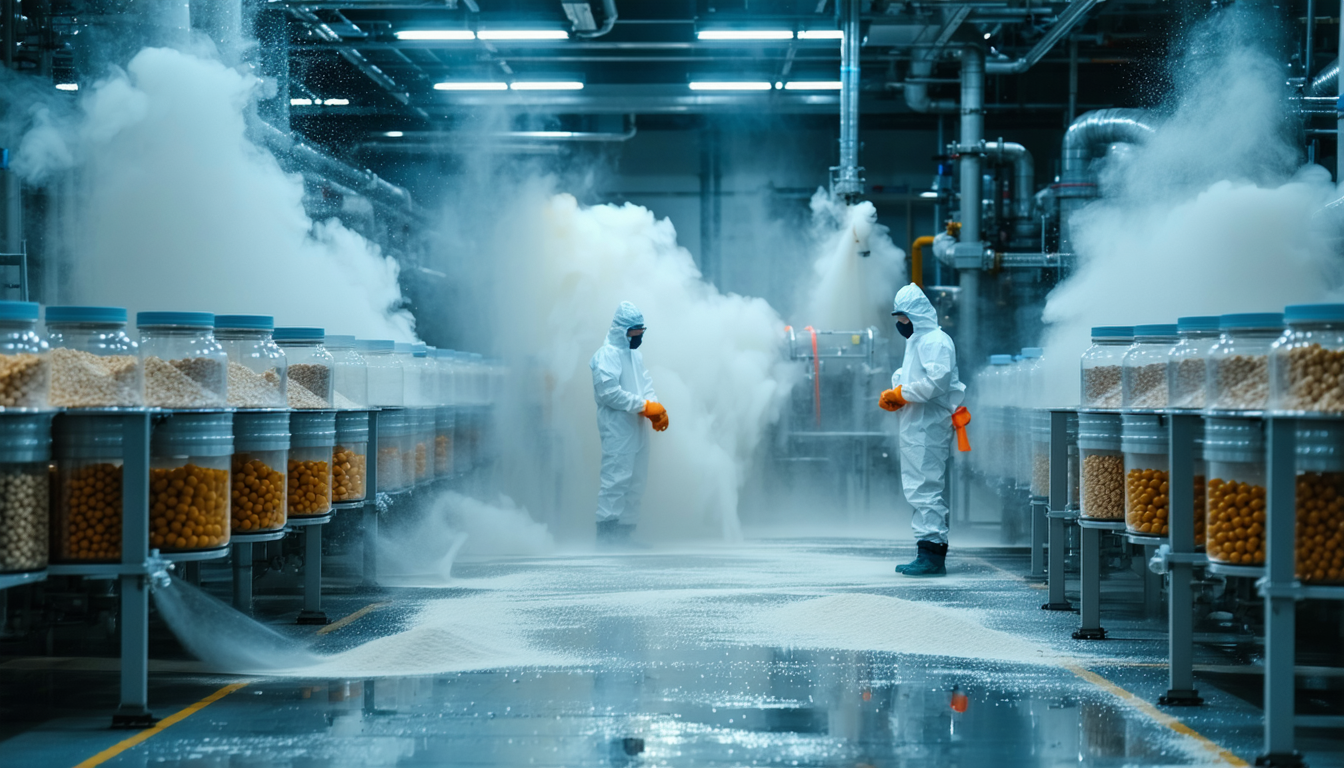
Pharmaceutical dust combustibility is the ability of medicinal powders to create explosive atmospheres when suspended in air at concentrations above their minimum explosive concentration. This means powders used to heal people can kill workers in dust explosions if proper precautions aren’t taken.
Lactose serves as the worst offender in pharmaceutical facilities. This common excipient shows Kst values ranging from 200-300 bar·m/s, placing it firmly in the St-2 explosion severity classification. The same powder that makes tablets palatable creates explosion pressures equivalent to moderate industrial chemicals when ignited.
Fine particle sizes make pharmaceutical dust more dangerous than typical industrial materials. Most pharmaceutical powders range from 10-100 microns, compared to wood dust which averages 200-500 microns. Smaller particles create larger surface area per unit mass, increasing reaction rates and explosion violence.
The common misconception that medical materials are inherently safe kills workers. Acetaminophen, cornstarch, and vitamin powders all meet the definition of combustible dust under NFPA 660. Their pharmaceutical use doesn’t exempt them from explosion physics.
Low MIE Values: Why Pharmaceutical Powders Ignite From Static Electricity
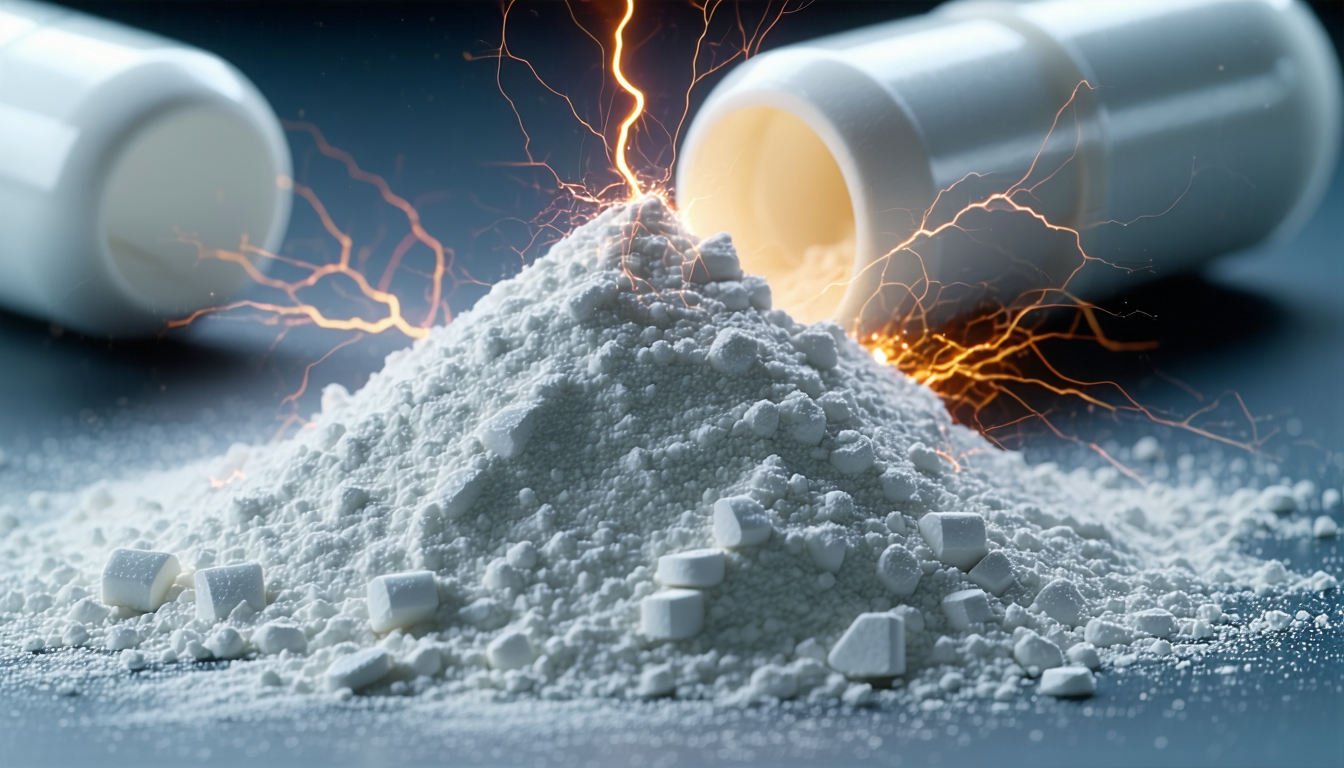
Low MIE values for pharmaceutical powders require enhanced static control measures because these materials ignite from energy levels that industrial facilities routinely ignore.
| Material | MIE Range (millijoules) | Ignition Risk |
|---|---|---|
| Lactose | 5-8 | Extremely High |
| Acetaminophen | 10-12 | Very High |
| Cornstarch | 15 | High |
| Wood Dust | 40-100 | Moderate |
| Coal Dust | 60-140 | Moderate |
The 5-15 millijoule range makes static electricity lethal in pharmaceutical operations. A person walking across carpet generates 15,000 millijoules of static energy. Even properly grounded workers can discharge 5-10 millijoules through normal movement and contact.
Lactose shows the lowest MIE values because its molecular structure breaks down at low energy inputs. The hydroxyl groups create reactive sites that initiate combustion chains with minimal activation energy. This makes lactose more reactive than many industrial explosives.
Testing method differences matter for pharmaceutical materials. Standard ASTM E2019 testing uses 20-liter spheres designed for industrial dusts. Pharmaceutical powders require modified test protocols because their fine particle distribution affects ignition behavior differently than coarser industrial materials.
NFPA 660 Chapter 25: Which Pharmaceutical Facilities Must Comply

NFPA 660 Chapter 25 applies to general industry pharmaceutical operations that don’t meet the specific criteria for food processing or chemical manufacturing chapters.
Check if your operation qualifies for Chapter 20 (Chemical Processing Industries) by confirming you handle bulk chemicals in continuous processes rather than batch pharmaceutical manufacturing.
Verify Chapter 21 (Agricultural and Food Processing Facilities) doesn’t apply by confirming you don’t process agricultural commodities or food ingredients as your primary operation.
Determine if your facility handles pharmaceutical powders in quantities exceeding the threshold dust quantity specified in Chapter 8.
Confirm your operation involves pharmaceutical manufacturing, packaging, or blending rather than research and development activities below commercial scale.
Contract manufacturers usually fall under Chapter 25 because they perform pharmaceutical operations without meeting the volume or process criteria for chemical industry classifications. Their batch-based operations and multi-product capabilities place them in general industry categories.
Mixing operations that cross industry boundaries trigger the most restrictive requirements. If you blend pharmaceutical powders with food ingredients, your entire facility must meet Chapter 25 requirements because pharmaceutical materials typically have lower MIE values and higher explosion pressures than food commodities.
Chapter 25 applies when pharmaceutical operations don’t meet the specific criteria for Chapters 20 or 21, which covers approximately 87% of pharmaceutical manufacturing facilities in the United States.
How Do GMP Requirements Conflict With Explosion Protection Systems?
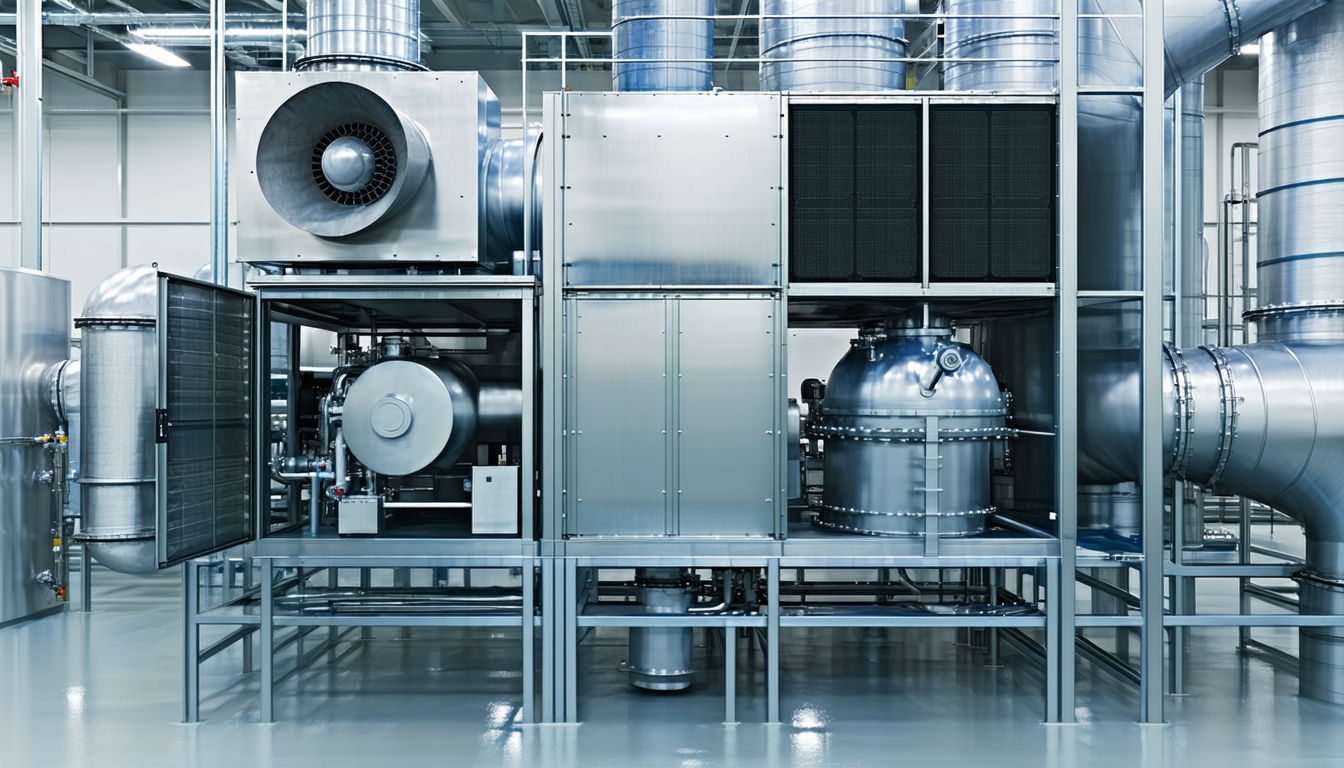
GMP compatibility conflicts with explosion protection requirements create compliance challenges that affect system design and validation procedures.
| Requirement | GMP Need | Explosion Protection | Conflict Resolution |
|---|---|---|---|
| Air Handling | Controlled airflow, HEPA filtration | Explosion venting to atmosphere | Flameless venting with validated filtration |
| Materials | Stainless steel construction | Carbon steel acceptable | Stainless steel throughout adds 40% cost |
| Cleaning | CIP/SIP validation required | Standard maintenance adequate | Modified cleaning validation protocols |
| Documentation | Change control for all modifications | Standard engineering changes | FDA change control process required |
Cleanroom air handling requirements conflict with explosion venting needs because GMP facilities maintain positive pressure with HEPA-filtered supply air. Explosion vents discharge to atmosphere, disrupting controlled environments and potentially contaminating adjacent areas.
Stainless steel equipment requirements increase explosion protection costs because pharmaceutical facilities specify 316L stainless construction for product contact surfaces. Standard carbon steel explosion protection components require upgrade to stainless steel, adding 30-40% to system costs.
Validation requirements complicate explosion protection installation because FDA requires change control documentation for any modification affecting product quality or worker safety. Installing explosion vents triggers partial revalidation of environmental monitoring and cleaning validation programs.
FDA Form 483 observations cite dust control deficiencies in 23% of pharmaceutical facility inspections where combustible dust hazards are present, often focusing on inadequate integration between GMP and explosion safety requirements.
Potent Compound Containment: When Explosion Protection Meets Worker Protection
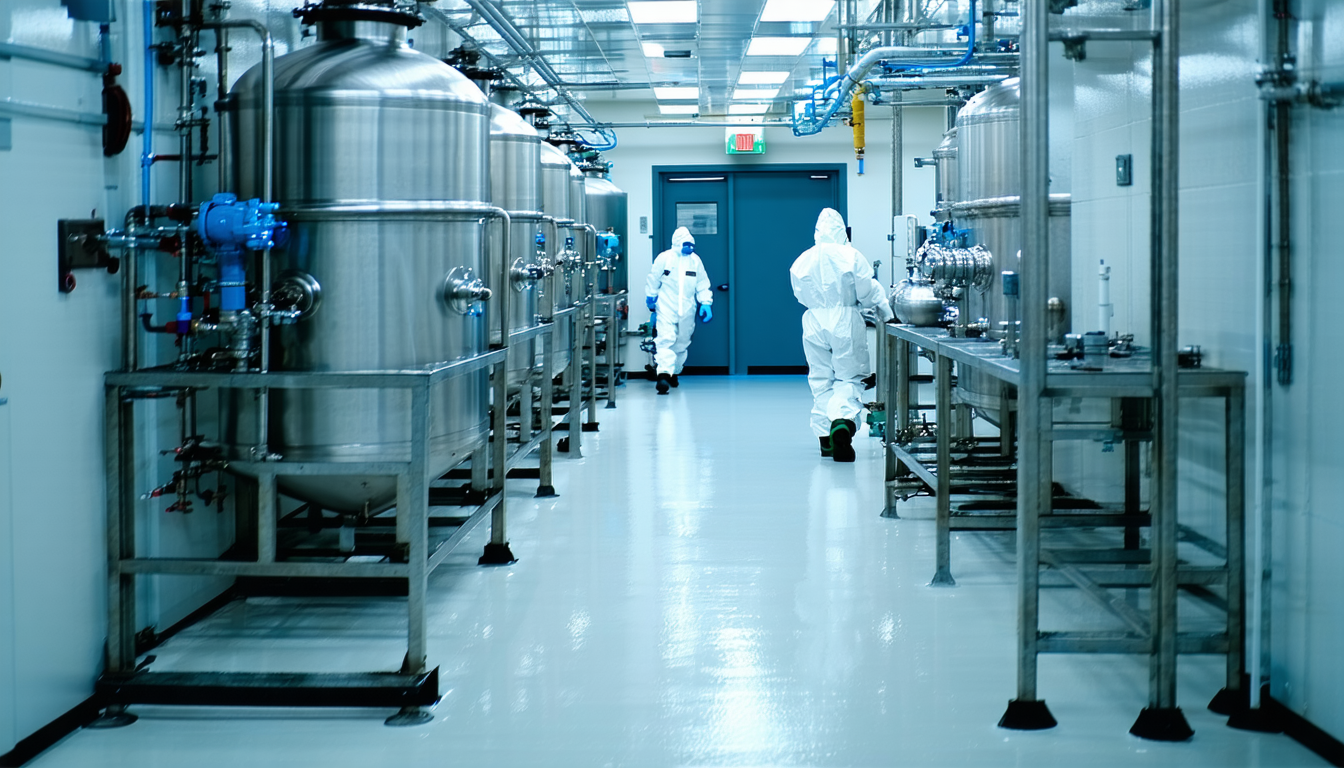
Potent compound containment requires modified explosion protection approaches when handling materials with occupational exposure limits below standard industrial thresholds.
- Negative pressure containment systems conflict with explosion isolation requirements because isolation valves need positive pressure differentials to function properly during deflagration events
- HEPA filtration downstream of explosion protection creates back-pressure that affects vent sizing calculations and may prevent proper pressure relief during explosions
- Glove box operations require explosion protection inside contained volumes, but standard vent panels cannot be installed within sealed enclosures
- Transfer operations between contained and non-contained areas create dust accumulation points that require specialized explosion protection designed for potent compound protocols
- Maintenance access for explosion protection components must maintain containment integrity, often requiring specialized procedures and additional personnel protective equipment
OEL-driven containment systems prioritize worker protection from chemical exposure over explosion safety, creating design conflicts when both requirements apply simultaneously. Facilities handling compounds with OELs below 10 micrograms per cubic meter require containment approaches that may interfere with explosion pressure relief.
Specialized filtration affects explosion protection performance because high-efficiency particulate filters create pressure drops that influence deflagration propagation and vent sizing calculations. The combination of containment and explosion protection requires engineering analysis beyond standard NFPA 68 guidelines.
Plastic and Polymer Dust in Pharmaceutical Manufacturing

Plastic and polymer dusts create secondary combustible hazards in pharmaceutical facilities through packaging materials, coating powders, and excipient polymers that operators don’t recognize as explosion risks.
Packaging operations generate combustible dust from bottle cutting, cap sorting, and label printing activities. High-density polyethylene and polypropylene particles show Kst values of 150-200 bar·m/s when present in pharmaceutical facility dust mixtures. These materials accumulate in packaging areas where housekeeping programs focus on product contamination rather than explosion prevention.
Coating powder operations create the highest plastic dust concentrations during tablet and capsule coating processes. Polymer coating materials typically show Kst values of 150-250 bar·m/s when tested as pharmaceutical facility dust mixtures, placing them in St-1 to St-2 explosion severity classifications.
Mixed plastic and pharmaceutical dusts prove more dangerous than single materials because the combination creates unpredictable ignition and explosion characteristics. Testing single materials doesn’t predict the behavior of dust mixtures found in actual facility operations.
Capsule manufacturing generates gelatin and polymer dust from cutting, sorting, and rejection operations. These dusts mix with pharmaceutical powders during normal operations, creating combustible mixtures that require testing as combined materials rather than individual components.
Polymer coating dusts typically show Kst values of 150-250 bar·m/s when tested as pharmaceutical facility dust mixtures, requiring the same explosion protection as moderate-severity pharmaceutical powders.
Frequently Asked Questions
Do I need explosion protection on pharmaceutical powder blending equipment?
NFPA 660 requires explosion protection on any equipment where combustible dust can accumulate above the MEC threshold. Most pharmaceutical blending operations create dust concentrations well above this threshold, triggering protection requirements regardless of the powder’s medical use.
Can I use the same dust collection system for pharmaceutical and chemical powders?
Chapter 25 allows mixed operations but requires the most restrictive requirements from all materials present. If you’re handling both pharmaceutical powders and industrial chemicals, your entire system must meet the higher explosion protection requirements of whichever material is more reactive.
How do I maintain GMP validation when installing explosion vents?
FDA requires revalidation of any system modification that affects product quality or worker safety. Installing explosion protection triggers a change control process and partial revalidation of your environmental monitoring and cleaning validation programs.
What makes pharmaceutical dust more dangerous than food processing dust?
Pharmaceutical powders have much lower MIE values (5-15 mJ) compared to food dusts (20-50 mJ), meaning they ignite from smaller static electricity discharges. The finer particle sizes in pharmaceutical processing also create higher explosion pressures when ignited.