Coal dust explosion physics destroyed the West Frankfort mine in 1951, killing 166 miners. The same deflagration characteristics that devastated that Illinois facility can destroy your coal handling operation if you don’t understand coal’s specific explosion profile and prevention requirements.
Key Takeaways:
- Coal dust has a Kst value of 89-156 bar·m/s, placing it in the St-1 explosion class with moderate deflagration severity
- Rock dusting reduces coal dust explosion propagation by diluting combustible particles with limestone to less than 65% coal content
- MSHA requirements overlap with NFPA 660 for coal handling facilities, creating dual regulatory compliance obligations
Why Does Coal Dust Explode? The Physics Behind Coal Deflagration
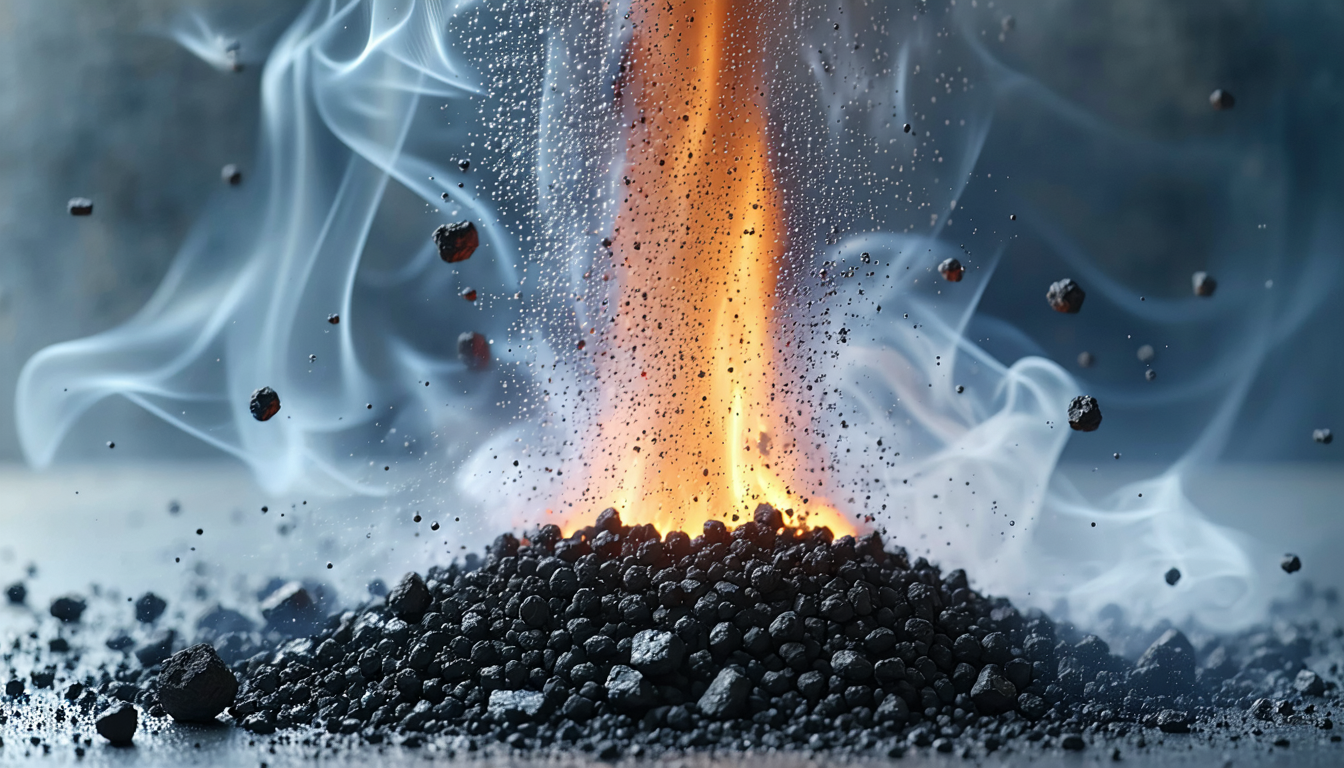
Coal dust deflagration is a rapid combustion process where dispersed coal particles react with oxygen to create pressure waves that propagate through enclosed spaces. This means coal particles smaller than 420 microns create sufficient surface area for explosive combustion when mixed with air in concentrations between 60-2,000 grams per cubic meter.
The material Kst profile for coal varies by volatile content and particle size. Bituminous coal typically shows Kst values between 89-156 bar·m/s, placing it in the St-1 explosion class. Anthracite coal registers lower Kst values around 60-90 bar·m/s due to reduced volatile matter content. Lignite and sub-bituminous coals can reach Kst values up to 200 bar·m/s.
Particle size drives explosion severity. Coal particles between 75-150 microns create maximum explosion risk because they provide optimal surface area-to-mass ratios for rapid oxidation. Particles larger than 420 microns don’t create sufficient surface area for deflagration. The minimum explosive concentration for coal dust ranges from 60-100 grams per cubic meter depending on volatile content, moisture level, and particle size distribution.
Coal dust differs from other organic combustible dust materials in two ways. First, coal contains inherent moisture that can inhibit ignition but also creates handling challenges. Second, coal’s volatile matter content varies dramatically by type, creating different explosion characteristics within the same material category.
Historical Coal Dust Explosions: Lessons From Mining Disasters
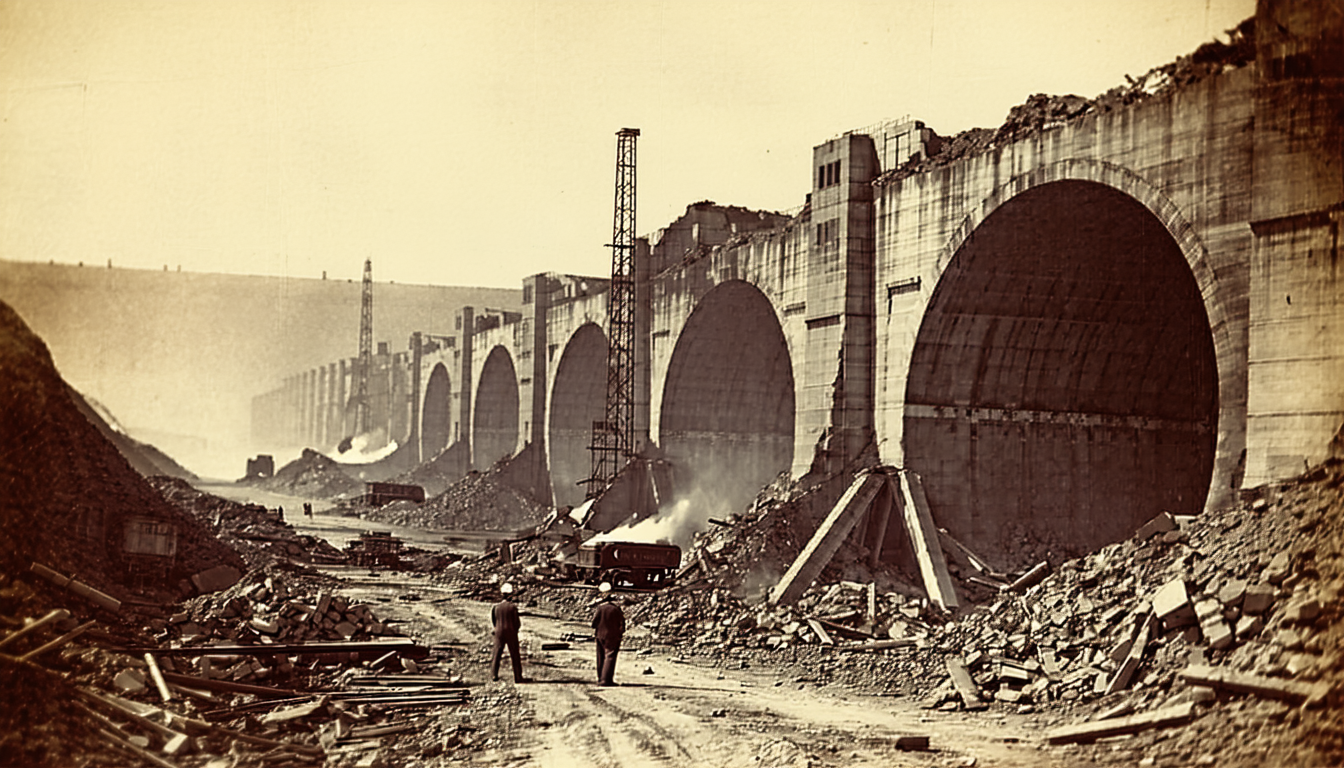
Historical coal dust incidents demonstrate the devastating potential of uncontrolled deflagration in confined spaces. The deadliest US coal dust explosion occurred at West Frankfort, Illinois in 1951 when accumulated coal dust ignited and propagated through mine tunnels, killing 166 miners instantly.
| Incident | Year | Fatalities | Primary Cause | Regulatory Change |
|---|---|---|---|---|
| West Frankfort, IL | 1951 | 166 | Coal dust accumulation + spark | MSHA rock dusting requirements |
| Centralia, PA | 1947 | 111 | Methane ignition + coal dust secondary | Improved ventilation standards |
| Farmington, WV | 1968 | 78 | Multiple ignition sources + dust | Federal Coal Mine Health and Safety Act |
| Upper Big Branch, WV | 2010 | 29 | Methane + coal dust propagation | Enhanced MSHA enforcement |
Root cause analysis reveals three common factors across major incidents. Ignition sources included electrical equipment failures, cutting tool sparks, and methane gas ignition. Coal dust accumulation exceeded safe thresholds due to inadequate cleaning and ventilation. Explosion propagation occurred when primary blasts lifted settled dust into suspension, creating secondary explosions that traveled through connected areas.
These disasters changed mining safety regulations. The 1952 Federal Mine Safety Code mandated rock dusting in coal mines. The 1969 Federal Coal Mine Health and Safety Act established MSHA and required comprehensive dust control programs. The 2010 Upper Big Branch explosion led to enhanced MSHA enforcement authority and stricter inspection protocols.
Modern prevention focuses on elimination rather than mitigation. Current MSHA standards require continuous dust monitoring, regular rock dust application, and explosion-proof electrical equipment in coal handling areas.
Rock Dusting: How Limestone Prevents Coal Dust Explosions
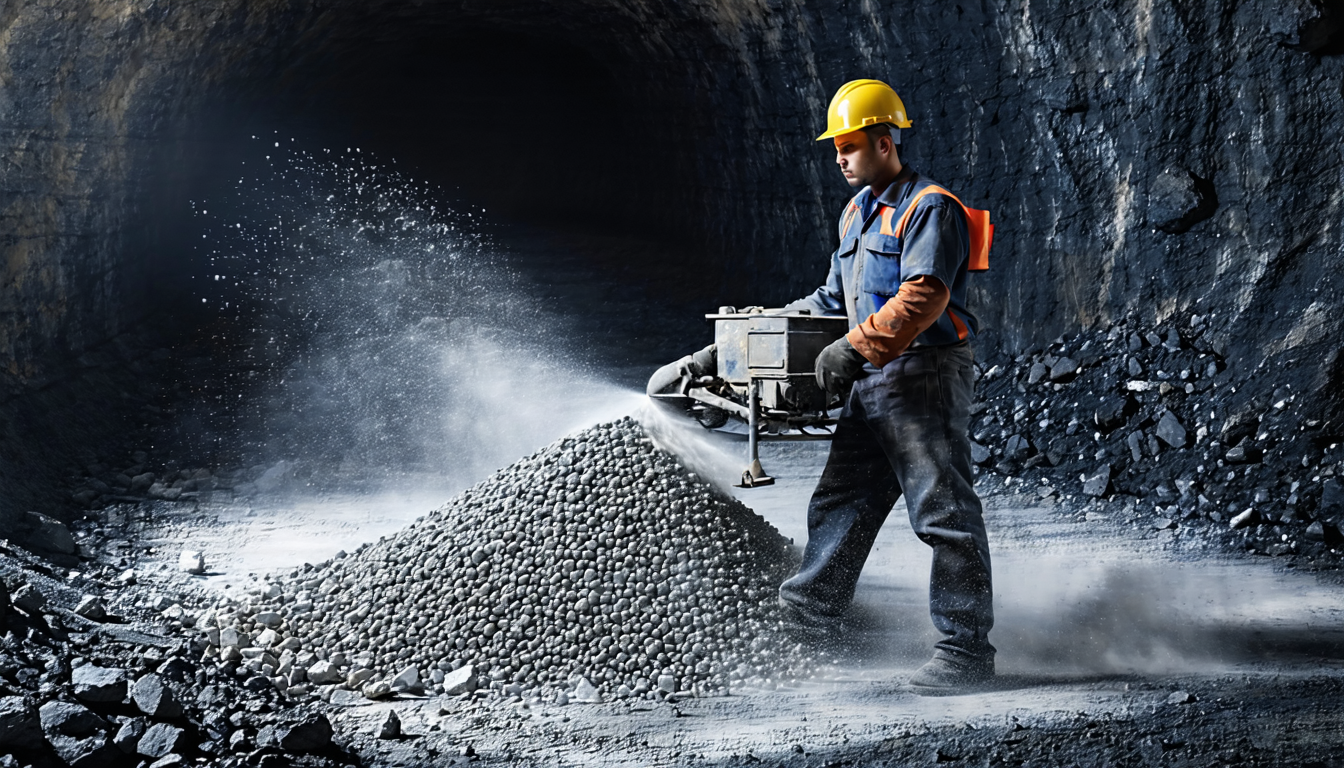
Rock dusting dilutes coal dust concentration below explosive thresholds by mixing inert limestone particles with combustible coal dust. The limestone acts as a heat sink, absorbing thermal energy and preventing flame propagation through dust layers.
- Apply rock dust to maintain coal content below 65% of total dust mixture in most areas and below 80% in areas within 40 feet of electric equipment.
- Distribute limestone dust with particle sizes between 75-250 microns to match coal dust particle distribution for effective mixing.
- Reapply rock dust weekly or after any coal handling operation that creates significant dust accumulation in work areas.
- Test dust samples monthly to verify coal content remains below MSHA thresholds using laboratory analysis or field screening methods.
- Focus application on areas where coal dust settles, including ledges, equipment surfaces, roof bolts, and ventilation structures.
Effective rock dusting maintains coal dust content below 65% of total dust mixture in areas where methane concentrations stay below 1.0%. In areas with higher methane levels or within 40 feet of electrical equipment, coal content must stay below 80% even with rock dust application.
Application methods include pneumatic rock dusting machines for large areas and hand application for targeted spots. Rock dust must contain at least 70% calcium carbonate and less than 5% free silica to meet MSHA specifications. The dust must pass through a 20-mesh screen to ensure proper particle size distribution.
Frequency depends on coal handling activity. Active mining areas require weekly application. Storage and conveyor areas need monthly application unless visible coal dust accumulation exceeds 1/8 inch depth.
MSHA vs NFPA 660: Which Regulations Apply to Coal Handling Facilities?
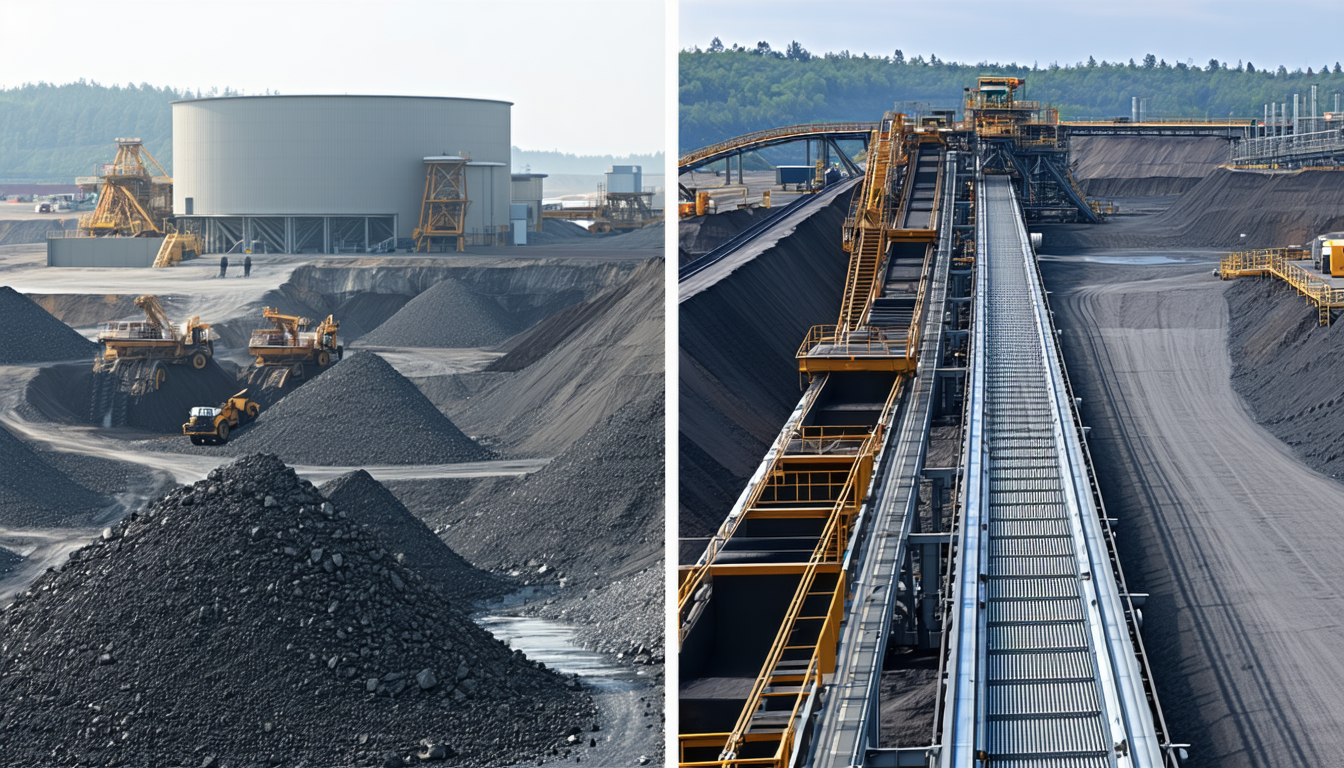
MSHA regulates coal extraction and underground mining operations while NFPA 660 governs coal processing and power generation facilities, creating overlapping jurisdiction for facilities that handle coal in both contexts.
| Aspect | MSHA Jurisdiction | NFPA 660 Application |
|---|---|---|
| Scope | Underground mines, surface mines, preparation plants | Power plants, industrial boilers, coal processing |
| Dust limits | Coal content <65% with rock dusting | Based on Kst testing and facility-specific analysis |
| Inspection authority | Federal enforcement with citation power | Referenced by OSHA under General Duty Clause |
| Electrical requirements | Permissible equipment in classified areas | Class II electrical classification per NEC |
MSHA jurisdiction extends to coal preparation plants that clean and process raw coal from mines. NFPA 660 applies to facilities that burn coal for energy or process coal into other products. Facilities that receive coal from mines but operate independently from mining companies typically fall under NFPA 660 jurisdiction.
Dual compliance occurs when facilities cross jurisdictional boundaries. A coal preparation plant connected to an active mine follows MSHA standards. The same facility’s coal storage and handling areas for non-mining customers must meet NFPA 660 requirements. This creates two sets of dust control standards, electrical requirements, and inspection protocols.
MSHA requirements focus on immediate life safety in confined mining environments. NFPA 660 addresses process safety in industrial facilities with different risk profiles. MSHA mandates specific rock dusting ratios while NFPA 660 requires facility-specific dust hazard analysis to determine appropriate controls.
Compliance verification requires understanding which authority has jurisdiction over each area of your facility. MSHA inspections carry federal enforcement authority with shutdown power. NFPA 660 violations fall under OSHA’s General Duty Clause with citation and penalty authority.
What Coal Dust Prevention Methods Actually Work in Industrial Settings?
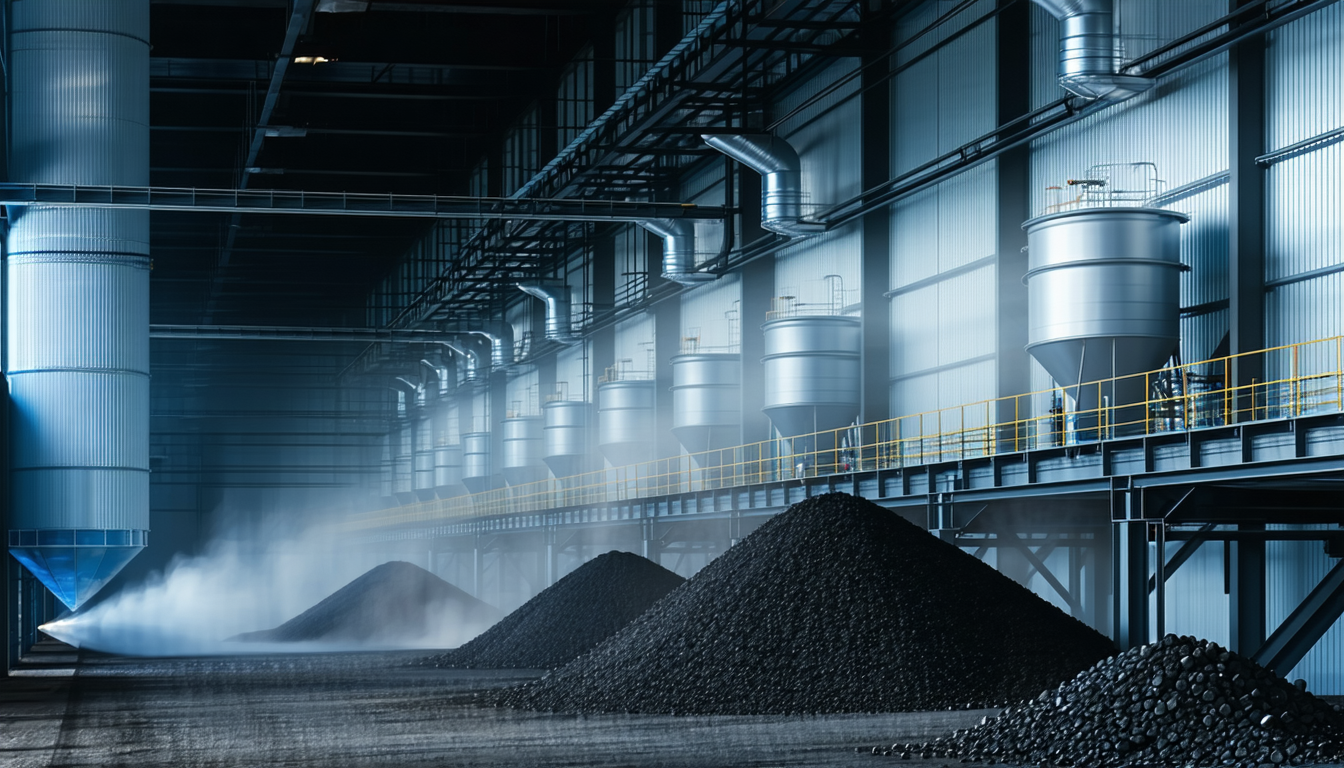
Prevention methods must address coal dust’s unique characteristics including moisture content, particle size distribution, and tendency toward spontaneous heating in storage conditions.
- Dust collection systems require minimum 4,000 feet per minute transport velocity to prevent coal dust settling in ductwork, with explosion-rated equipment due to coal’s St-1 classification
- Moisture control maintains coal at 8-12% moisture content to suppress dust formation without creating handling problems or spontaneous combustion risk in storage piles
- Ignition source elimination includes explosion-proof electrical equipment, hot work permit systems, and temperature monitoring for spontaneous heating detection in coal storage areas
- Administrative controls mandate daily housekeeping inspections, quarterly combustible dust training for workers, and written procedures for coal handling operations
- Ventilation systems provide continuous air movement to prevent dust accumulation and maintain dust concentrations below 25% of the minimum explosive concentration
- Ground and bonding programs eliminate static electricity buildup during coal transfer operations using proper electrical continuity between equipment and earth ground
Dust collection system design for coal requires careful consideration of moisture content and particle characteristics. Coal dust tends to cake in filters when moisture exceeds 12%, requiring pulse-jet cleaning systems with sufficient pressure to dislodge compacted material. Collection systems must handle varying particle sizes from fine coal dust to larger coal fragments without plugging.
Moisture control balances dust suppression with handling requirements. Water spray systems at transfer points reduce airborne dust but excessive moisture creates conveyor belt slippage and storage problems. Optimal moisture content varies by coal type, with bituminous coal handling best at 10-12% moisture while anthracite can tolerate lower moisture levels.
Ignition source control focuses on hot surfaces and electrical equipment. Coal handling equipment operating temperatures must stay below 200°C to prevent ignition. Electrical equipment requires Class II, Group F classification for coal dust environments. Temperature monitoring systems detect spontaneous heating in coal storage piles before ignition occurs.
Frequently Asked Questions
What particle size makes coal dust explosive?
Coal dust becomes explosive when particles are smaller than 420 microns (40 mesh), with maximum explosion risk occurring at 75-150 micron particle sizes. Larger coal particles do not create sufficient surface area for rapid deflagration.
Can coal dust explode without an ignition source?
No, coal dust requires an ignition source to explode, typically electrical arcs, hot surfaces above 450°C, or open flames. Spontaneous combustion in coal piles is different from dust explosion and occurs through slow oxidation processes.
How is coal dust different from wood dust in explosion risk?
Coal dust has lower Kst values (89-156) compared to wood dust (up to 300), making coal explosions less severe but still deadly. Coal dust also requires different moisture control strategies due to its tendency toward spontaneous heating.