
Dust collector grounding requirements confuse engineers who still ask about grounding PVC ductwork for combustible dust, which proves they don’t understand what grounding does. You cannot ground an insulator. PVC accumulates static charge because it blocks electrical flow to ground.
Key Takeaways:
- PVC cannot be grounded because insulators don’t conduct electricity, the grounding wire myth wastes money and creates false security
- NFPA 77 requires all metallic components within 25 feet of dust handling equipment maintain less than 1-ohm resistance to ground
- Static charge accumulation increases with transport velocity, systems above 4,000 ft/min create 10x more static buildup than recommended speeds
Why Can’t You Ground PVC Ductwork for Dust Collection?
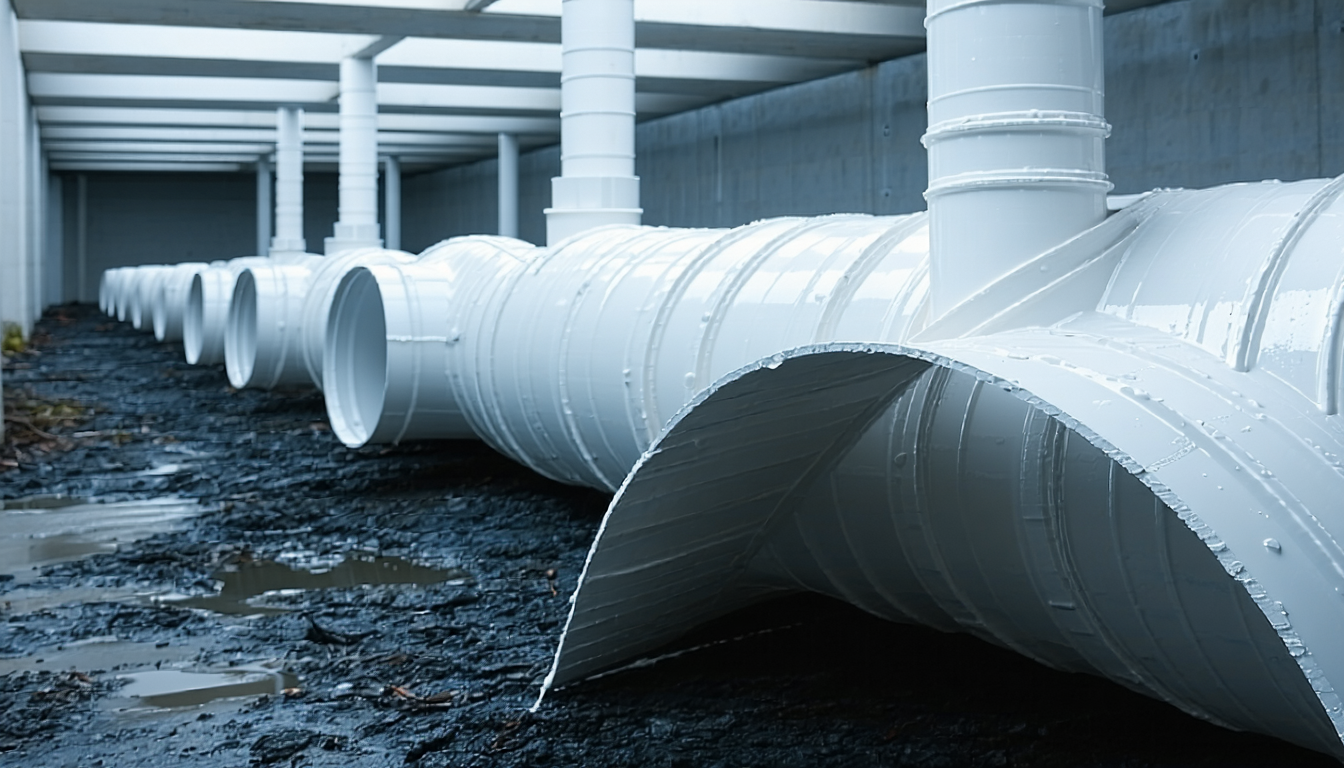
PVC ductwork is an electrical insulator. This means PVC blocks electrical current flow rather than conducting it. You cannot create a path to ground through material that prevents electrical flow.
The physics is straightforward. PVC resistivity exceeds 10^14 ohm-cm, over a trillion times more resistant than copper. Static electricity requires a conductive path to dissipate. PVC provides no path.
Contractors attach copper grounding wires to PVC ductwork anyway. This creates false security without function. The wire bonds to itself and nearby metal components, but cannot discharge static buildup in the PVC surface. The plastic remains electrically isolated.
Static charge accumulates on PVC surfaces during dust transport. The charge has nowhere to go. Air velocity creates triboelectric charging between dust particles and ductwork walls. Higher velocities generate more charge. PVC systems for combustible dust collection violate NFPA 660 requirements and accumulate dangerous static levels.
Grounding requires conductivity. PVC lacks conductivity. Therefore PVC cannot be grounded. Engineers asking about PVC grounding methods miss this basic electrical principle.
NFPA 77 Static Electricity Requirements for Dust Collection Systems
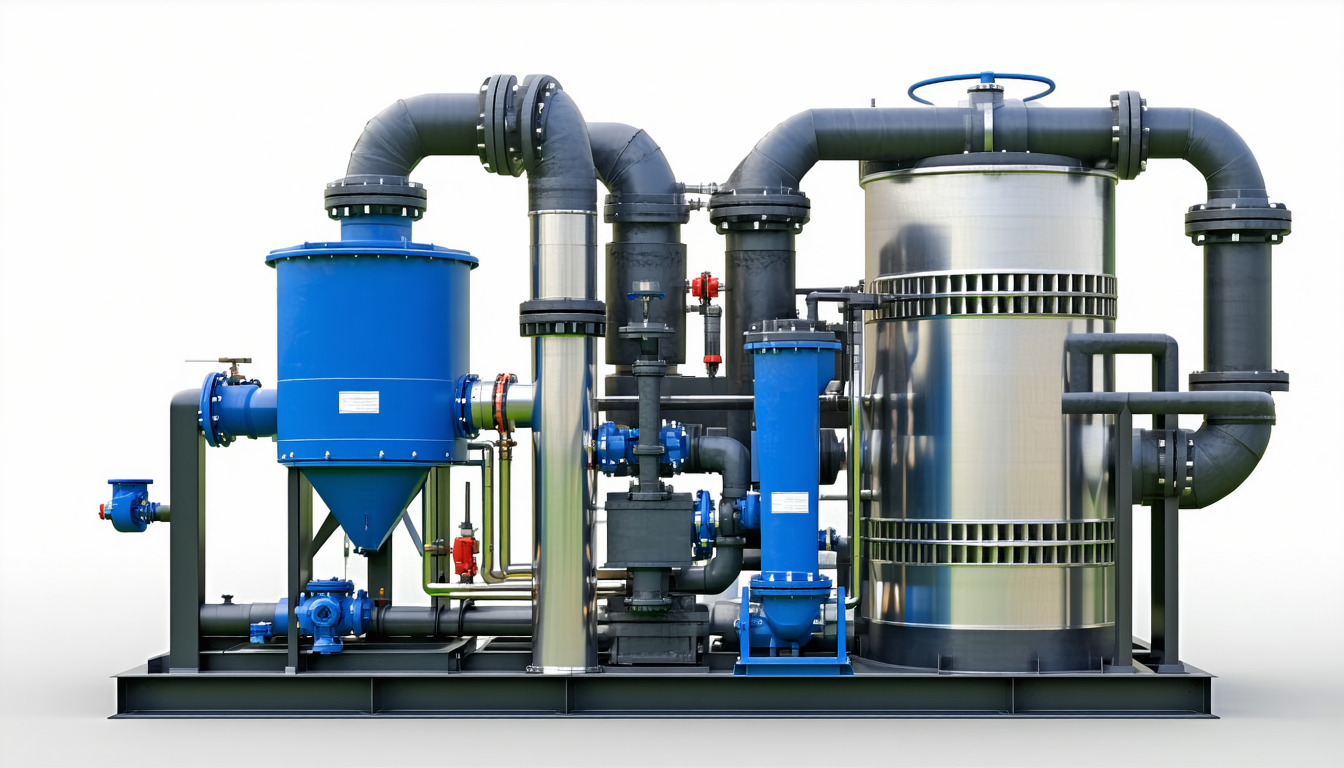
NFPA 77 establishes static electricity control requirements for dust handling equipment. Section 7.4.1 requires all metallic components maintain maximum 1-ohm resistance to ground. This applies to ductwork, collectors, and ancillary equipment within 25 feet of dust handling processes.
| Component | NFPA 77 Requirement | Metal Ductwork Application |
|---|---|---|
| Maximum Resistance | 1 ohm to ground | Test every joint and connection |
| Bonding Distance | 25 feet from dust handling | Include all ductwork, dampers, sensors |
| Testing Frequency | Annual minimum | After any system modifications |
| Wire Specification | #10 AWG minimum | Copper bonding conductors only |
Bonding differs from grounding. Bonding connects metal components to each other, creating electrical continuity. Grounding connects the entire bonded system to earth through a dedicated grounding electrode.
The 25-foot rule captures all equipment that could accumulate static during normal operations. This includes ductwork sections, blast gates, rotary valves, and filter housings. Every metallic component needs bonding to maintain the 1-ohm maximum resistance path.
Combustible dust collection systems must comply with NFPA 77 static electricity requirements. Metal ductwork provides the only compliant option for dust transport systems handling combustible materials.
How Static Charge Generation Works in Dust Transport Systems
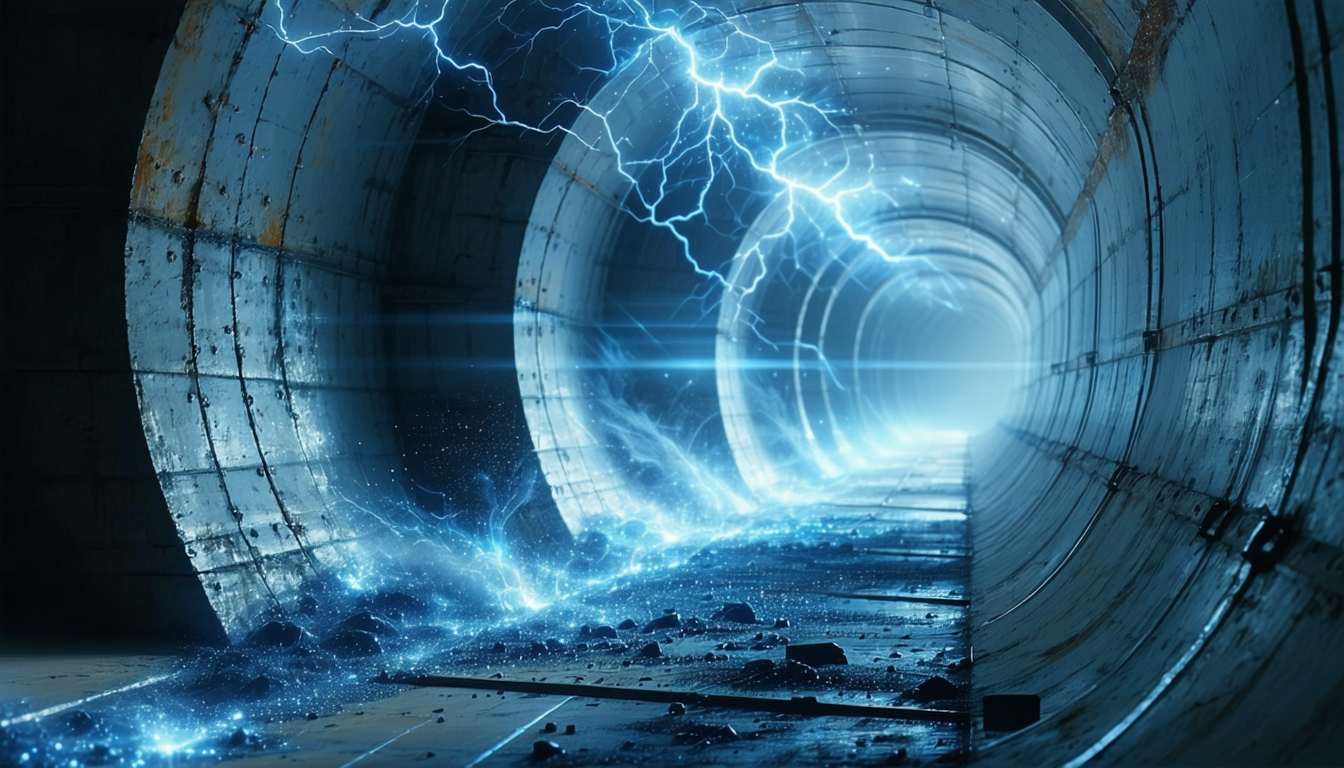
Triboelectric charging generates static electricity when dust particles contact ductwork surfaces. Dust particles and ductwork materials exchange electrons during collision. The material with higher electron affinity pulls electrons from the other material, creating charge separation.
Transport velocity controls static generation rates. Higher air speeds increase particle-to-wall contact frequency and force. Systems operating above 4,000 ft/min create exponentially higher static accumulation than the recommended 3,500 ft/min maximum for combustible dust transport.
Dust particle size affects charging rates. Smaller particles carry charge more easily but have less individual charge capacity. Larger particles accumulate more total charge but require higher velocities for suspension. The particle size distribution in your specific dust affects static generation patterns.
Humidity reduces static accumulation in some applications. Water molecules provide charge dissipation paths on material surfaces. However, humidity control cannot substitute for proper grounding and bonding in combustible dust applications. NFPA 660 requires metallic ductwork regardless of humidity levels.
Static electricity accumulates continuously during dust transport. Without proper grounding paths, charge buildup reaches levels sufficient to ignite combustible dust clouds. This creates direct ignition risk during normal system operation.
How to Ground a Metal Dust Collection System Properly
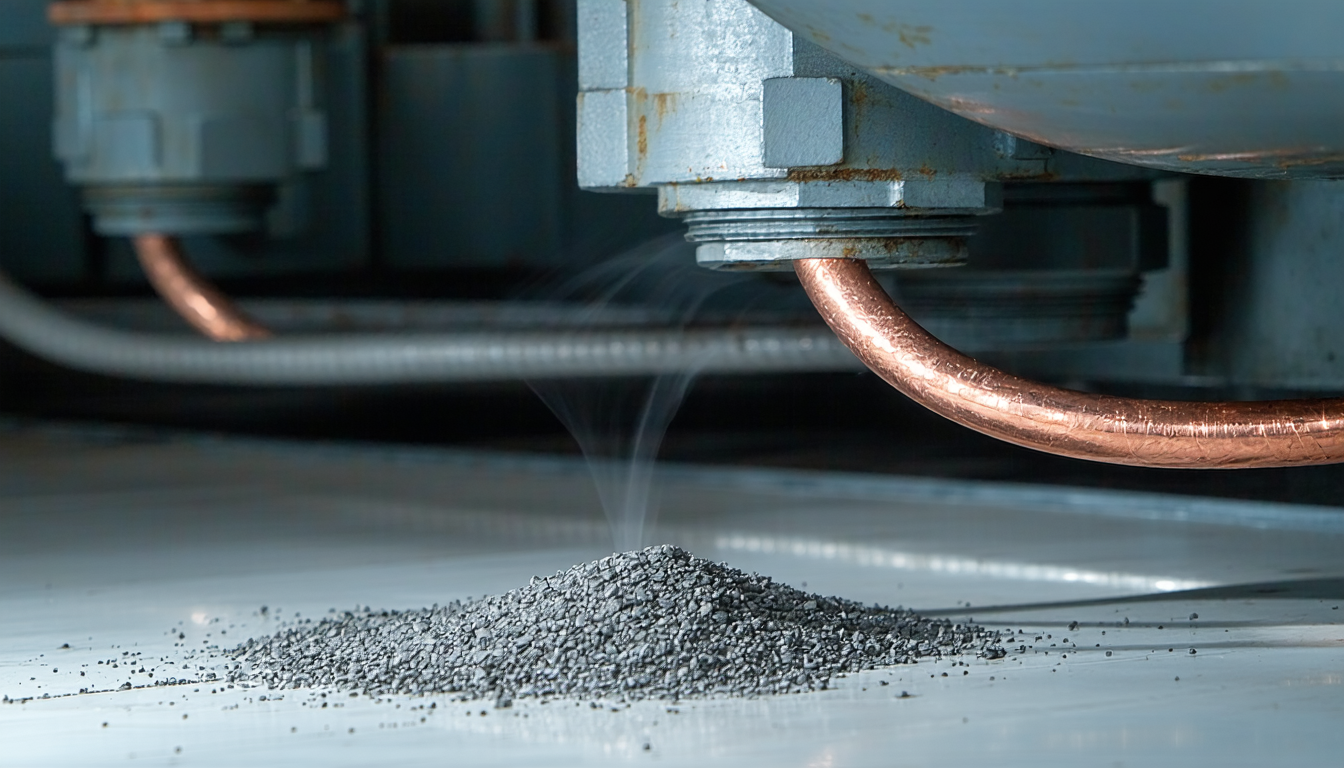
Proper dust collection system grounding requires systematic bonding of every metal component to create continuous electrical paths to ground.
Install main grounding electrode according to local electrical codes. Connect the dust collection system to this electrode using #6 AWG minimum copper conductor.
Bond every ductwork joint using #10 AWG copper jumper wires. Install jumpers across flanged connections, slip joints, and flexible connections to maintain electrical continuity.
Bond all ancillary equipment including dampers, sensors, access doors, and cleaning equipment. Each component needs individual bonding connection to the main ductwork system.
Test resistance between every bonded component and ground using a low-resistance ohmmeter. Verify less than 1-ohm resistance at all connection points.
Document all bonding connections and test results. Repeat resistance testing annually and after any system modifications or repairs.
Bonding failures occur at connection points. Painted surfaces prevent electrical contact. Remove paint or coating at all bonding locations. Use star washers or bonding hardware designed to penetrate surface coatings.
The baghouse collector housing requires multiple bonding points. Bond the housing, hopper, access doors, and any external equipment mounted to the collector. Each pneumatic valve and sensor needs individual bonding connection.
Metal Ductwork Bonding Connection Points and Methods
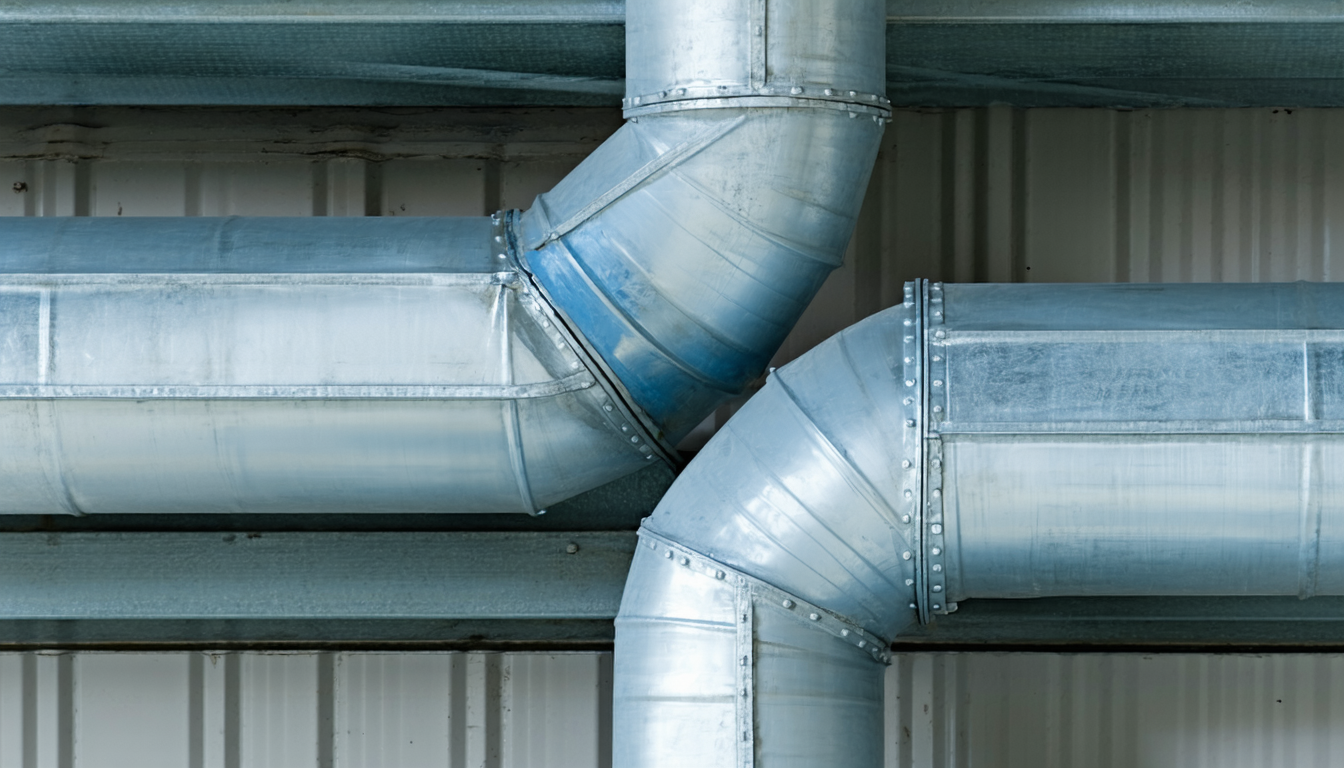
Every metal component in the dust collection system needs bonding to maintain electrical continuity. Critical bonding locations include specific connection points throughout the system.
Ductwork flanged joints require bonding jumpers across the joint. Gaskets and paint block electrical continuity between flange faces.
Cartridge collector housing sections need bonding at access doors, hopper connections, and any break in metal continuity. Each section must connect to the main grounding system.
Flexible ductwork connections use metal flex hose with continuous bonding wire. Plastic or fabric flex connections break electrical continuity and require bonding jumpers.
Rotary valves and airlocks need bonding at both inlet and outlet connections. The rotating mechanism can interrupt electrical paths without proper bonding.
Explosion venting panels require bonding to the ductwork or collector housing. The panel frame must maintain electrical continuity with the protected equipment.
Minimum #10 AWG copper wire provides adequate capacity for equipment bonding per NFPA 77 Table 7.4.1. Larger conductors offer better corrosion resistance and mechanical strength but provide no electrical advantage.
Bonding hardware must penetrate any surface coatings to make metal-to-metal contact. Star washers, bonding lugs, and specially designed clamps ensure reliable connections. Regular inspection catches corrosion or loosening that compromises electrical continuity.
Why PVC Ductwork Is Prohibited for Combustible Dust Applications
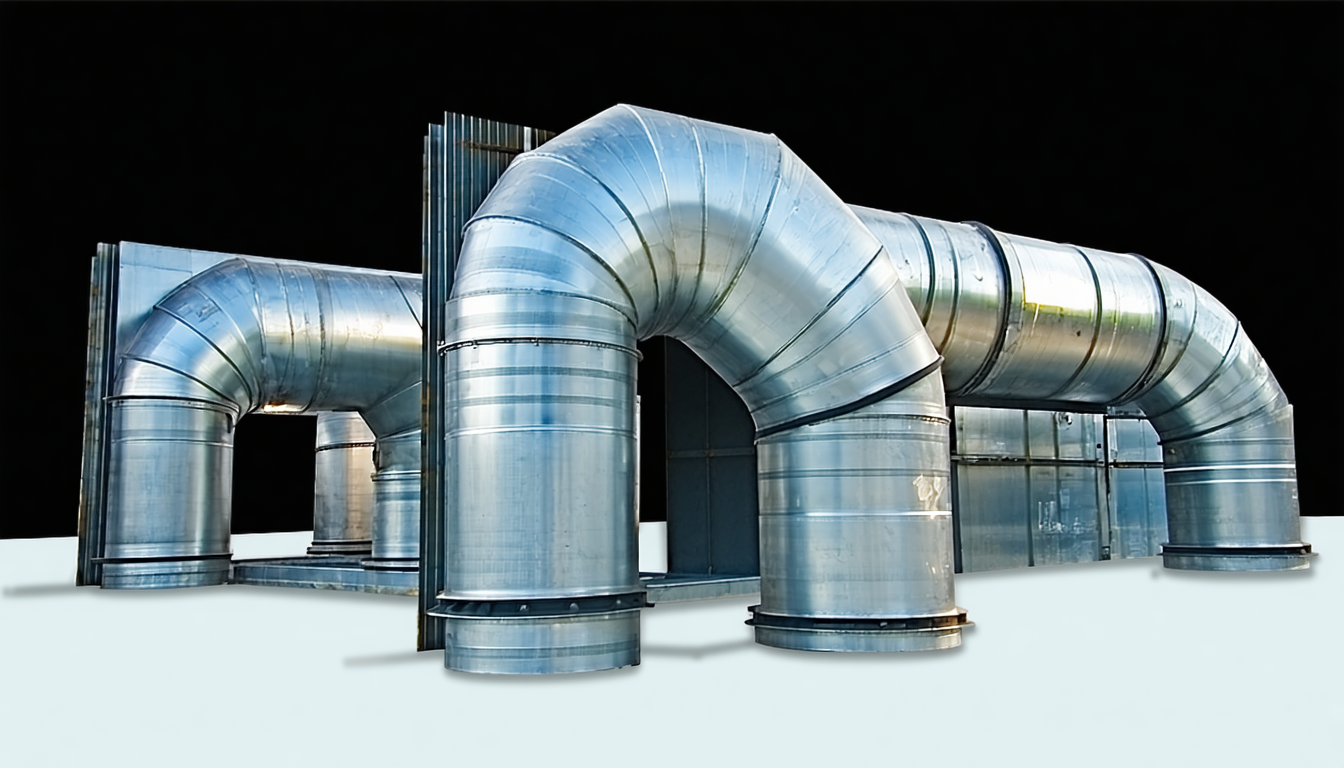
NFPA 660 Section 7.5.3.1 requires metallic ductwork for all combustible dust transport applications. This prohibition eliminates PVC and other non-metallic materials from dust collection systems handling combustible materials.
| Characteristic | NFPA 660 Requirement | PVC Limitation |
|---|---|---|
| Static Dissipation | Must provide grounding path | Cannot conduct electricity |
| Fire Resistance | Metallic construction only | Combustible plastic material |
| Structural Integrity | Withstand explosion pressures | Limited pressure rating |
| Maintenance Access | Permanent installation | Degrades under UV/heat |
Static electricity accumulation in PVC systems creates direct ignition hazards. Dust particles generate charge through contact with PVC surfaces. The charge cannot dissipate through the insulating material. High static levels reach minimum ignition energy for combustible dust clouds.
Fire spread concerns add to the PVC prohibition. Plastic ductwork burns and propagates fire through the dust collection system. Metal ductwork contains fires and prevents rapid spread through connected equipment.
Explosion pressure resistance favors metal construction. PVC systems fail at lower pressures than required for dust explosion survival. NFPA 68 explosion venting calculations assume metallic ductwork construction.
Acceptable alternatives include galvanized steel, stainless steel, and aluminum ductwork. Each material provides electrical conductivity for proper grounding and bonding. Material selection depends on dust characteristics and corrosion resistance requirements for your specific application.
Frequently Asked Questions
Can you use anti-static PVC ductwork for combustible dust collection?
Anti-static PVC still cannot be grounded because it remains an insulator, it only dissipates some surface charge. NFPA 660 requires metallic ductwork regardless of PVC type or treatment. Anti-static additives reduce but do not eliminate static accumulation problems.
How often do you need to test dust collection system grounding?
Test bonding connections annually or after any system modifications. Use a low-resistance ohmmeter to verify less than 1-ohm resistance between all metal components and ground. Document all test results and maintain records for inspection purposes.
What happens if dust collection system grounding fails?
Failed grounding allows static charge accumulation that can reach ignition energy levels for combustible dust. This creates direct ignition risk during normal dust transport operations. Proper grounding prevents static buildup from reaching dangerous levels that could ignite dust clouds.