Explosion isolation valve dust collector systems face a brutal timing challenge. Explosion venting protects your dust collector, but deflagration flames travel at 300+ meters per second through ductwork, faster than any mechanical valve can close.
Key Takeaways:
- Deflagration propagates through ductwork in under 100 milliseconds, requiring isolation response times of 20-50ms
- Fast-acting butterfly valves handle 80% of dust collector applications with 6-48 inch duct diameters
- Chemical isolation systems cost 3-5x more than mechanical valves but respond in 5-15 milliseconds
What Is an Explosion Isolation Valve and Why Do Dust Collectors Need Them?
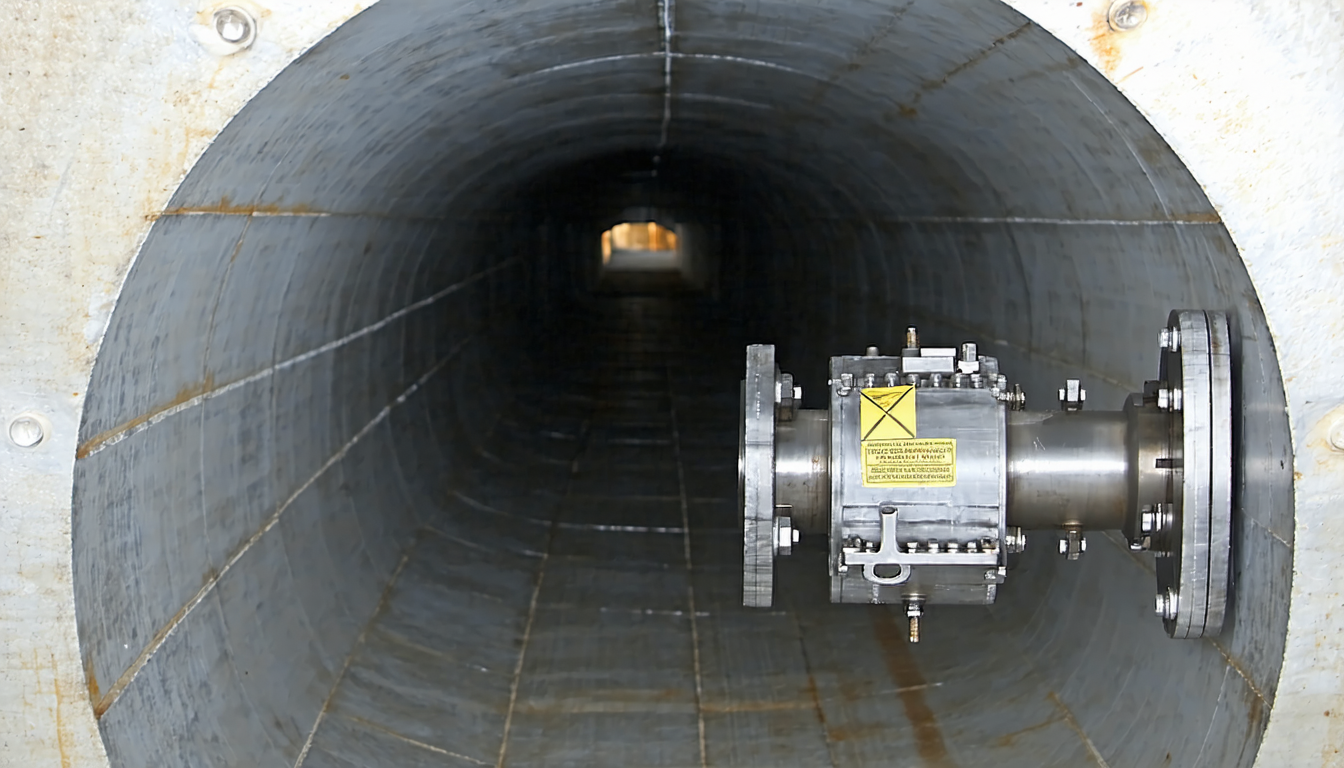
Explosion isolation valves are mechanical or chemical barriers that prevent deflagration propagation through ductwork. This means they stop flame fronts from traveling from an initial explosion site to connected equipment, preventing cascading explosions throughout your dust collection system.
The physics create an impossible timing problem. Deflagration flame fronts travel at 300+ meters per second in ductwork. A typical dust collector explosion reaches peak pressure in 50-100 milliseconds. During that time, flames race through connected ducts toward upstream equipment, your process machinery, hoppers, and material handling systems.
Without isolation, your dust explosion protection becomes a single point of failure. Your dust collector might have proper explosion vent panels, but those vents protect only the collector vessel itself. The flame front continues propagating through ductwork at supersonic speeds, potentially reaching combustible material sources or creating secondary explosions in connected equipment.
NFPA 660 Section 7.1.4 requires isolation protection when explosion venting alone cannot prevent flame propagation to interconnected equipment. The standard recognizes that venting protects the vented enclosure but does not stop propagation through connecting ducts or pipes.
Why Explosion Venting Alone Fails Without Isolation Protection

Explosion vent panels release pressure but allow propagation through connected pathways. The vent panels activate in 5-20 milliseconds when internal pressure reaches their rupture threshold, typically 0.5-2.0 psig. But opening a vent does not create a barrier to flame propagation.
The flame front continues moving through any connected ductwork at speeds that make mechanical response impossible. By the time your dust collector’s vent panels fully open, deflagration has already traveled 15-60 meters through your duct system, depending on the duct configuration and combustible dust properties.
Downstream equipment becomes vulnerable targets. Process equipment, silos, conveyors, and material handling systems connected to your dust collector through ductwork face the full force of propagating deflagration. These components rarely have their own explosion protection systems, making them catastrophic failure points.
NFPA 68 Section 4.4.3 specifically addresses this propagation risk, requiring isolation devices when venting cannot prevent flame travel to connected equipment. Suppression systems face the same limitation, they can extinguish flames in the protected enclosure but cannot prevent propagation that occurs before suppression activation.
Types of Explosion Isolation Devices: Mechanical vs Chemical Systems
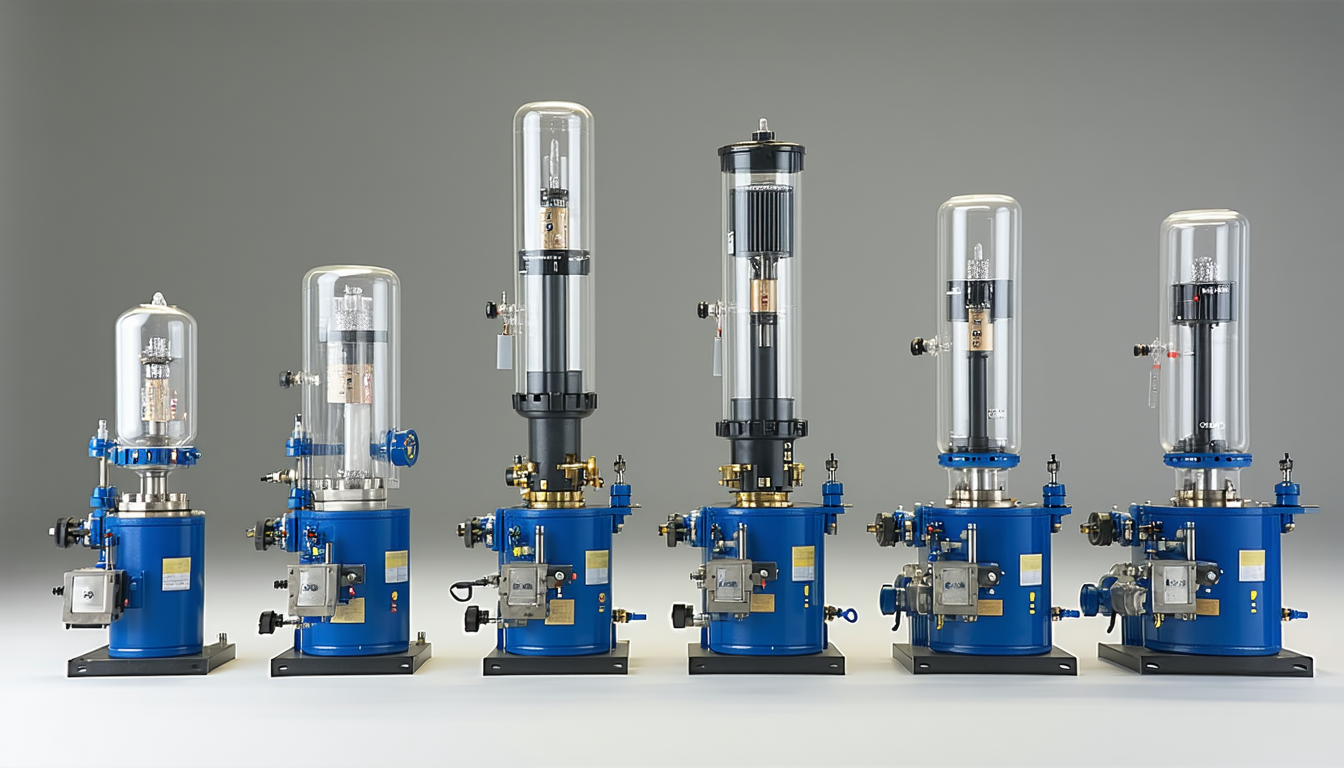
Isolation valve types differ by response time and application requirements. The market offers four main categories, each with specific performance characteristics and cost profiles.
| Type | Response Time | Duct Size Range | Cost Range | Maintenance |
|---|---|---|---|---|
| Fast-Acting Butterfly | 20-50ms | 6-48 inches | $8,000-$25,000 | Quarterly testing |
| Chemical Suppression | 5-15ms | 4-36 inches | $25,000-$75,000 | Annual agent replacement |
| Slide Gate Damper | 50-100ms | 8-60 inches | $5,000-$18,000 | Semi-annual inspection |
| Rotary Airlock Valve | 100-200ms | 6-24 inches | $3,000-$12,000 | Monthly lubrication |
Fast-acting butterfly valves dominate industrial applications because they balance response speed with reasonable costs. These valves use compressed air or spring-loaded mechanisms to slam shut when triggered by explosion detection systems. Response times of 20-50 milliseconds work for most combustible dusts with Kst values below 200 bar-m/s.
Chemical suppression barriers inject suppression agents directly into ductwork to create flame barriers. These systems respond in 5-15 milliseconds but cost 3-5 times more than mechanical valves. They work better with high Kst dusts where even 20-millisecond mechanical response may be too slow.
Slide gate dampers offer larger diameter coverage but slower response times. The 50-100 millisecond activation window limits their use to lower reactivity dusts or applications where longer ductwork runs provide more travel time before flame arrival.
Fast-Acting Butterfly Valves vs Chemical Isolation: Which Should You Choose?
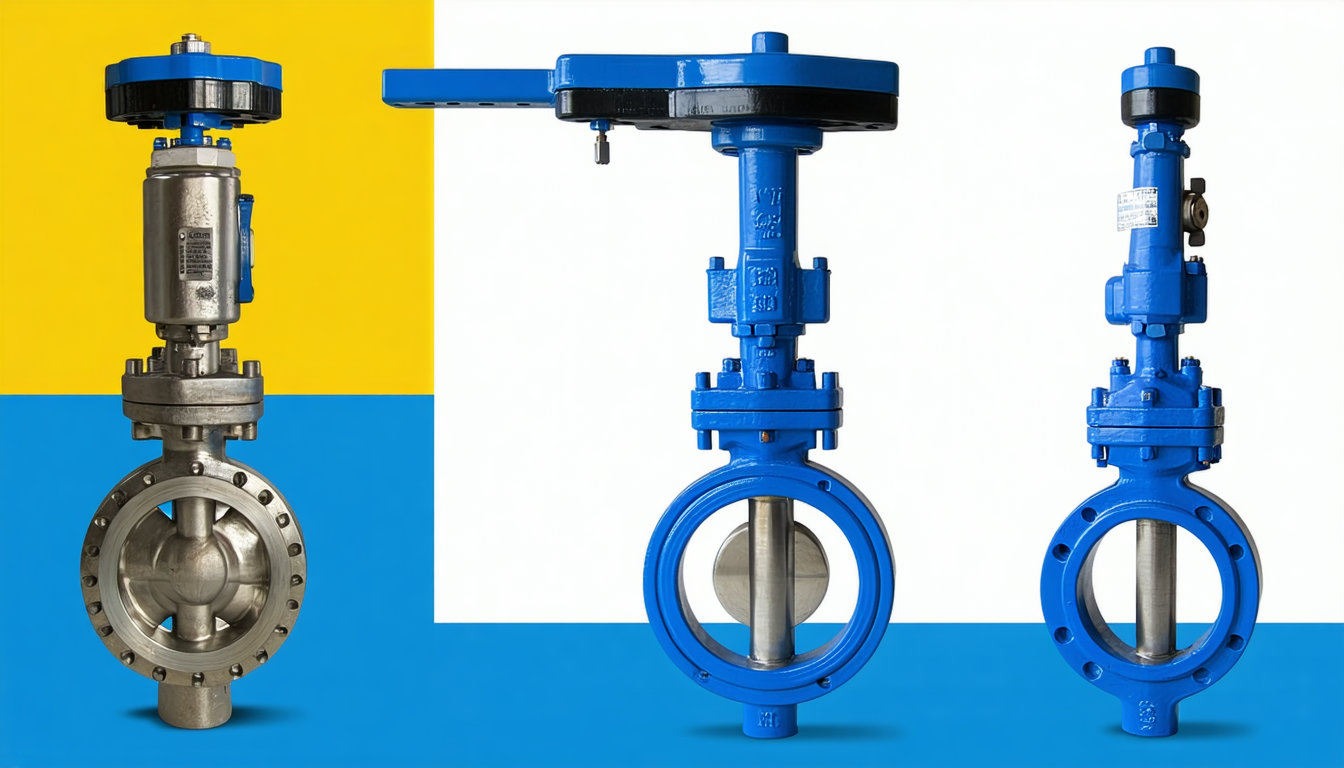
Butterfly valves cost less than chemical systems but each has specific application sweet spots. Your dust type, duct configuration, and budget determine the optimal choice.
| Factor | Fast-Acting Butterfly | Chemical Suppression |
|---|---|---|
| Response Time | 20-50ms | 5-15ms |
| Suitable Kst Range | <200 bar-m/s | All Kst values |
| Initial Cost | $8,000-$25,000 | $25,000-$75,000 |
| Annual Maintenance | $800-$1,500 | $3,000-$6,000 |
| Duct Size Limit | 6-48 inches | 4-36 inches |
| Reliability Rating | 95-98% | 98-99% |
Fast-acting butterfly valves handle 80% of dust collector applications effectively. They work well with wood dust, metal powders, food products, and pharmaceutical powders that have moderate reactivity. The 20-50 millisecond response window provides adequate protection when combined with proper ductwork design that maximizes travel distance.
Chemical isolation systems excel with highly reactive dusts like aluminum powder, magnesium, or fine organic chemicals with Kst values above 200 bar-m/s. The 5-15 millisecond response time becomes critical when dealing with these fast-burning materials that can propagate through ductwork in under 50 milliseconds.
Maintenance patterns favor butterfly valves for most facilities. Chemical systems require annual suppression agent replacement and detector calibration every six months. Butterfly valves need quarterly function testing and annual seal replacement, typically costing 60-70% less in ongoing maintenance.
How to Size and Select Isolation Valves for Your Duct System

Duct diameter determines valve sizing requirements, but several factors influence your final selection. Follow this step-by-step process to specify the right isolation valve for your application.
Measure your duct diameter and calculate cross-sectional area. Standard isolation valves come in 6, 8, 10, 12, 16, 20, 24, 30, 36, 42, and 48-inch diameters. Round up to the next available size if your ductwork falls between standard sizes.
Determine your dust’s Kst classification from combustible dust testing results. Dusts with Kst values below 200 bar-m/s work with butterfly valves. Higher Kst values may require chemical isolation systems for adequate response speed.
Calculate air velocity in your ductwork during normal operation. Velocities above 4,000 feet per minute create higher pressure drops across closed isolation valves, affecting your fan sizing and energy costs.
Measure available straight duct run before the isolation valve location. Butterfly valves need 10-12 duct diameters of straight run upstream and 5-6 diameters downstream for proper airflow patterns and mounting hardware.
Specify activation method and detection system integration. Most valves connect to pressure or optical flame detectors mounted in the dust collector. The detection system must trigger valve closure within 5-10 milliseconds of detecting explosion indicators.
Factor installation constraints and maintenance access. Isolation valves require electrical connections, compressed air supply for pneumatic actuators, and periodic access for testing and seal replacement.
Actually, one thing I should mention about sizing, don’t assume bigger is better. Oversized valves close more slowly due to increased air mass, potentially negating the response time advantage. Match valve diameter to your duct size within one size increment.
Frequently Asked Questions
Can I retrofit isolation valves to an existing dust collection system?
Most dust collectors can be retrofitted with isolation valves if you have 10-12 duct diameters of straight run before any bends. The valve requires specific mounting hardware and electrical connections to your explosion detection system. You’ll also need to verify that your existing fan can handle the additional pressure drop.
How do isolation valves integrate with explosion detection systems?
Isolation valves receive activation signals from pressure or optical flame detectors mounted in the dust collector. The detection system must trigger valve closure within 5-10 milliseconds of detecting pressure rise or flame presence. Most systems use redundant detection with two independent sensors to prevent false activations.
What maintenance do explosion isolation valves require?
Butterfly valves need quarterly function testing and annual seal replacement. Chemical isolation systems require annual suppression agent replacement and detector calibration every six months. Both systems need monthly visual inspections and annual electrical connection testing to maintain reliability ratings above 95%.