Dust explosion protection systems fail to prevent half of all combustible dust incidents, explosions that happen inside the very equipment facilities install thinking it makes them safer. The problem isn’t the technology. It’s choosing the wrong protection method for your specific situation.
Key Takeaways:
- Explosion venting costs $2,000-15,000 per unit but only protects the vented vessel, not connected equipment
- Suppression systems detect and suppress explosions in 150-500 milliseconds but require $25,000-75,000 per protected zone
- Isolation valves prevent explosion propagation through ducting and cost $8,000-25,000 per connection point
What Are the Three Types of Dust Explosion Protection?
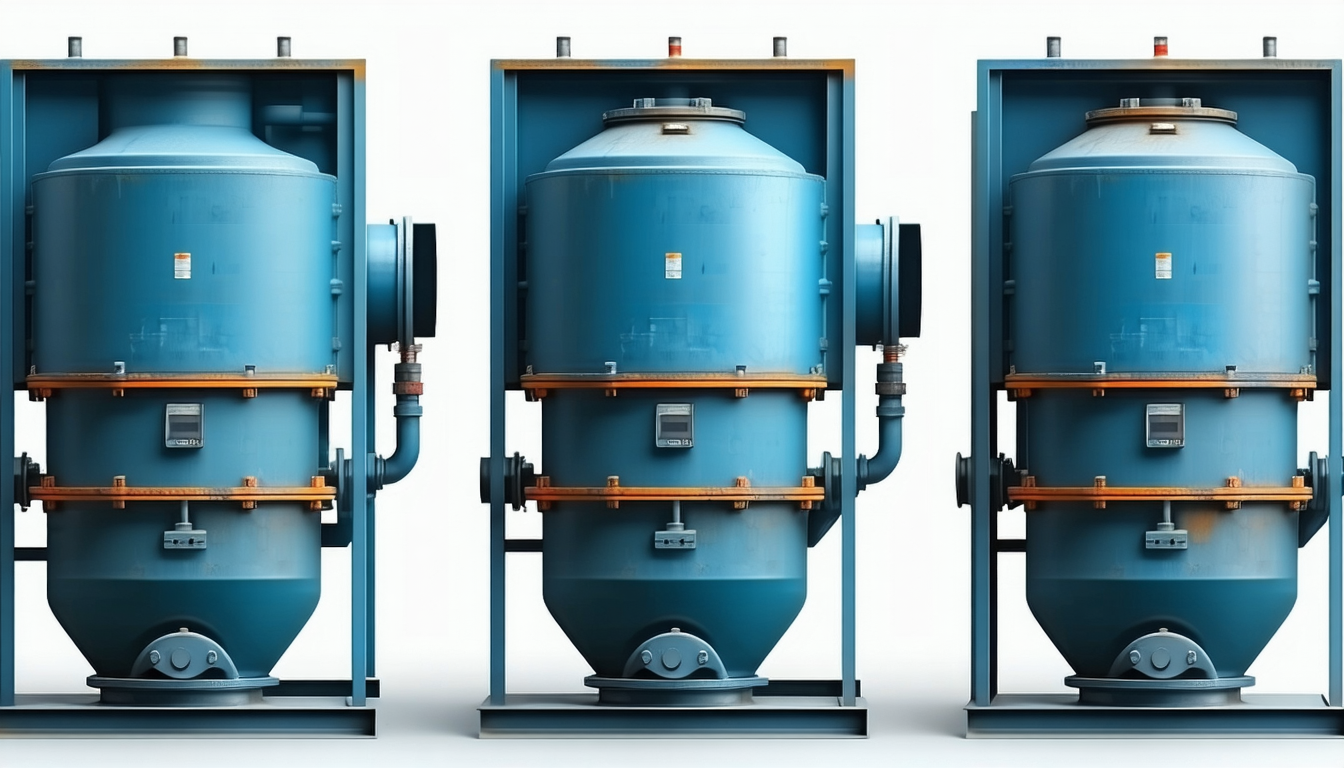
Explosion protection systems prevent or mitigate dust deflagrations through three distinct approaches: venting, suppression, and isolation. Each method targets a different phase of the explosion sequence.
Explosion vent panels are passive devices that relieve pressure during a deflagration event. This means they activate automatically when pressure rises but only protect the specific vessel they’re mounted on. Venting works by allowing hot gases and flames to escape through predetermined weak points, preventing catastrophic vessel rupture.
Suppression systems detect explosions in their early stages and inject suppressant to extinguish the reaction before peak pressure develops. This means they actively intervene in the combustion process rather than just managing the pressure. Suppression protects the vessel contents and can prevent propagation when properly integrated with detection networks.
Isolation valves prevent explosion propagation through interconnected equipment by cutting off the path flames and pressure waves travel. This means they stop explosions from spreading from one piece of equipment to another through ductwork or process piping.
NFPA 68 and NFPA 69 define the requirements for all three protection types. The choice between them depends on your facility layout, dust characteristics, and budget constraints. Most industrial facilities need multiple protection methods working together.
How Does Explosion Venting Work and When Is It Required?
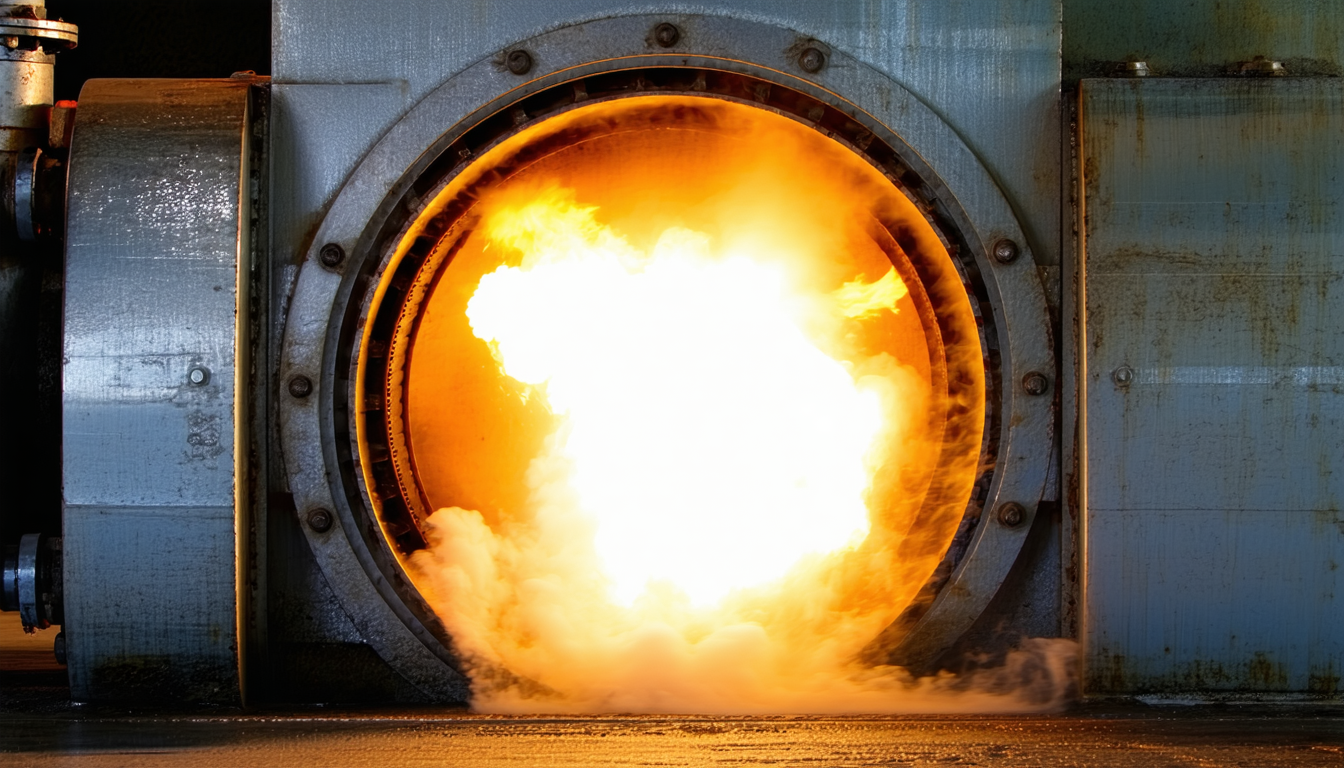
Explosion vent panels relieve pressure during deflagration events by opening at predetermined pressure levels and allowing hot gases to escape. The panels typically contain a burst disk or hinged cover that fails or opens when internal pressure reaches 0.5-2.0 psig above normal operating pressure.
NFPA 68 requires specific vent area calculations based on your dust’s Kst value and the volume of the protected vessel. Higher Kst values demand larger vent areas because the deflagration develops more rapidly. The standard provides detailed sizing tables, but most installations require professional calculation to account for vent efficiency and discharge effects.
Indoor venting creates additional complications because you cannot discharge flames and hot gases into occupied areas. NFPA 660 requires flameless venting systems or ductwork to route discharge outside when venting indoors. This routing adds cost and complexity but may be the only viable option for dust collectors located inside buildings.
The critical limitation of venting is that it only protects the vented vessel. If your dust collector connects to other equipment through ductwork, the explosion can propagate through those connections even after the primary vessel vents successfully. This is why interconnected systems often require isolation valves in addition to venting.
Venting works best for standalone equipment with outdoor installation or when combined with isolation systems for interconnected equipment. It’s the most economical protection method but provides the most limited scope of protection.
Explosion Suppression vs Venting: Detection Speed and Cost Analysis
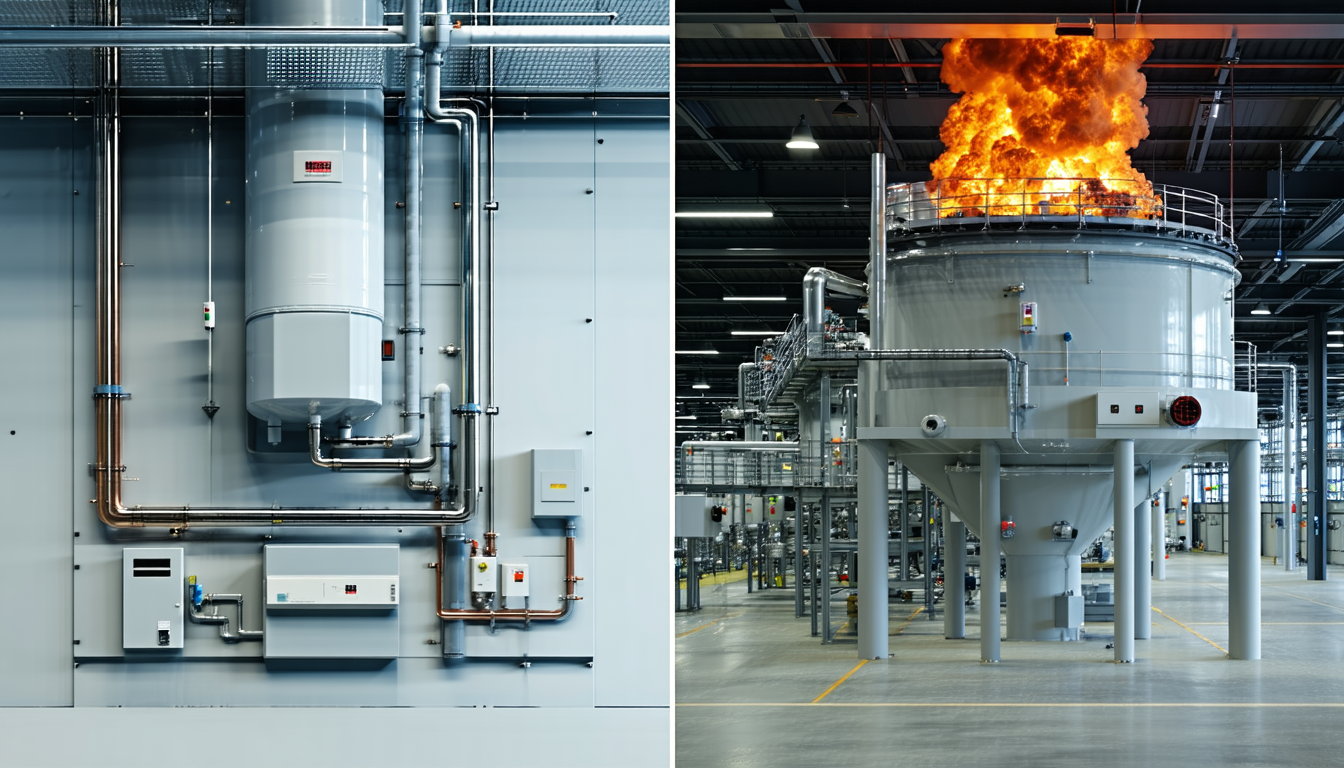
| Feature | Suppression System | Explosion Venting |
|---|---|---|
| Response Time | 150-500 milliseconds | 5-50 milliseconds |
| Detection Method | Pressure, optical, thermal sensors | Passive pressure activation |
| Initial Cost | $25,000-75,000 per zone | $2,000-15,000 per unit |
| Protection Scope | Vessel and contents | Vessel structure only |
| Maintenance | Quarterly sensor testing required | Annual panel inspection |
| Indoor Use | Full compatibility | Requires flame routing |
Suppression systems detect and extinguish explosions before peak pressure develops by monitoring for the early signs of deflagration. Pressure detectors sense the initial pressure rise, optical sensors detect the flame front, and thermal detectors respond to temperature spikes. When any sensor triggers, the system discharges suppressant (typically sodium bicarbonate) in 150-500 milliseconds.
The speed advantage goes to venting because it’s purely passive, no detection delay, no discharge time. Vent panels begin opening within 5-50 milliseconds of pressure rise. But this speed advantage doesn’t translate to better protection because venting allows the explosion to develop fully before relieving pressure.
Suppression systems cost significantly more upfront but protect the vessel contents, not just the structure. A suppressed explosion typically causes minimal internal damage compared to a vented explosion, which can destroy internal components even when the vessel remains intact.
The detection network in suppression systems also enables integration with isolation valves and other protection devices. This creates a coordinated response that can prevent propagation to connected equipment. Venting provides no such integration capability.
Choose suppression when protecting valuable equipment contents, when indoor installation prevents effective venting, or when you need coordinated protection across multiple connected vessels.
How Do Isolation Valves Prevent Explosion Propagation?

Isolation valves prevent explosion propagation through interconnected equipment by cutting off the path that flames and pressure waves follow through ductwork and process piping. This protection becomes critical when dust collectors connect to multiple process machines or when several pieces of equipment share common ductwork.
The valves install at connection points between equipment and must close within 20-40 milliseconds of receiving a detection signal. Three main types handle different applications: rotary valves for round ductwork, butterfly valves for rectangular ducts, and flap valves for vertical or gravity-fed connections.
Activation methods include pneumatic, pyrotechnic, and spring-loaded mechanisms. Pneumatic valves use compressed air for closing force but require backup power. Pyrotechnic valves use explosive charges for instant closure but need replacement after activation. Spring-loaded valves store mechanical energy but may lack sufficient force for large ducts.
Installation requires specific distances from equipment to allow proper closure before flames reach the valve. NFPA standards specify minimum separation distances based on duct diameter and expected flame speeds. Bypass dampers may be needed to maintain airflow when isolation valves close during normal operations.
The cost of $8,000-25,000 per connection point includes the valve, activation system, detection integration, and installation. This investment becomes essential when explosion propagation could affect multiple expensive machines or create personnel hazards in connected work areas.
Which Protection Method Should You Choose for Your Dust Collector?
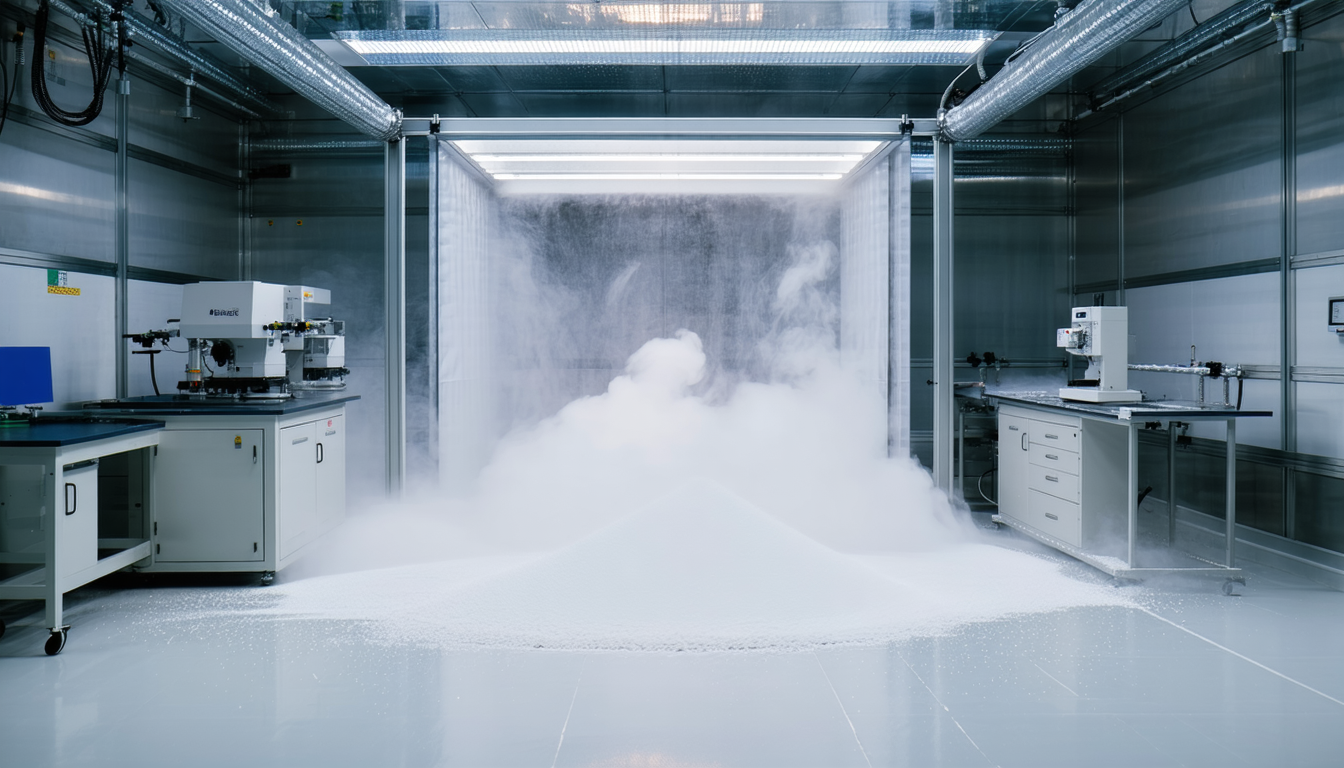
Test your dust to determine Kst classification and explosion severity. St-3 dusts typically require suppression due to higher explosion pressures that overwhelm standard venting systems. St-1 and St-2 dusts may work with venting if other factors align.
Evaluate your building constraints and installation location. Indoor dust collectors cannot use standard venting without flame routing systems, making suppression more practical. Outdoor installations favor venting due to lower cost and simpler maintenance.
Map all interconnected equipment and identify propagation paths. Any dust collector connected to other machines through ductwork needs isolation valves regardless of the primary protection method. Single-point collections with no connections can rely on venting alone.
Calculate protection costs against equipment value and business interruption risk. Venting may destroy internal components even when preventing catastrophic failure. Suppression preserves equipment but costs 3-5 times more upfront.
Consider maintenance capabilities and regulatory requirements. Suppression systems need quarterly testing and trained maintenance staff. Venting requires less frequent inspection but may face restrictions from local fire authorities.
Design for layered protection when dust characteristics or facility layout create multiple risks. Most industrial facilities end up with venting on primary vessels, isolation valves at connection points, and suppression in high-value or high-risk areas.
The budget allocation framework starts with $2,000-15,000 per dust collector for basic venting, adds $8,000-25,000 per connection point for isolation, and reserves $25,000-75,000 per zone for suppression where venting won’t work. Total protection costs typically run 15-25% of the protected equipment value.
What Does NFPA 660 Require for Explosion Protection Systems?
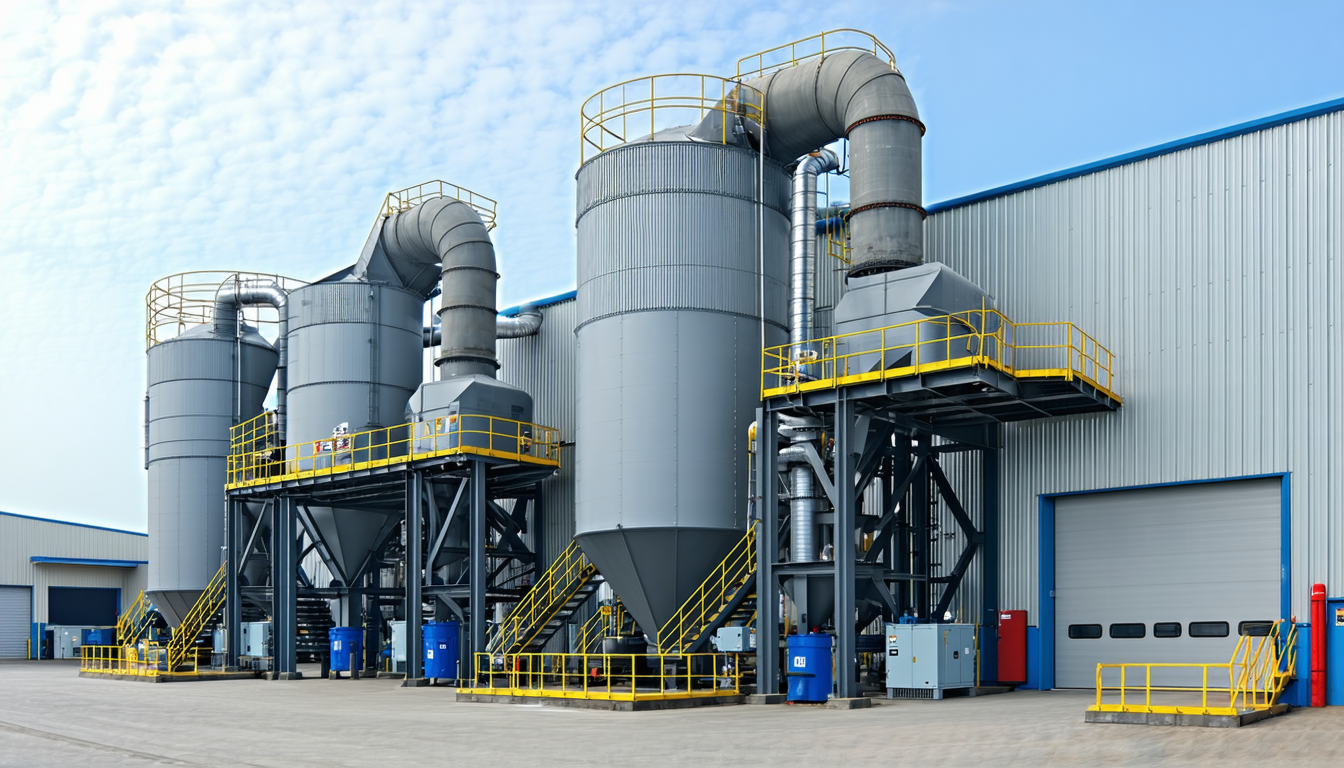
NFPA 660 mandates protection for equipment handling combustible dust when specific conditions exist. The standard requires protection for all dust-handling equipment when your facility processes St-1 through St-3 classified dusts above minimum quantities. Equipment includes dust collectors, cyclones, baghouses, and any vessel where dust accumulates during normal operation.
Protection becomes mandatory when dust testing confirms combustibility and your equipment exceeds minimum volume thresholds. Small equipment under 1 cubic meter may qualify for exemptions, but most industrial dust collectors trigger protection requirements.
Acceptable protection methods include any system meeting NFPA 68 (venting) or NFPA 69 (suppression) standards. The standard doesn’t mandate specific protection types but requires compliance with the applicable NFPA design standard for your chosen method.
Installation must follow manufacturer specifications and NFPA spacing requirements. Isolation valves need minimum distances from protected equipment, vent panels require clear discharge areas, and suppression systems need proper detector placement for reliable activation.
Maintenance documentation must include inspection schedules, test results, and repair records. Annual inspections are minimum for all systems, with more frequent testing required for active components like suppression sensors and isolation valve actuators.
System modifications require engineering review and potential retesting. Changes to protected equipment, ductwork routing, or process conditions may invalidate existing protection designs and trigger reassessment requirements.
NFPA 660 Section 7.3 specifically requires protection for equipment handling St-1 through St-3 dusts, with the protection method selection left to the facility based on their specific conditions and constraints. The standard emphasizes that protection must address the complete system, not just individual components.
Frequently Asked Questions
Can you use multiple explosion protection methods on the same equipment?
Yes, layered protection combining multiple methods is common and often required. For example, a dust collector might have explosion venting plus isolation valves to prevent propagation to connected equipment. NFPA standards allow and sometimes mandate multiple protection strategies.
Do explosion protection systems require regular maintenance and inspection?
All three protection types require scheduled maintenance and testing. Vent panels need annual inspection for damage or obstruction, suppression systems require quarterly detector testing, and isolation valves need monthly operational checks. Documentation of all maintenance is mandatory under NFPA 660.
How do you know if your dust collector needs explosion protection?
If your facility handles combustible dust (confirmed through testing) and operates dust collection equipment, NFPA 660 likely requires protection. The specific protection method depends on your dust’s Kst classification, equipment size, and building layout constraints.