Metal dust explosion incidents double when facilities use wood dust equipment on metalworking operations. Most combustible dust hazards stem from applying organic dust standards to metals that burn hotter and faster.
Key Takeaways:
- Aluminum dust produces Kst values 3-5 times higher than wood dust, requiring specialized explosion protection systems that most organic dust collectors lack
- Mixed aluminum and iron oxide dust creates thermite reactions that reach 2,500°F, hot enough to melt through standard collector housing
- Spark detection systems become mandatory for grinding operations because metal-on-metal contact generates ignition sources that organic dust rarely encounters
Why Metal Dust Collectors Fail When You Use Wood Dust Equipment
Metal dust collection systems are equipment designed to handle metal particles with explosive potential that exceeds organic materials. This means standard wood dust collectors lack the pressure ratings and construction materials to survive aluminum or magnesium dust deflagrations.
Aluminum dust Kst values range from 200-400 bar-m/s compared to wood dust at 50-150 bar-m/s. Your wood dust collector rated for 1-2 bar explosion pressure will rupture when aluminum dust detonates at 8-12 bar. The housing thickness, vent sizing, and structural reinforcement that works for sawdust becomes inadequate when machining aluminum components.
NFPA 660 separates metal dust requirements because mixing materials creates thermite risk. Aluminum dust mixed with iron oxide generates temperatures of 2,500°F within seconds, hot enough to melt through standard collector housing and ignite secondary fires in adjacent areas. The combustible dust standard requires separate collection systems specifically to prevent this thermite reaction.
Construction differences between metal and wood dust collectors include thicker gauge steel housing, larger explosion venting areas, and electrical components rated for higher explosion groups. Most facilities discover these gaps during insurance inspections or after small collector fires reveal inadequate protection systems.
What Equipment Ratings Do Metal Dust Collectors Actually Need?
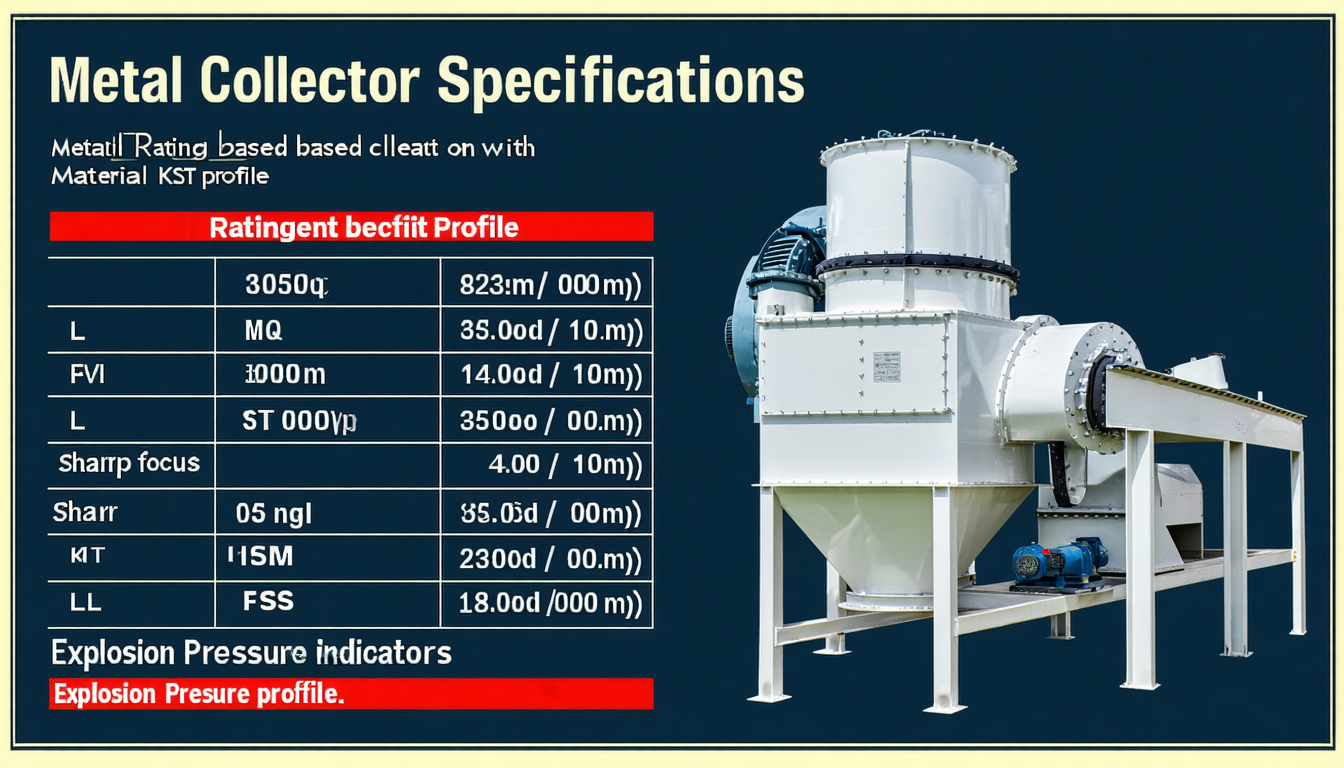
Equipment rating requirements determine metal dust collector specifications based on the material Kst profile and vertical compliance requirement from NFPA 660’s industry-specific chapter.
| Feature | Metal Dust Requirement |
|---|---|
| Explosion Pressure Rating | 10+ bar (St-2/St-3 metals) |
| Electrical Classification | Class II Division 1 Group E/F |
| Housing Construction | 12-gauge minimum steel thickness |
| Vent Area Ratio | 0.1-0.3 m²/m³ collector volume |
| Temperature Rating | 400°F continuous operation |
| Grounding/Bonding | <10 ohm resistance all components |
St-2 and St-3 classified metals require collectors rated for 10+ bar explosion pressure. Standard organic dust collectors typically handle 1-2 bar maximum. The pressure vessel certification becomes mandatory when your material Kst exceeds 200 bar-m/s.
Electrical components must meet Class II Division 1 Group E (metal dust) or Group F (coal dust) ratings. Wood dust collectors use Group G ratings that provide insufficient protection against metal dust ignition temperatures. The junction boxes, motors, and control panels require different explosion-proof enclosures.
Thermite-resistant construction means 12-gauge steel minimum housing thickness with reinforced seam welding. Aluminum and iron oxide mixtures burn through standard collector walls within minutes. The ductwork connections need similar reinforcement to prevent catastrophic failure during deflagration events.
Can You Mix Metal Dust With Wood Dust in One Collection System?
Mixed metal and organic dust creates thermite reaction hazards that NFPA 660 prohibits through mandatory separation requirements.
Evaluate dust compatibility before connecting any metal-generating equipment to existing organic dust systems. Aluminum particles mixed with iron oxide from steel machining create thermite reactions at 2,500°F.
Install separate collection systems for each dust type to prevent cross-contamination. The ductwork cannot share common trunk lines or discharge into shared hoppers.
Design facility layout with physical separation between metal and organic dust collection points. Most insurance inspectors require minimum 20-foot separation between system discharge points.
Document separation compliance in your written combustible dust program. OSHA inspectors check for mixed dust evidence during NEP enforcement visits.
Train operators on which equipment connects to each collection system. Portable pickup connections require clear labeling to prevent accidental cross-connection.
Thermite reactions from mixed aluminum and iron oxide reach temperatures of 2,500°F within seconds. Standard fire suppression systems cannot control thermite burns because the reaction generates its own oxygen. The only effective control is preventing the mixture through separate collection systems.
Shared ductwork fails because metal particles settle at different rates than organic dust. The heavier metal accumulation creates stratified layers that increase thermite reaction potential during normal system operation.
Why Do Metal Dust Collection Systems Catch Fire More Often?
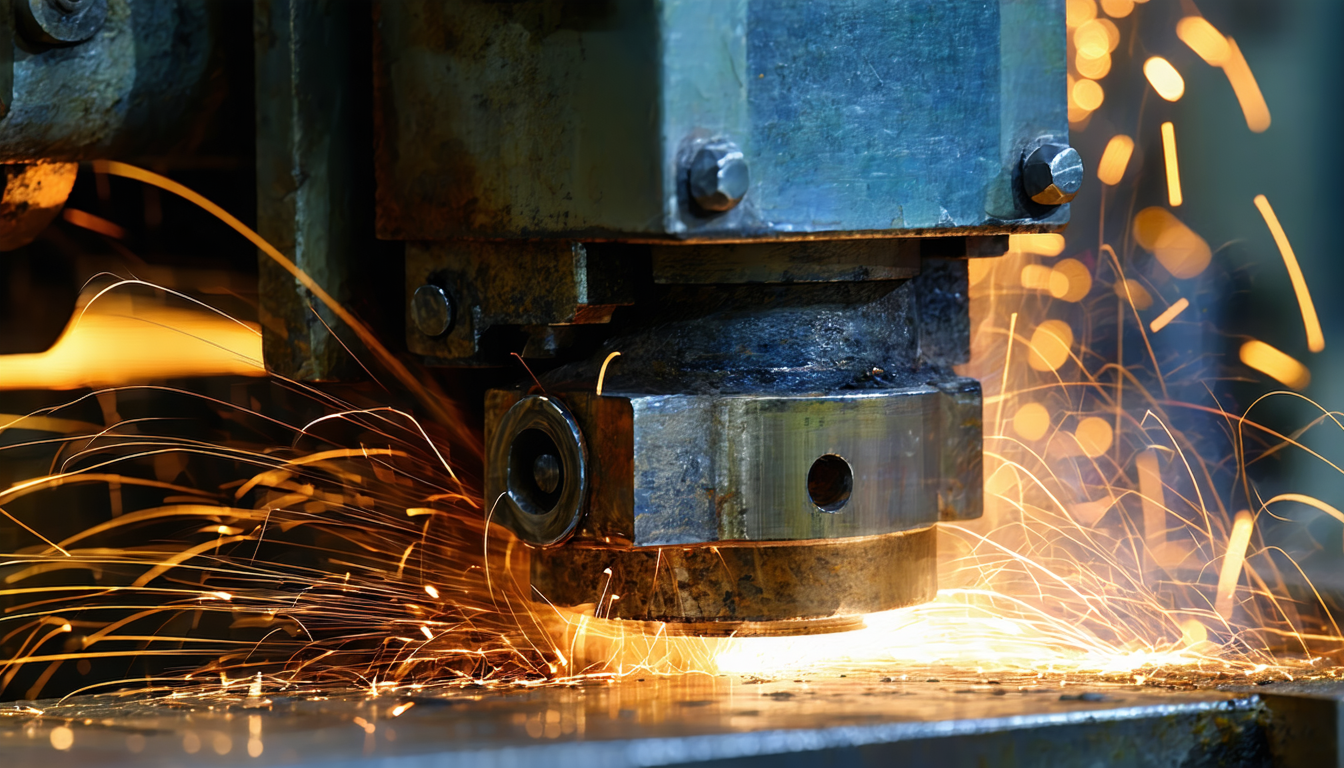
Grinding operations generate ignition sources requiring detection systems that standard organic dust protection cannot address.
Grinding wheel sparks reach 1,800-3,000°F during normal machining operations, above the ignition temperature of most metal dusts at 500-600°F. The continuous spark generation requires active detection and suppression systems.
Static electricity buildup from metal particle transport through ductwork creates discharge potentials exceeding 1,000 volts. Organic dust systems use lower-grade grounding that proves inadequate for metal dust static dissipation.
Hot work proximity to collection points introduces cutting torch and welding ignition sources that organic woodworking rarely encounters. The 15-foot hot work separation distances from NFPA 660 become critical in metalworking environments.
Abrasive wheel breakage sends high-velocity fragments through ductwork that can rupture standard organic dust collector housings. Metal systems require impact-resistant construction and debris screening.
Metal grinding operations generate sparks at 1,800-3,000°F, above the ignition temperature of most metal dusts. Spark detection systems become mandatory because organic dust rarely encounters continuous ignition sources during normal production. The detection sensors must trigger within 50 milliseconds to activate suppression before spark transport to the collector.
Standard dust collection grounding that works for wood particles fails with metal dust because of higher static generation rates and different particle conductivity. Most metal dust fires start from inadequate static dissipation in transport ductwork.
When Do You Need Wet Dust Collection for Reactive Metals?
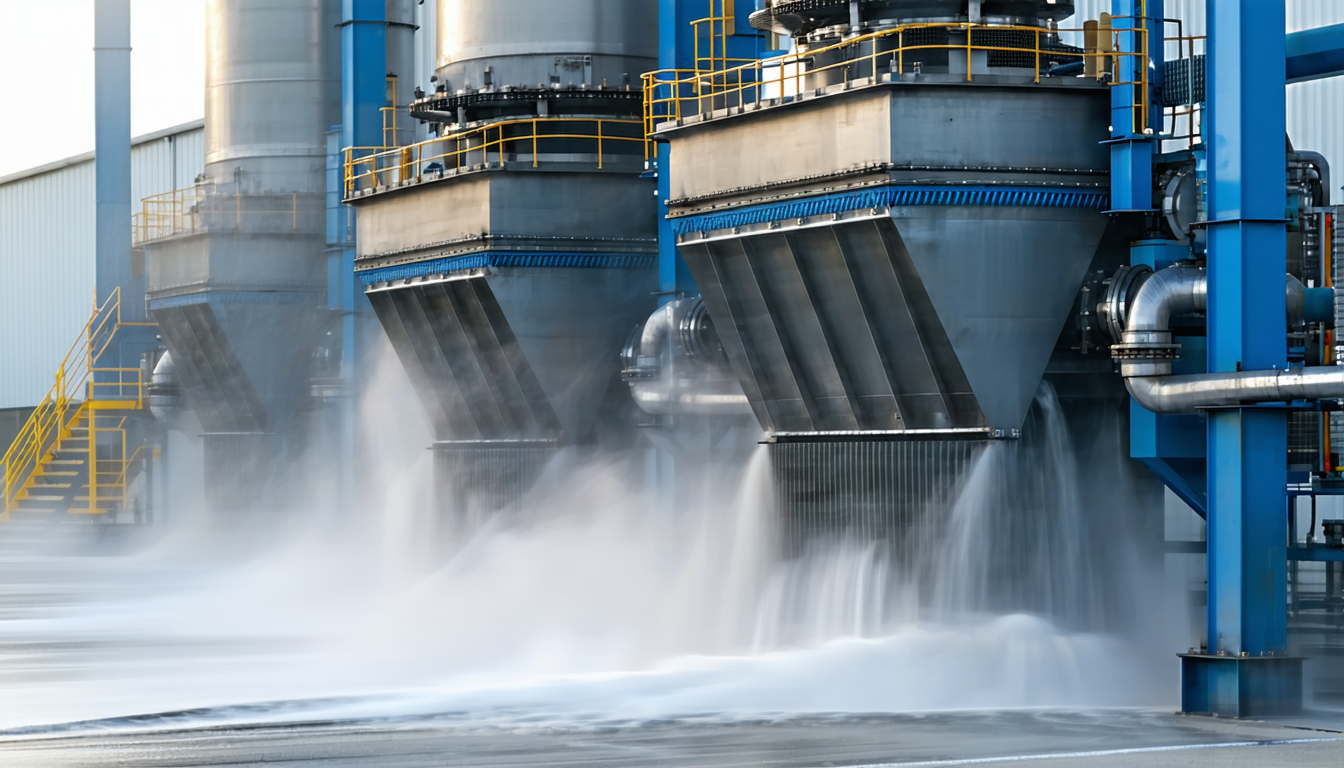
Reactive metals require wet collector applications when the material Kst profile indicates combustion in multiple atmospheres or extremely low ignition temperatures.
Magnesium dust ignites at 520°F and burns underwater, requiring specialized suppression media instead of standard water spray systems. The wet collection uses oil-based coolant flooding to prevent ignition during transport and storage. Dry collection with explosion protection cannot safely handle magnesium because the metal continues burning even after vent activation.
Titanium operations mandate wet collection because titanium dust ignites at just 330°F and burns in both air and nitrogen atmospheres. The low ignition temperature means normal facility heating can trigger combustion without any external ignition source. Water spray suppression systems become mandatory equipment rather than optional protection.
Wet collector maintenance requirements include daily coolant testing for contamination, weekly filter cleaning to prevent clogging, and monthly system flushing to remove metal accumulation. The maintenance intensity exceeds dry systems but provides the only viable protection for reactive metals.
Zirconium and hafnium dusts require specialized wet collection with inert gas blanketing because these metals ignite spontaneously in air at room temperature. Standard wet collection proves inadequate, you need engineered systems with controlled atmosphere chambers.
Frequently Asked Questions
Do stainless steel machining operations create combustible dust?
Stainless steel machining creates combustible dust when particle size drops below 420 microns. The chromium and nickel content increases explosion severity compared to carbon steel dust. Most CNC operations with coolant flood systems prevent dust formation, but dry machining operations require dust collection.
Can you use the same explosion venting on metal dust collectors as wood dust systems?
No, metal dust requires larger vent areas because of higher Kst values and explosion pressures. Aluminum dust typically needs 30-50% more vent area than wood dust for the same collector volume. The vent panels must also withstand higher temperatures from potential thermite reactions.
What makes titanium dust collection different from other metals?
Titanium dust requires wet collection systems because it ignites at just 330°F and burns in both air and nitrogen atmospheres. Standard dry dust collection with explosion protection cannot safely handle titanium, the metal will continue burning even after vent activation. Water spray suppression systems are mandatory.