
Every combustible dust hazard varies by industry according to NFPA 660’s sector-specific chapters. What applies to your woodworking facility differs from grain processing plant requirements. Manufacturing operations face wildly different compliance paths despite handling the same basic dust types.
Key Takeaways:
- NFPA 660 contains 5 distinct industry chapters with unique equipment and threshold requirements, Chapter 21 (food/ag), Chapter 22 (metals), Chapter 24 (wood), Chapter 25 (general), and Chapter 26 (plastics)
- Woodworking facilities face the most restrictive requirements including enclosureless dust collector prohibitions above 40 cubic feet and mandatory isolation systems
- Metal dust operations require specialized grounding protocols and cannot use standard baghouse collectors due to aluminum and magnesium reactivity profiles
Which Industries Face the Highest Combustible Dust Hazard Risk?
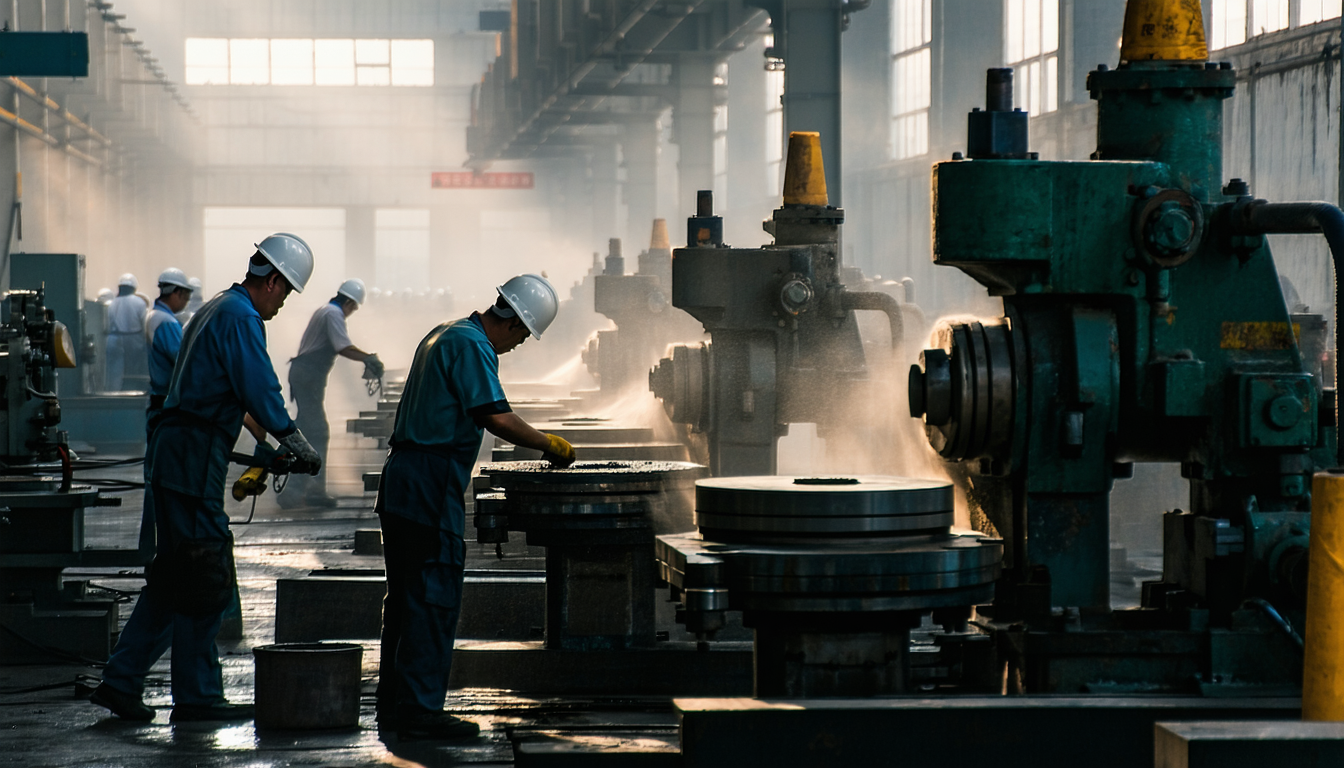
Manufacturing sectors generate combustible dust hazards at vastly different rates. The Chemical Safety Board tracks incident frequency by industry category, revealing clear patterns in both explosion occurrence and fatality rates.
Food processing accounts for 23% of all combustible dust incidents according to CSB data, followed by wood products at 19%. Metal processing operations rank third at 16%, while pharmaceutical and chemical facilities account for 12% each. These statistics drive OSHA’s National Emphasis Program targeting, which focuses inspection resources on the highest-risk sectors.
| Industry Sector | Incident Percentage | Primary Dust Types | NFPA 660 Chapter |
|---|---|---|---|
| Food Processing | 23% | Grain, flour, sugar | Chapter 21 |
| Wood Products | 19% | Sawdust, sanding particles | Chapter 24 |
| Metal Processing | 16% | Aluminum, magnesium powder | Chapter 22 |
| Pharmaceuticals | 12% | Active ingredients, lactose | Chapter 25 |
| Plastics | 8% | Resin powder, additives | Chapter 26 |
Fatality rates per incident vary significantly across sectors. Metal dust explosions produce the highest fatality rate at 0.8 deaths per incident due to aluminum and magnesium’s extreme reactivity. Wood operations follow at 0.6 fatalities per incident, largely due to interconnected equipment that propagates explosions through shared ductwork.
OSHA citation statistics reveal enforcement patterns by industry. Woodworking facilities receive 34% more combustible dust citations than other sectors, reflecting both high incident rates and complex compliance requirements under Chapter 24. Food processing operations face the highest average penalties per citation, averaging $18,500 compared to $12,200 across all industries.
NFPA 660 Chapter 24: Woodworking Industry Requirements

Chapter 24 is NFPA 660’s section governing woodworking combustible dust compliance for facilities processing solid wood, engineered wood products, and wood-based composites. This means furniture manufacturers, cabinet shops, lumber mills, and flooring operations must follow Chapter 24’s specific requirements rather than general industry standards.
Wood dust classification ranges from St-1 to St-2 explosion classes, with most hardwood species producing Kst values between 150-300 bar-m/s. Softwood dusts typically range from 100-250 bar-m/s, while composite materials containing adhesives can reach Kst values above 400 bar-m/s.
Chapter 24 prohibits enclosureless collectors above 40 cubic feet total volume and requires isolation systems when ductwork connects multiple machines. Standard baghouse systems remain acceptable for wood dust provided they include explosion venting sized per NFPA 68 requirements. Wet collection systems are prohibited for wood operations due to fire hazards from wet sawdust accumulation.
Housekeeping thresholds differ between lumber and furniture operations. Lumber facilities must remove visible dust accumulations every 8 hours during production, while furniture operations face 4-hour cleaning intervals due to higher surface area exposure from sanding operations. The 1/32-inch accumulation limit applies to both facility types.
Explosion isolation becomes mandatory when ductwork length exceeds 50 feet or connects more than three machines. Chemical suppression systems must respond within 50 milliseconds for wood dust applications, faster than the 150-millisecond standard for most other materials. This reflects wood dust’s rapid flame propagation characteristics.
Electrical equipment in wood dust areas requires Class II, Division 2 ratings at minimum. Areas with frequent dust accumulation, such as near sanders or planers, require Class II, Division 1 electrical classifications. Grounding and bonding protocols for wood operations focus on belt-driven equipment and pneumatic conveying systems.
Food and Agriculture Chapter 21: Grain, Sugar, and Processing Dust Controls
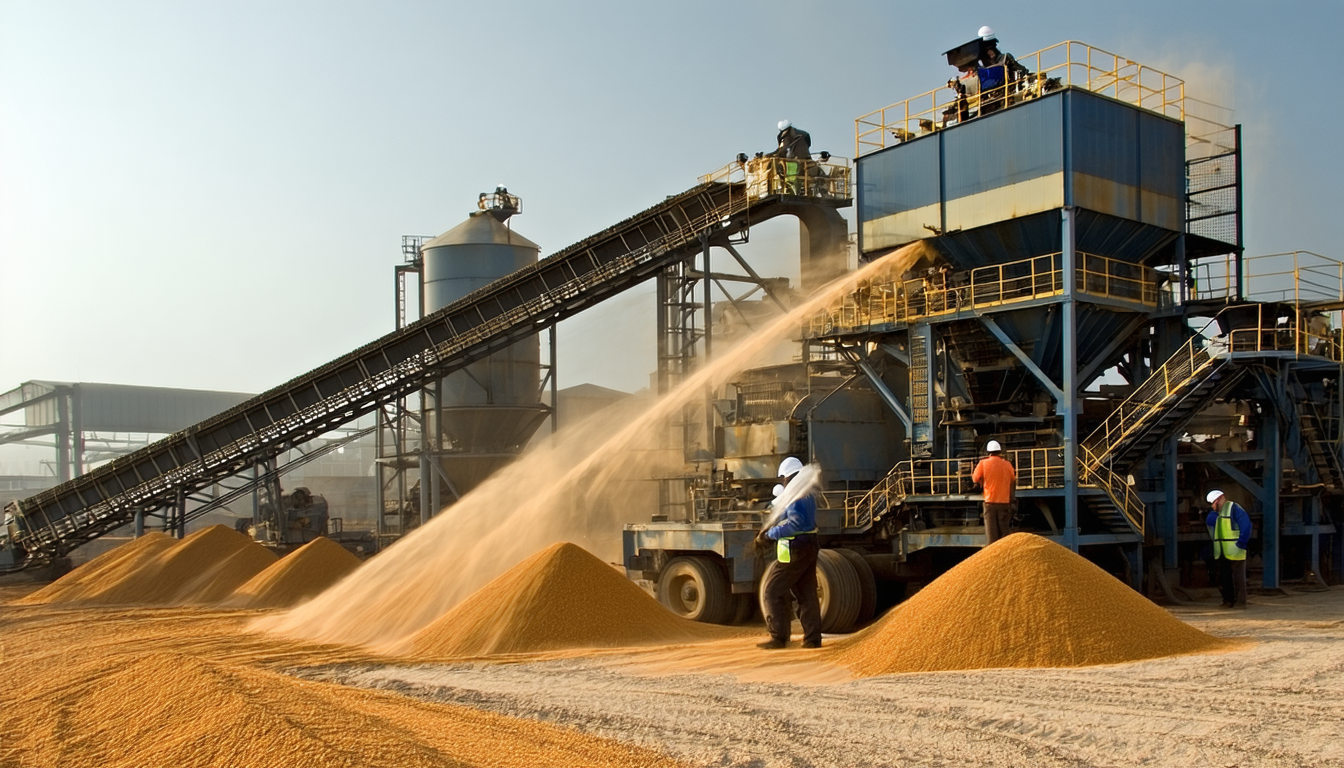
Food processing facilities must follow Chapter 21 requirements when handling agricultural products, grains, and processed food ingredients. This chapter addresses grain elevators, flour mills, sugar processing plants, and food manufacturing operations producing combustible organic dusts.
Grain facilities must install explosion venting on all equipment handling materials with Kst values above 200 bar-m/s, which includes wheat flour, corn starch, and most processed grains. Key requirements include:
Grain elevator bucket systems require explosion venting on every leg and head house, with vent areas calculated using NFPA 68 formulas based on actual grain Kst values rather than default assumptions.
Flour milling operations must install suppression systems on roller mills processing wheat, corn, or rice with moisture content below 14%, as these conditions produce the most explosive dust clouds.
Sugar processing facilities handling granulated sugar, powdered sugar, or raw sugar require wet dust collection systems due to sugar’s tendency to caramelize and create fire hazards in dry collectors.
Food ingredient blending operations producing mixtures with combined Kst values above 300 bar-m/s must use explosion isolation valves in all ductwork connecting different process areas.
Material Kst profiles vary significantly within food processing. Raw grain typically produces Kst values of 100-150 bar-m/s, while processed flour reaches 250-350 bar-m/s. Sugar dusts range from 200-400 bar-m/s depending on particle size and moisture content. Spice processing creates some of the most reactive food dusts, with cinnamon and cocoa powder producing Kst values above 500 bar-m/s.
Vertical compliance requirements for grain facilities include elevator-specific standards beyond Chapter 21. Grain elevators must comply with both NFPA 660 Chapter 21 and additional requirements from local fire marshals, who often impose stricter vent sizing requirements for large storage facilities.
Metalworking Chapter 22: Aluminum, Magnesium, and Metal Powder Hazards
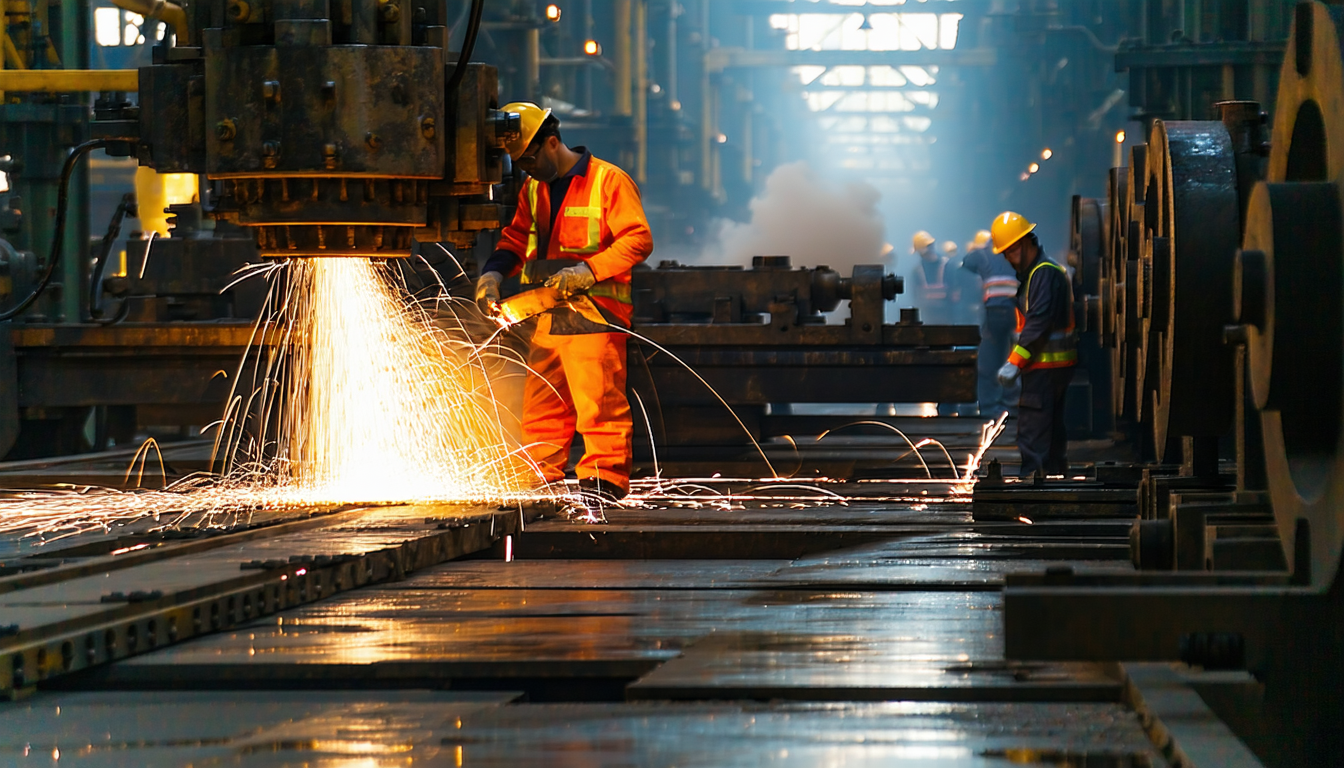
Metalworking Chapter 22 overview governs facilities processing aluminum, magnesium, titanium, and other reactive metal powders or producing metal dusts through grinding, cutting, or finishing operations. This means machine shops, casting facilities, and metal powder processing plants must implement specialized explosion protection systems designed for conductive and reactive dusts.
Aluminum dust has Kst values ranging from 400-500 bar-m/s, requiring suppression systems with response times under 150 milliseconds. Magnesium dust produces even higher Kst values of 500-600 bar-m/s and burns at temperatures exceeding 3,000°F, creating unique challenges for explosion suppression systems.
Metal dust operations require specialized explosion protection systems because standard baghouse collectors cannot handle reactive metal dusts safely. Aluminum and magnesium particles create electrical conductivity issues that cause filter bags to fail and generate static discharge ignition sources. Wet dust collection becomes mandatory for most reactive metal operations.
Electrical bonding protocols specific to conductive dusts require continuous conductivity monitoring throughout the collection system. Metal dust particles create electrical pathways that can short-circuit standard grounding systems, requiring specialized monitoring equipment that detects conductivity changes in real-time.
Dust collection system design for metal operations typically uses wet scrubber technology or vacuum systems with conductive hoses and explosion-proof motors. Dry collection systems are prohibited for aluminum dust concentrations above 0.5 ounces per cubic foot of air, which most grinding and finishing operations exceed during normal production.
Material Kst profiles for metals vary by particle size and oxidation state. Fresh aluminum turnings produce lower Kst values around 300 bar-m/s, while aged aluminum powder with surface oxidation reaches 500+ bar-m/s. Titanium dust consistently produces Kst values above 400 bar-m/s regardless of age or particle size.
General Industry Chapter 25: Pharmaceutical, Chemical, and Mixed Operations

General industry Chapter 25 overview covers facilities not addressed by specific industry chapters, including pharmaceutical powder handling, chemical processing dust controls, and operations mixing multiple dust types. Chapter 25 applies when facilities process materials from multiple industry categories or handle synthetic pharmaceutical powders not covered elsewhere.
Pharmaceutical operations handling active pharmaceutical ingredients (APIs) face unique challenges because many synthetic compounds lack established Kst values. Chapter 25 requires dust hazard analysis for any pharmaceutical powder with unknown combustibility characteristics, forcing companies to conduct go/no-go testing or full laboratory analysis.
Chemical processing facilities often fall under Chapter 25 when handling organic synthesis byproducts, catalyst powders, or intermediate compounds. These materials frequently produce Kst values above 300 bar-m/s, requiring explosion suppression rather than simple venting systems.
Vertical compliance requirements become complex when facilities handle materials from multiple NFPA chapters. A facility processing both wood dust and pharmaceutical powders must comply with both Chapter 24 and Chapter 25 requirements, with the more restrictive standard applying to each specific process area.
Industry-specific chapters take precedence over Chapter 25 when materials clearly fall within another chapter’s scope. However, facilities producing novel materials or using unconventional processes often default to Chapter 25’s general requirements, which tend to be more conservative than industry-specific standards.
Mixed operations require careful process segregation to avoid cross-contamination between different dust types. A facility handling both aluminum powder and organic pharmaceutical ingredients must maintain separate collection systems because aluminum’s conductivity can interfere with pharmaceutical dust testing and create unexpected reaction pathways.
How Equipment Requirements Differ Across Industries
Industry sectors require different dust collection equipment specifications based on material properties, regulatory requirements, and explosion characteristics. Understanding these differences prevents costly equipment selection mistakes and ensures compliance with applicable NFPA 660 chapters.
| Equipment Type | Wood (Ch. 24) | Metal (Ch. 22) | Food (Ch. 21) | General (Ch. 25) |
|---|---|---|---|---|
| Dry Collection | Allowed with venting | Prohibited for reactive metals | Limited by moisture content | Case-by-case evaluation |
| Wet Collection | Prohibited | Required for Al/Mg | Required for sugar processing | Preferred for unknowns |
| Enclosureless Systems | Max 40 cubic feet | Prohibited | Allowed with restrictions | Max 20 cubic feet |
| Isolation Requirements | >50ft ductwork | All interconnected systems | Grain handling only | All multi-process systems |
Wet versus dry collection system mandates vary significantly by industry. Metal processing requires wet collection for reactive dusts like aluminum and magnesium because water prevents dust cloud formation and eliminates static electricity buildup. Wood operations prohibit wet collection due to fire hazards from wet sawdust decomposition and mold growth.
Explosion protection method differences reflect each industry’s unique risk profile. Woodworking facilities can use explosion venting systems because wood dust produces relatively predictable pressure rises. Metal operations require chemical suppression systems because aluminum dust explosions develop too quickly for mechanical venting systems to respond effectively.
Ductwork material restrictions vary by collected material. Food processing operations must use stainless steel ductwork to prevent contamination and meet sanitary requirements. Metal processing facilities require conductive ductwork with continuous grounding to prevent static buildup. Wood operations can use standard galvanized ductwork provided it includes proper grounding connections.
Filtration efficiency requirements change based on regulatory oversight. Pharmaceutical operations under FDA oversight require HEPA filtration (99.97% efficiency) to prevent product contamination. Wood and metal operations typically use standard baghouse filters with 99.5% efficiency unless local air quality regulations impose stricter requirements.
Cross-industry common requirements include explosion isolation for interconnected systems, electrical classification compliance, and housekeeping programs meeting the 1/32-inch accumulation standard. These baseline requirements apply regardless of industry chapter but often include industry-specific implementation details.
Frequently Asked Questions
Can a facility follow multiple NFPA 660 chapters if they process different materials?
Yes, facilities processing materials from multiple industries must comply with the most restrictive requirements from each applicable chapter. For example, a facility handling both wood dust and aluminum powder must follow both Chapter 22 and Chapter 24 requirements. The DHA determines which chapter applies to each process area based on actual materials handled and dust generation characteristics.
Why do woodworking facilities have stricter dust collector requirements than other industries?
Wood dust has unique ignition characteristics and tends to accumulate in hard-to-reach areas like overhead beams and equipment crevices. Chapter 24’s stricter requirements reflect the high frequency of wood dust incidents and the tendency for interconnected woodworking equipment to propagate explosions through shared ductwork systems. Wood operations also generate larger dust volumes per production hour compared to most other industries.
Which industry chapter should plastic manufacturing follow under NFPA 660?
Plastic manufacturing typically follows Chapter 26 for plastics processing operations involving thermoplastic resins, additives, and finished product grinding. However, facilities producing plastic powders through chemical synthesis or handling specialized thermoplastic compounds may need to comply with Chapter 25 general industry requirements. The specific materials processed and their combustibility characteristics determine which chapter applies to each operation area.
This article provides general guidance on NFPA 660 industry requirements. Consult a qualified dust hazard analysis professional for compliance advice specific to your facility’s materials and processes.